
The transition from late summer to the first crisp weeks of autumn triggers a predictable, reactive panic at the beauty counter.
As indoor heating systems hum to life and outdoor humidity plummets, the stratum corneum begins to shed water at an accelerated rate. Skin feels tighter, looks duller, and reacts with sudden sensitivity to formulas that behaved impeccably in July. The conventional consumer response is additive: layering rich balms over potent exfoliants, introducing unvetted botanical oils, and doubling down on multi-step regimens to force a synthetic glow.
In clinical dermatology, this additive instinct is viewed as the fastest path to barrier failure.
When environmental humidity drops, the skin’s lipid matrix becomes brittle. Assaulting a mechanically stressed barrier with an eight-step cocktail of acids, peptides, and botanical extracts causes micro-inflammation, perioral irritation, and reactive breakouts. True skin health during cold-weather transitions demands editorial subtraction.
Stripping your routine down to three clinically validated actives provides the biological support needed to weather the seasonal drop without overwhelming the epidermis.
Active 1: Azelaic Acid (The Inflammatory Circuit Breaker)
When temperatures fall, cutaneous blood vessels undergo continuous, rapid cycles of vasoconstriction in the cold air followed by sudden vasodilation indoors. This vascular friction triggers facial redness, reactive flushing, and inflammatory flare-ups across sensitive tissue.
While beauty marketing reflexively pushes harsh alphahydroxy acids to combat cold-weather flaking, clinical practitioners turn to azelaic acid.
A dicarboxylic acid naturally derived from grains, azelaic acid functions as a multi-pathway anti-inflammatory agent:
Downregulating Erythema: It actively suppresses the release of pro-inflammatory cytokines and calms the vascular reactivity responsible for seasonal flushing, making it exceptionally tolerable for skin prone to rosacea or winter redness.
Gentle Keratolytic Action: Unlike aggressive glycolic or salicylic acids that dissolve the intercellular cement of already dry tissue, azelaic acid normalizes keratinization within the follicle. It clears dead cellular debris and prevents congestion without stripping moisture from the lipid barrier.
Pigment Correction: It selectively targets hyperactive melanocytes, lifting post-inflammatory marks left behind by summer sun exposure without sensitizing the skin to cold environmental friction.
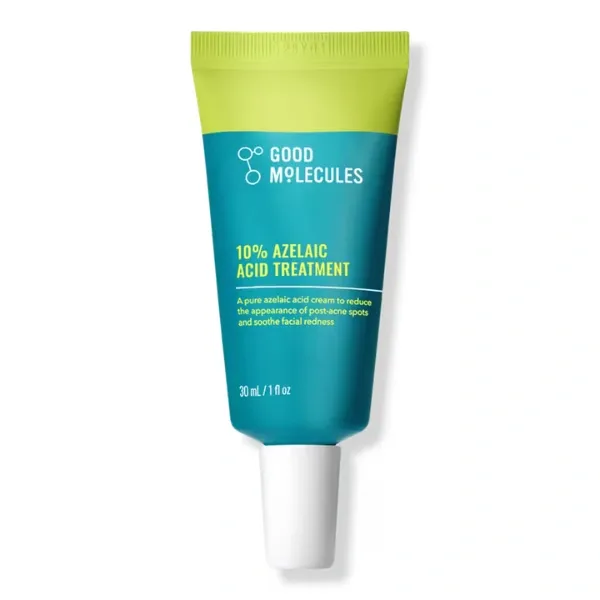
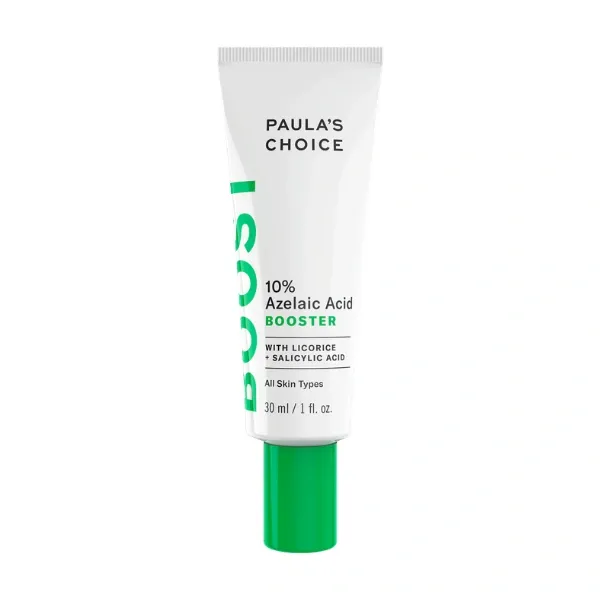
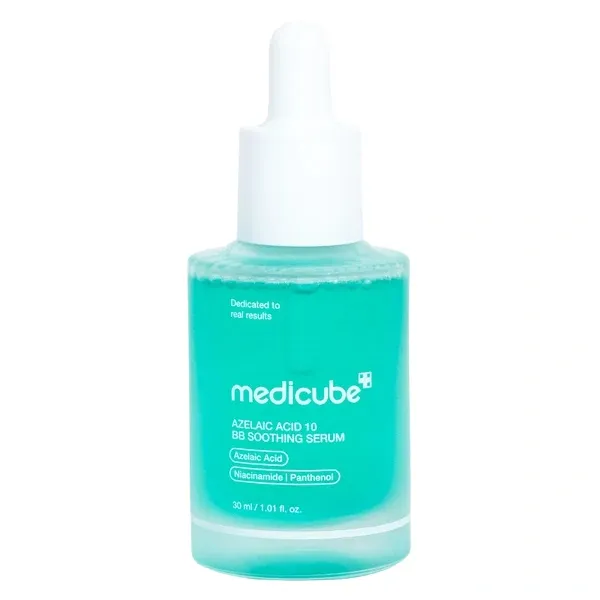
Deploy a 10% formulation in the morning after cleansing, allowing its anti-redness and mild exfoliating properties to even out the tone without causing irritation.
Our Editors’ Favorites
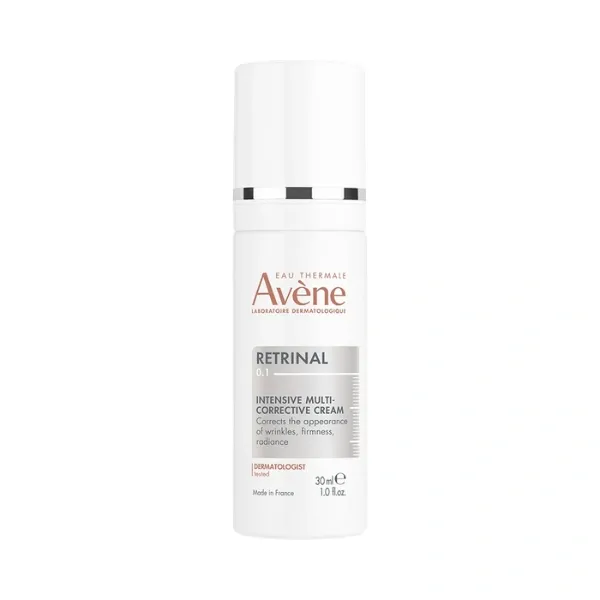
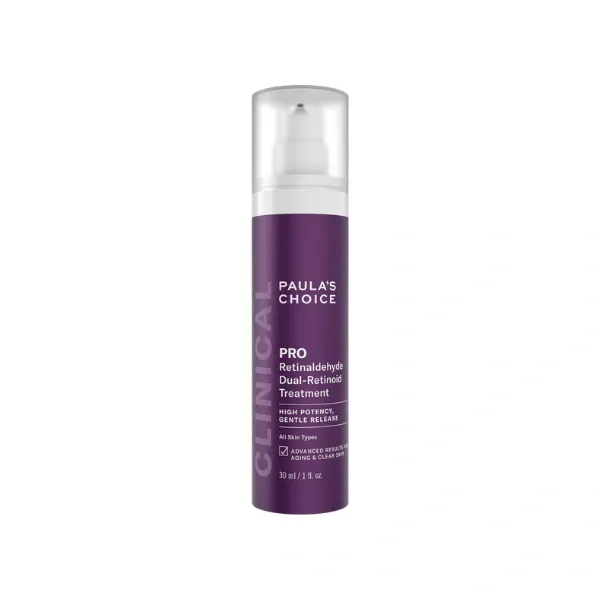
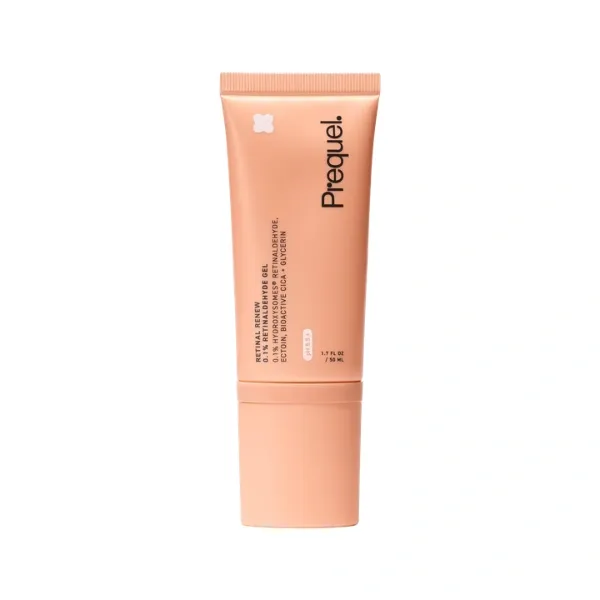
Active 2: Stabilized Retinaldehyde (The Cellular Engine)
The temptation to abandon retinoids entirely during the winter is a standard tactical error. Cold weather slows cellular turnover, leading to a buildup of dull, devitalized cells on the skin surface. Pausing retinoids merely stalls collagen synthesis and allows texture to accumulate.
The secret lies in upgrading the molecule.
Standard retinol requires two metabolic conversions on a cellular level to become active retinoic acid, generating significant irritation and trans-epidermal water loss in the process. Retinaldehyde (retinal) requires only a single conversion step. It works up to eleven times faster than traditional retinol while demonstrating a substantially milder irritation profile on reactive skin.
Furthermore, retinaldehyde exhibits natural antibacterial properties, clearing congested pores while stimulating dense fibroblast activity deep within the dermis.
To maintain skin density without triggering the dreaded winter peel:
Buffer the active by applying a thin layer of a hydrating serum first.
Restrict application to alternate evenings.
Always prioritize micro-encapsulated formulations that release the active slowly through the night, keeping cellular regeneration high and surface inflammation zero.
Our Editors’ Favorites
Active 3: Physiological Lipids: The 3:1:1 Barrier Matrix
Hydration without barrier retention is pure evaporation. In dry winter air, applying water-binding humectants like hyaluronic acid without adequate lipid occlusion can pull moisture out of the deeper dermis into the dry atmosphere, accelerating dehydration.
Cold weather demands a biological replacement of the stratum corneum's natural mortar: a precise, physiological lipid ratio of ceramides, cholesterol, and free fatty acids.
The skin barrier functions optimally when lipid replacement mimics its natural architecture: roughly three parts ceramides to one part physiological cholesterol and one part free fatty acids.
Ceramides (Specifically NP, AP, and EOP): Act as the structural backbone, locking adjacent corneocytes together to stop trans-epidermal water loss.
Cholesterol: Enhances barrier elasticity and accelerates membrane recovery after exposure to harsh winds.
Fatty Acids: Provide fluidity and maintain the skin's slightly acidic antimicrobial mantle.
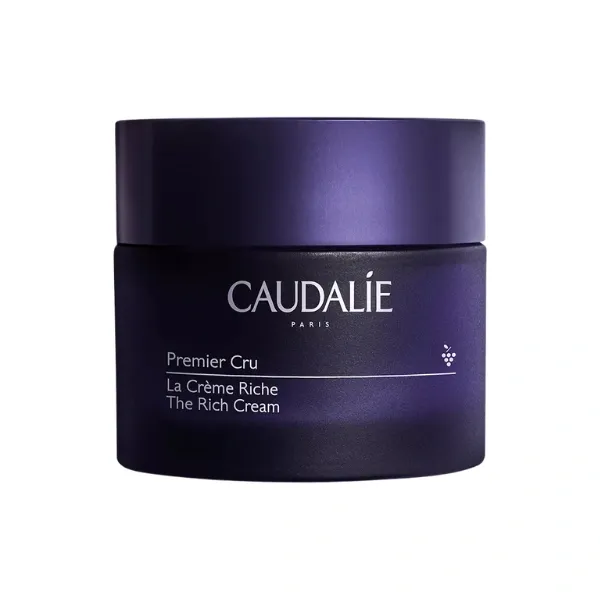
Applying a barrier repair cream engineered around this specific physiological lipid ratio seals in your nighttime retinal, protects the delicate work of your morning azelaic acid, and builds an impermeable shield against drying central heating.
Our Editors’ Favorites
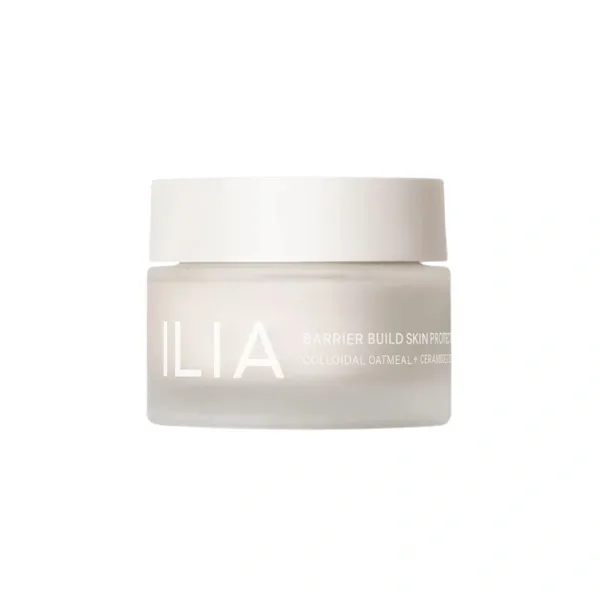
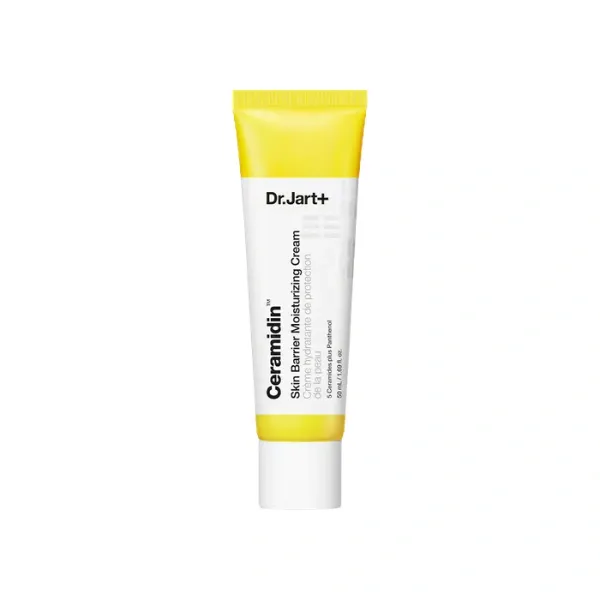
The Cold-Weather Basics: Streamlined Discipline
Maintaining immaculate skin through winter is not an exercise in indulgence; it is a discipline of restraint.
Discard the heavy scrubs, park the ten-minute acid peels, and stop confusing a tingling sensation with efficacy. By anchoring your seasonal transition in three focused, non-competing actives—azelaic acid for calm, retinal for renewal, and bio-identical lipids for defense—you grant your skin the biological stillness required to remain resilient, clear, and calm all season long.