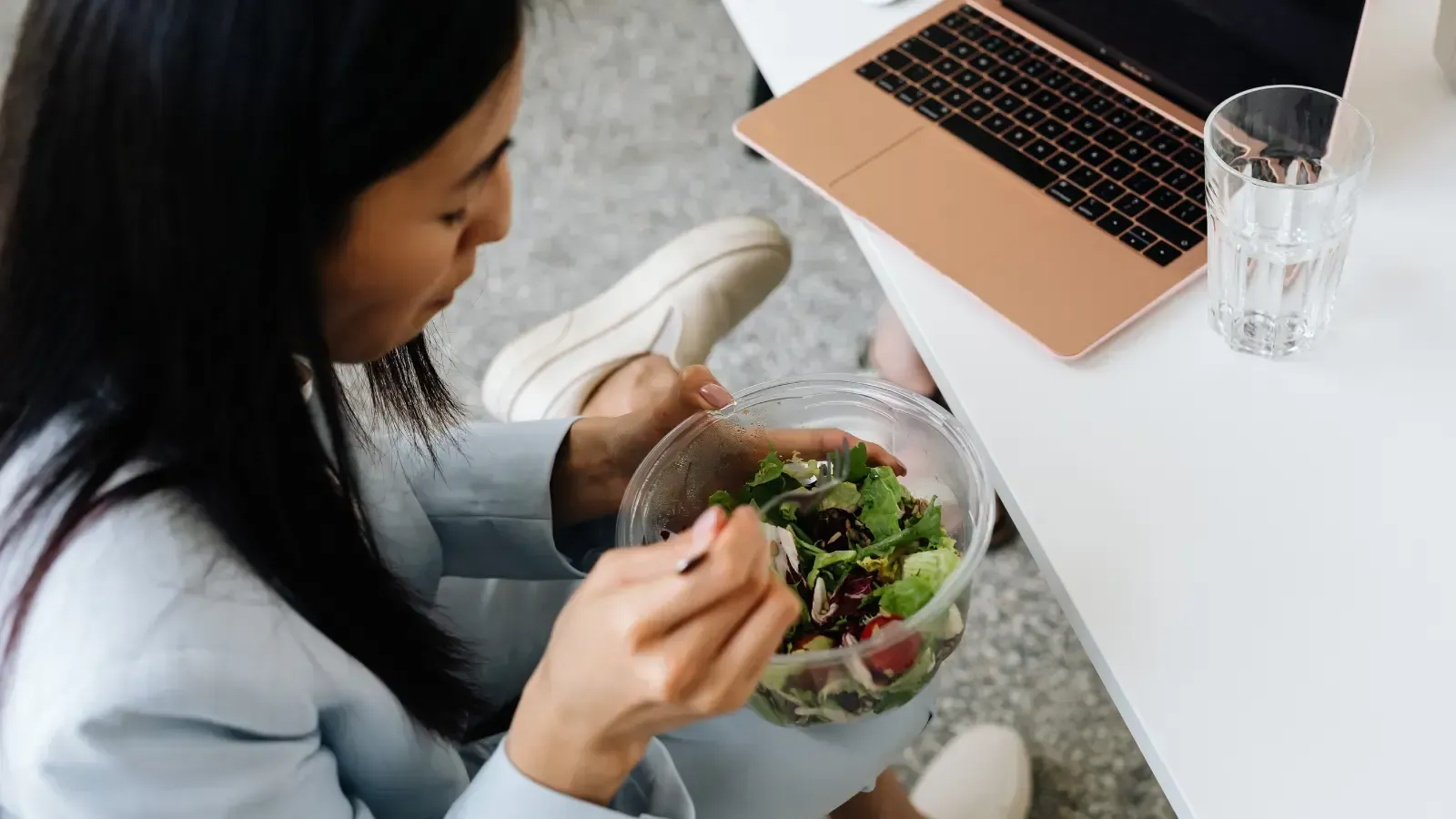
You skip breakfast because you're running late. Lunch is whatever you can grab between meetings—probably a sad desk salad or leftover pizza from the team lunch. By dinner, you're too exhausted to cook, so it's takeout again. And somewhere in there, you promise yourself that next week will be different.
Here's the truth: healthy eating when you're juggling a full-time job, personal life, and everything else that comes with being a modern working woman isn't about perfection. It's not about meal prepping 20 containers on Sunday or eating kale for every meal. It's about creating sustainable strategies that work with your actual life, not against it.
According to a study by the American Journal of Preventive Medicine, 73% of working professionals cite "lack of time" as their primary barrier to healthy eating. But here's what the research also shows: women who implement even 2-3 strategic eating habits report significantly higher energy levels, better focus at work, and improved overall wellness—without spending hours in the kitchen.
Let's break down how to actually eat healthy when your schedule is packed, your energy is low, and cooking elaborate meals feels impossible.
Why Traditional Healthy Eating Advice Doesn't Work for Busy Women
Before we examine the solutions, let's acknowledge why most nutrition advice fails working women: it's designed for people with unlimited time and mental bandwidth.
"Meal prep everything on Sunday!" assumes you have a free Sunday, energy after your week, and that you'll still want to eat the same thing by Thursday. "Pack your lunch every day!" ignores that some days you have back-to-back meetings and barely time to microwave something. "Plan your meals for the week!" sounds great until Tuesday derails your entire plan and you need to improvise.
The real challenge isn't knowledge—it's execution under constraints. You know vegetables are healthy. You know you should eat breakfast. You know takeout every night isn't ideal. The issue is building systems that work when you're tired, stressed, and short on time.
Research from Cornell University's Food and Brand Lab found that the average person makes over 200 food decisions daily. When you're mentally exhausted from work, your brain defaults to the easiest option—which is rarely the healthiest. The solution? Reduce decision fatigue by creating default habits that require minimal thought.
Start With Strategic Grocery Shopping (Not Meal Prep)
That means that you need a well-stocked kitchen with quick-assembly ingredients that work together in multiple combinations.

The Working Woman's Essential Grocery List:
Proteins (Ready-to-Eat or 5-Minute Prep):
- Rotisserie chicken (game-changer for quick dinners)
- Pre-cooked grilled chicken strips
- Canned beans (black beans, chickpeas, white beans)
- Greek yogurt (breakfast and snacks)
- Hard-boiled eggs (buy pre-made or batch cook 6-8 on Sunday)
- Canned tuna or salmon
- Pre-marinated tofu
Quick Carbs:
- Microwaveable rice packets (90 seconds!)
- Pre-cooked quinoa packets
- Whole-grain bread or wraps
- Sweet potatoes (microwave for 5-7 minutes)
- Pasta (10-minute cook time)
Grab-and-Go Vegetables:
- Pre-washed salad greens
- Baby carrots and hummus
- Cherry tomatoes
- Pre-cut vegetables (yes, they cost more—they're worth it)
- Frozen vegetable medleys (actually more nutritious than "fresh" that sits for days)
- Frozen cauliflower rice
Healthy Fats & Flavor:
- Avocados (or pre-made guacamole)
- Olive oil spray
- Nuts and seeds
- Pre-shredded cheese
- Salad dressings you actually like
With these ingredients, you can create dozens of different meals in under 15 minutes without following a recipe. Grain bowl? Check. Salad with protein? Done. Wrap? Easy. The key is flexibility over rigidity.
Master the 5 Quick Assembly Meals
These aren't recipes—they're formulas you can customize based on what you have. Each takes 10-15 minutes max.
1. The Grain Bowl Formula
Base + Protein + Vegetables + Sauce = Dinner
Example: Microwaved rice + rotisserie chicken + frozen broccoli (steamed) + teriyaki sauce = Asian-inspired bowl
Another: Quinoa + chickpeas + cherry tomatoes + cucumber + tahini = Mediterranean bowl
2. The Loaded Salad Formula
Greens + Protein + Crunch + Fat + Dressing = Meal
Example: Spring mix + canned tuna + almonds + avocado + balsamic = Satisfying salad that won't leave you hungry in an hour
The trick: Add substantial proteins and healthy fats so your salad is actually filling.
3. The Wrap/Sandwich Formula
Wrap/Bread + Spread + Protein + Vegetables = Portable Meal
Example: Whole wheat tortilla + hummus + rotisserie chicken + pre-shredded carrots + spinach = Lunch you can eat at your desk
4. The Scramble Formula
Eggs + Vegetables + Cheese = Breakfast-for-Dinner
Example: Scrambled eggs + frozen spinach + feta + toast = 8-minute dinner
Eggs aren't just for breakfast. They're one of the fastest proteins you can cook.
5. The Sheet Pan Formula
Protein + Vegetables + Oil + Seasoning = Hands-Off Meal
Example: Chicken breasts + broccoli + olive oil + garlic powder = 25 minutes in the oven while you change clothes and decompress
This is your Sunday-evening go-to when you need something easy to start the week.
Workplace Eating Strategies That Actually Work
Keep an "Emergency Stash" at Your Desk
You will have days when you forget lunch or don't have time to grab food. Instead of vending machine chips or expensive takeout, keep these in your desk:
- Individual nut butter packets + fruit
- Protein bars (find ones that taste good—you'll actually eat them)
- Instant oatmeal cups
- Trail mix
- Canned soup
- Crackers and cheese
- Dried fruit
A 2024 workplace wellness study found that employees who kept healthy snacks at their desks were 40% more likely to make healthier food choices overall. Having good options available removes the decision fatigue when you're hungry and stressed.
The 10-Minute Morning System
Mornings are chaotic. Don't try to cook breakfast from scratch. Instead:
Option 1: Overnight Oats (prepare the night before in 2 minutes)
- Greek yogurt + oats + chia seeds + fruit + honey in a jar
- Grab from fridge in the morning
Option 2: The Smoothie Bag Hack
- Freeze pre-portioned bags of fruit + spinach
- Morning: dump bag in blender + liquid + protein powder
- 3 minutes total
Option 3: The Egg Sandwich
- Microwave a scrambled egg (1 minute in a mug)
- Add to whole wheat English muffin with cheese
- 4 minutes total
Option 4: The "I Can't" Breakfast For days when even 5 minutes feels like too much: Greek yogurt + granola + banana. That's it. Still better than nothing.
Read also: Busy Mornings? 20 Healthy Breakfast Ideas If You Don’t Have Time
Strategic Takeout and Eating Out
Let's be real—you're going to order takeout sometimes. That's not failure; that's life. The goal is making better choices when you do.
How to Order Smarter:
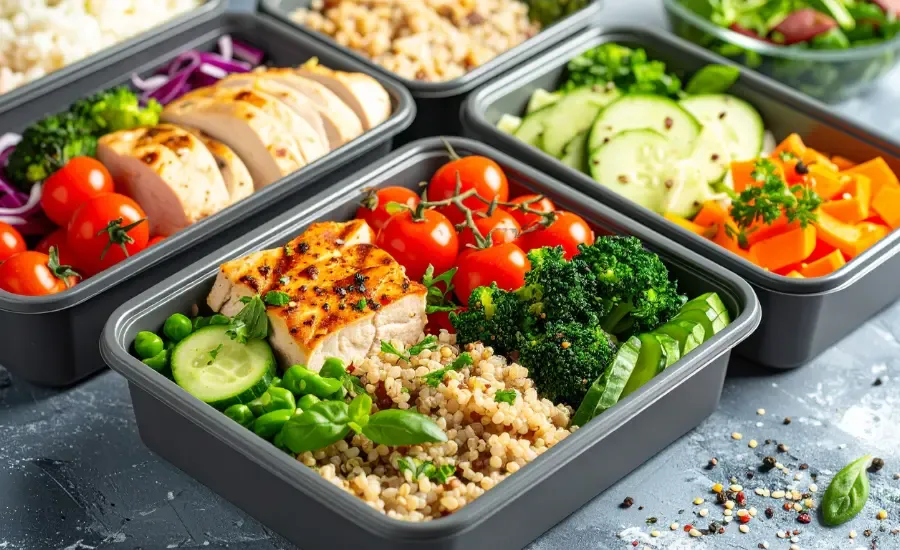
At Restaurants:
- Start with a vegetable-based appetizer or salad (you'll naturally eat less of the heavy stuff)
- Ask for dressings and sauces on the side
- Swap fries for a vegetable side
- Take half home immediately—restaurant portions are massive
Takeout Ordering:
- Chinese: Choose steamed dumplings, stir-fries with extra vegetables, brown rice
- Mexican: Burrito bowls with extra vegetables, beans, skip the sour cream/cheese or use sparingly
- Pizza: Add a salad, eat that first, stick to 2-3 slices instead of half the pie
- Sandwiches: Whole grain bread, load up vegetables, skip mayo
The 80/20 Rule in Action: If you eat healthy, satisfying meals 80% of the time, the other 20% (Friday night pizza, Sunday brunch, work happy hour) doesn't derail your progress. This is sustainable. Perfection is not.
The Truth About Snacking at Work
Snacking isn't bad—mindless snacking is. The difference? Intentionality.
Smart Snacking Strategy:
- Keep snacks that require some effort (nuts you have to shell, fruit you have to wash, cheese and crackers you have to assemble)
- This built-in pause helps you eat mindfully rather than demolishing a family-size bag of chips during a stressful afternoon
- Pair carbs with protein/fat (apple + almond butter, not just apple)
- Schedule snacks rather than constantly grazing
Strategic snacking between meals can stabilize blood sugar, prevent energy crashes, and reduce overeating at main meals—if the snacks are balanced.
Hydration: The Most Overlooked Energy Booster
Before you reach for another coffee at 3 pm, ask: have you had any water today?
Mild dehydration (losing just 1-2% of body water) impairs concentration, increases fatigue, and worsens mood. A study in the Journal of Nutrition found that even slight dehydration decreased work performance by up to 12%.
The System:
- Keep a water bottle at your desk (you'll drink more if it's visible)
- Set hourly phone reminders until it becomes habit
- Flavor with lemon, cucumber, or fruit if plain water bores you
- Coffee and tea count partially, but don't substitute entirely
- Aim for half your body weight in ounces (150 lbs = 75 oz water daily)
What About Supplements?
Here's the honest answer: most people don't need dozens of supplements if they're eating a reasonably varied diet. But if you're consistently too busy to eat perfectly, a few strategic supplements can help:
Consider These (After Talking to Your Doctor):
- Multivitamin: Insurance policy for nutritional gaps
- Vitamin D: Most people are deficient, especially if you're in an office all day
- Omega-3s: If you don't eat fatty fish regularly
- Probiotic: For gut health and digestion
Skip the hype: Trendy supplements, detox teas, fat burners, and "metabolism boosters" are mostly marketing. Focus on actual food first.
The Mental Game: Letting Go of Food Guilt
This might be the most important section of this entire article.
If you eat takeout three nights this week because work was insane, you're not "bad." You're not "off track." You're a human with a demanding life who made practical decisions with limited time and energy.
Diet culture wants you to feel guilty because guilt sells more plans, more products, more "solutions." But guilt doesn't make you healthier—it makes you stressed, which actually impacts your health negatively.
Reframe your thinking:
❌ "I was so bad today, I had a burger"
✅ "I had a busy day and needed quick fuel. Tomorrow I'll add more vegetables."
❌ "I have no willpower"
✅ "My environment wasn't set up for success. What can I prepare this weekend?"
❌ "I need to be perfect"
✅ "I'm making incremental improvements that I can sustain."
Research in health psychology consistently shows that self-compassion—not self-criticism—predicts long-term behavior change. Be as kind to yourself as you'd be to a friend.
When to Actually Meal Prep (And How to Do It Minimally)
If you want to and have the time, minimal meal prep can make your week significantly easier.
The 1-Hour Sunday System:
Pick ONE of these to prep:
- Wash and chop vegetables for the week (store in containers with paper towels to absorb moisture)
- Cook a batch of protein (grill 4-6 chicken breasts, bake salmon, cook ground turkey)
- Make a big pot of quinoa or rice
- Prep overnight oats in jars for 5 mornings
- Wash fruit and portion into snack containers
That's it. You don't need to cook 20 full meals. Prep components that you can mix and match during the week.
The Bottom Line: Progress, Not Perfection
Eating healthy when you're busy isn't about having it all figured out. It's about having a few solid strategies that reduce friction between you and make better choices.
Start with one change this week. Just one. Maybe it's keeping Greek yogurt and fruit at work for breakfast. Maybe it's buying pre-cut vegetables so you'll actually eat them. Maybe it's keeping your kitchen stocked with quick-assembly ingredients.
Next week, add another small change. And another the week after that. In three months, you'll have built a completely different relationship with food—not through willpower or restriction, but through systems that actually work with your life.
You don't need to be perfect. You just need to be a little bit more prepared than you were last week. That's how sustainable change happens.
Frequently Asked Questions About Healthy Eating for Busy Women
How can I eat healthy when I have no time to cook?
Eating healthy without cooking time is absolutely possible through strategic grocery shopping and quick-assembly meals. Focus on ready-to-eat proteins like rotisserie chicken, canned beans, and Greek yogurt, combined with pre-washed vegetables and microwaveable grains. Most healthy meals can be assembled in under 10 minutes using the grain bowl, loaded salad, or wrap formulas. The key is having the right ingredients available so you're not starting from scratch each time. Think of it as meal assembly rather than meal cooking.
What are the best healthy snacks to keep at my desk?
The best desk snacks combine protein or healthy fats with carbohydrates to keep you satisfied between meals. Keep individual nut butter packets with fruit, protein bars you actually enjoy eating, trail mix, crackers with cheese, dried fruit, or instant oatmeal cups. The key is choosing snacks that require some minimal effort to prevent mindless eating. Research shows that employees who keep healthy snacks at their desks make 40% better food choices overall because they have good options when hunger strikes.
Is meal prep necessary for eating healthy?
No, traditional meal prep is not necessary for healthy eating. Many busy women find success with "minimal meal prep" instead—preparing components rather than full meals. Spend one hour on Sunday washing and chopping vegetables, cooking a batch of protein, or making overnight oats for the week. These components can be mixed and matched into different meals, providing variety without the monotony of eating identical meals all week. A well-stocked kitchen with quick-assembly ingredients often works better than strict meal prep.
How can I eat healthy when eating out or ordering takeout?
Eating healthy while ordering takeout is possible with strategic choices. Start with vegetable-based items, choose dishes with visible vegetables, ask for sauces on the side, and consider taking half your meal home immediately since restaurant portions are typically large. Apply the 80/20 rule: if you eat healthy, satisfying meals 80% of the time, the other 20% won't derail your progress. Choose steamed over fried, add extra vegetables when possible, and pair indulgent items with salads or vegetable sides.
What should I do if I'm too tired to cook after work?
When you're too exhausted to cook, rely on your emergency strategies. Keep an arsenal of 5-10 minute meals: scrambled eggs with toast, canned soup with crackers and cheese, a grain bowl using microwaveable rice and rotisserie chicken, or a loaded salad using pre-washed greens and canned protein. Having these ultra-simple options prevents defaulting to unhealthy choices when your energy is depleted. Some nights, a nutritious breakfast-for-dinner or strategic takeout is the right choice—and that's perfectly okay.