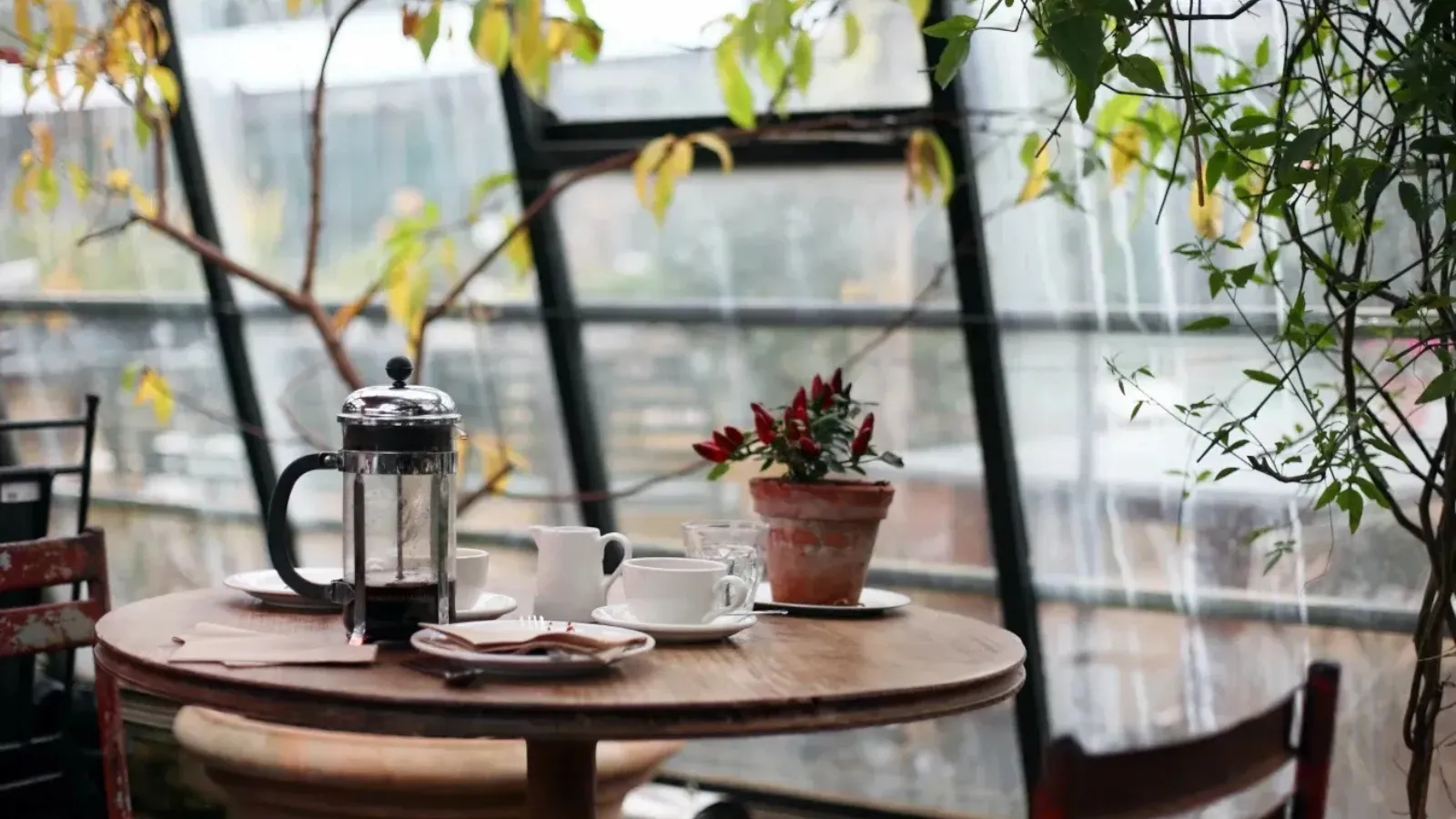
Every Sunday around five in the afternoon, most of us have the exact same feeling: the stomach tightens, an ambient irritability settles into the room, and whatever mental ease we built over the weekend dissolves into low-grade dread.
You will find this online as the Sunday scaries. Search engines process millions of queries asking for the definition of the Sunday scaries, why people experience anxiety on Sunday evenings, and which herbal teas, weighted blankets, or guided meditation apps can soothe tension before bedtime. An entire economy around this collective panic has been built by the wellness industry, packaging subscription relief boxes and lavender pillow mists as clinical interventions for an exhausted workforce.
As someone who studies behavior and works within the exact same unforgiving deadlines, we need to call this what it is: treating this feeling as an individual wellness deficit is completely dishonest.
The Sunday scaries are not a personal neurosis, nor are they proof that we need another breathing routine. They are an intuitive physiological revolt. Sunday evening anxiety is the predictable biological consequence of knowing that tomorrow morning, our time, focus, and energy will once again be treated as public property. We do not dread our competence or the work itself. We dread the impending loss of our personal sovereignty.
We often assume this anxiety comes down to volume: the unread emails, an upcoming presentation, or a heavy project backlog. If volume were the real problem, spending two hours on Sunday afternoon clearing tasks would solve the issue. Instead, opening our laptops on Sunday only deepens the dread.
The real breakdown happens because of the micro-leaks.
Over the past few years, the line separating professional duty from our private sanctuary has been systematically eroded. The invasion rarely happens with grand announcements; it happens in small, unexamined habits. It is the reflexive urge to check Teams while making Sunday morning coffee. It is the client message that arrives during dinner, which we read under the table. It is the imaginary Monday debate running on a loop in our heads while we try to relax.
Every time we allow a work notification to cross the weekend perimeter, we give away our recovery time for free. Our brains register the cue immediately: we are never off the clock, and we are never safe from interruption. The nervous system stays locked in low-level hypervigilance, anticipating the next ping. By Sunday evening, we are not struggling with the transition to Monday; we are realizing that we never actually rested.
This is why generic internet advice on how to stop Sunday scaries fails so miserably. No meditation app and no cup of chamomile tea will fix a structural boundary failure. You cannot deep-breathe your way out of a schedule that begins on Monday morning with three consecutive hours of performative status calls.
The solution to Sunday scaries is not therapeutic; it is operational. It requires drawing clear, unapologetic lines and defending them consistently.
First, we cut digital access cold on the weekend. Corporate communication apps need to be deleted from personal devices or locked behind strict automation timers that shut down by Friday evening. When Monday’s concerns try to break into Sunday afternoon, we should have zero technical means to check on them. Detachment is not neglect; it is the only leverage we have to protect our cognitive stamina.
Second, we restructure Monday morning. Anticipatory anxiety explodes when we know we will wake up to instant reactivity and urgent demands. A protected schedule allows no morning meetings. The first two to three hours of the week must belong exclusively to us, our focus, and the priorities we determine in quiet. When we know Monday starts with silence, espresso, and focused work rather than an urgent scramble to prove we are online, the Sunday dread loses its grip.
We do not need to perform forced enthusiasm on Monday morning or paste motivational quotes over our screens. Professional excellence does not depend on performative optimism; it rests on clear boundaries, self-respect, and solid systems.
Let us stop buying products meant to soothe our evening panic. That tightness in the chest is accurate data from the nervous system signaling that our perimeter was breached. Close the screens, reclaim the hours, and let Sunday be what it was always intended to be: entirely our own.