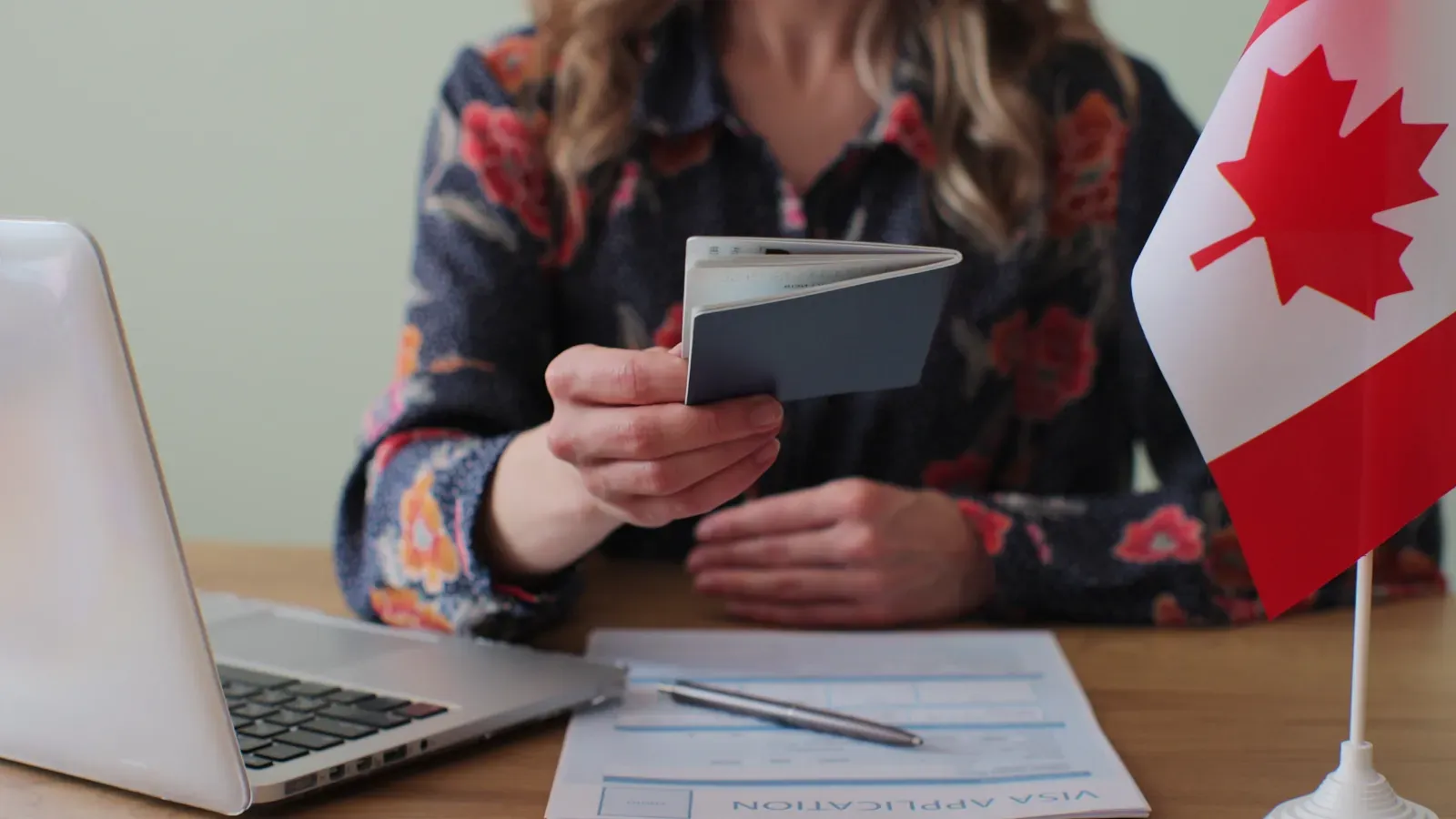
Immigration is not an issue of our time. Since almost the beginning of humanity, people have been forced to relocate, mainly for economic reasons. But it is interesting to look at the lives of immigrant women, given that women for many years have been encountering profound problems in the workplace, not to mention that only in recent decades have they managed to acquire labor rights.
Unfortunately, surveys do not show us positive data on the working lives of immigrant women. Immigrant women established themselves as a workforce in factories as early as the 17th century in the United States of America. Nowadays, research shows immigrant women outnumber immigrants to the U.S. According to a study by the Migration Policy Institute, about 51 percent of all U.S. immigrants in 2022 were female, compared to 50 percent of the native born. Nevertheless, women immigrants still face severe problems, even in finding a job.
Let us not forget that many of these women come from countries in poverty or war. Thus, apart from their living conditions, some were forced to leave their country before completing their studies. This means that their credentials are not recognized in numerous countries, and consequently, their skills are degraded, and they are banned from being selected for higher-paying and high-status job positions. They, therefore, struggle to be recognized in order to have a healthy working life.
At the same time, the fact that they do not have sufficient knowledge of foreign languages, especially English, in combination with their lack of work experience – which is so important– makes them inadequate for many employers and reduces their options.
Nevertheless, they try to support themselves and their family in every way. According to surveys, in the U.S., immigrant women are active in the labor force at a higher rate than Native women, and an equally large proportion is observed in other parts of the world.
In many countries, their working conditions are anything but dignified. Due to the "shortages" they have and their need for work, many employers take advantage of their situation and their gender, which is considered by many to be weak. Thus, illegal work for uninsured immigrant women is common, along with the fundamental benefits to which an employee is entitled. Unfortunately, harassment, violence, abuse, and even trafficking are dangers that immigrant women are exposed to at a high level.
Unsurprisingly, the gender pay gap is clearly visible, given the fact that immigrant women are paid less than immigrant men despite their hard work and education.
Racism and stereotypes are part of the problems faced by immigrant women and girls. We've all heard people derisively refer to their ethnicity, as if the country you grew up in is offensive. Many employers and employees treat immigrant women, and immigrants, of course, in a degrading way, with the result that they cannot integrate smoothly into the host country. Social isolation is one of the consequences they experience.
In order to combat immigrant women's exploitation and unemployment, many European organizations are fighting for their rights, however, the road is long and bumpy until they manage to be considered as equals and their rights are guaranteed.