

It’s late again, you're exhausted, your body is begging for sleep, and the moment your head hits the pillow, your brain decides now is the perfect time to replay that awkward thing you said in a meeting three years ago. Then it helpfully reminds you of seventeen other moments you'd rather forget. Sound familiar?
If you've ever found yourself stuck in an endless loop of "what ifs" and "should haves," you're definitely not alone. Research suggests that over 70% of young adults struggle with chronic overthinking, and women are particularly susceptible to this mental spiral. The constant analysis, the second-guessing, the replaying of scenarios—it's exhausting, and it rarely leads to the clarity we're hoping for.
The good news? Understanding why you overthink is the first step to breaking free from it. We’ll explore the signs that you might be an overthinker, unpack why your brain loves to go into overdrive (especially at night), and share seven evidence-based strategies that can actually help you find some peace. Because you deserve a mind that works with you, not against you.
What Is Overthinking, Really?
Before solving our constant and too many thoughts, it's helpful to understand what overthinking actually is—because it's not the same as thoughtful reflection or careful planning.
Overthinking, also called rumination in psychological terms, is when your brain gets trapped in a loop of excessive analysis. It goes beyond normal contemplation. Instead of thinking through a problem to find a solution, you're spinning your wheels—replaying the same thoughts, dissecting every detail, and often making yourself feel worse in the process.
Think of it this way: problem-solving moves you forward, while overthinking keeps you stuck in place. Normal thinking asks, "What can I do about this?" Overthinking asks, "Why did this happen? What does it mean? What if it happens again? What if everything falls apart?" It's the mental equivalent of running on a treadmill—a lot of effort, but you never actually get anywhere.
7 Signs You're an Overthinker
Not sure if what you're experiencing qualifies as overthinking? Here are some telltale signs that your brain might be working a little too hard:
1. You Struggle to Make Simple Decisions
When even choosing what to order for lunch feels overwhelming, that's a sign. Overthinkers tend to analyze every option to the point of paralysis, worried they'll make the "wrong" choice—even when the stakes are incredibly low.
2. You Can't Let Go of Past Mistakes
You replay conversations from weeks, months, or even years ago, wondering what you could have said differently. That email you sent last Tuesday? Still thinking about whether it came across wrong.
3. Sleep Feels Impossible
A busy mind has trouble shutting off, especially at night. If you find yourself lying awake while your brain runs through tomorrow's problems (and next year's, and hypothetical problems that might never happen), overthinking is likely the culprit.
4. You Second-Guess Yourself Constantly
After making a decision, you immediately start questioning it. Should you have chosen differently? What did other people think? This constant self-doubt can be exhausting and erode your confidence over time.
5. You Imagine Worst-Case Scenarios
Your brain loves to catastrophize, jumping from "I haven't heard back about my email" to "They hate me, and I'm definitely getting fired" in about three seconds flat. This kind of future-focused anxiety is classic overthinking behavior.
6. You Seek Constant Reassurance
Do you frequently ask friends or family to validate your choices? Overthinkers often need external confirmation because their own internal dialogue is filled with so much doubt.
7. You Feel Mentally Exhausted
All that mental processing takes a toll. If you regularly feel drained even without doing anything physically demanding, your overactive mind might be using up all your energy.
Why Does Overthinking Get Worse at Night?
If you've noticed that your overthinking reaches peak intensity right when you're trying to fall asleep, you're not imagining it. There's actual neuroscience behind why nighttime becomes prime time for rumination.
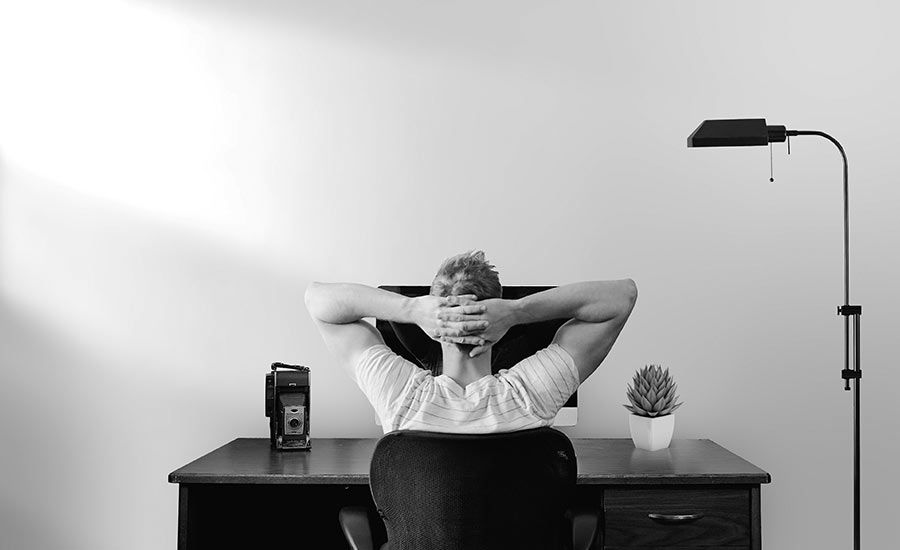
During the day, your brain is occupied with tasks, conversations, and endless external stimuli. But when those distractions fade away at night, your mind suddenly has space—and it often fills that space with unfinished business, worries, and the thoughts you've been pushing aside all day.
Additionally, your brain's default mode network (DMN) becomes more active when you're not focused on a specific task. This network is associated with self-reflection and mind-wandering—which can easily tip into overthinking territory when you're lying in a dark, quiet room with nothing to distract you.
Hormone fluctuations play a role, too. Cortisol, your stress hormone, naturally dips in the evening as part of your circadian rhythm. However, if you've been stressed all day, cortisol might remain elevated, keeping your mind on high alert when it should be winding down.
7 Strategies That Actually Help You Stop Overthinking
Now for the part you've been waiting for—what can you actually do about all this? While you may never completely silence your mind (and honestly, you wouldn't want to), these evidence-based strategies can help quiet the noise and give you back some mental peace.
1. Schedule Your Worry Time
This might sound counterintuitive, but instead of letting anxious thoughts hijack you throughout the day (and night), designate a specific 15-20 minute window as your "worry time." During this period, let yourself think about whatever is bothering you. Write it down, analyze it, and catastrophize if you must.
Outside of this window, when overthinking creeps in, remind yourself: "I'll think about that during my worry time." It sounds simple, but this technique—backed by cognitive behavioral therapy research—helps train your brain that there's a time and place for these thoughts, and bedtime isn't it.
2. Do a Brain Dump Before Bed
Keep a notebook by your bed and spend 10 minutes writing down everything on your mind before you try to sleep. Tomorrow's to-do list, that conversation you can't stop replaying, random worries about the future—get it all out of your head and onto paper.
Research shows that journaling before bed can significantly reduce pre-sleep worry and help you fall asleep faster. When your thoughts are externalized on paper, your brain feels less pressure to keep running through them on repeat.
3. Practice the 5-4-3-2-1 Grounding Technique
When you catch yourself spiraling, this simple mindfulness exercise can help bring you back to the present moment. Identify five things you can see, four things you can touch, three things you can hear, two things you can smell, and one thing you can taste.
This technique works because it interrupts the overthinking cycle by redirecting your attention to your immediate sensory experience. It's hard to ruminate about that embarrassing thing you said five years ago when you're busy counting the textures around you.
4. Challenge Your Thoughts
Not every thought that pops into your head is true or helpful. When you notice yourself spiraling, pause and ask: Is this thought based on facts or feelings? What evidence do I have for and against this thought? What would I tell a friend who was thinking this way?
This cognitive reframing technique, borrowed from cognitive behavioral therapy, helps you step back and evaluate your thoughts more objectively rather than accepting them as absolute truth.
5. Create a Wind-Down Routine
Your brain needs transition time between the busyness of your day and sleep. About an hour before bed, start signaling to your body that it's time to relax. This might include dimming the lights, putting away screens, taking a warm bath, or reading something light (not the news or work emails).
Consistency is key here. When you follow the same wind-down routine each night, your brain starts to associate these activities with sleep, making it easier to mentally shift gears.
6. Move Your Body
Physical activity is one of the most effective ways to reduce overthinking. Exercise releases endorphins, reduces cortisol, and gives your brain something concrete to focus on besides your worries. Even a 20-minute walk can make a significant difference in quieting an overactive mind.
Just avoid intense workouts too close to bedtime, as they can be stimulating. Morning or afternoon exercise tends to have the best impact on sleep quality and mental peace.
7. Be Kind to Yourself
Here's something important: beating yourself up for overthinking only adds another layer to the problem. Instead of criticizing yourself for having an overactive mind, try acknowledging it with compassion. Your brain isn't trying to ruin your life—it's actually trying to protect you by scanning for potential threats. It's just a little overzealous.
Try telling yourself: "It's okay that my mind is busy right now. I'm choosing to let these thoughts go." This gentle acknowledgment is far more effective than harsh self-judgment.
When to Seek Professional Help
While some overthinking is a normal part of the human experience, there are times when it may signal something that needs professional support. Consider reaching out to a therapist or mental health professional if your overthinking is significantly interfering with your daily life, relationships, or ability to function, if it's accompanied by persistent feelings of hopelessness, anxiety, or depression, or if the strategies above aren't making a dent despite consistent effort.
Cognitive Behavioral Therapy (CBT), in particular, has been shown to be highly effective for treating chronic overthinking and anxiety. There's no shame in getting support—in fact, it's one of the smartest things you can do for yourself.
Finding Peace in a Busy Mind
Overthinking is exhausting, but it doesn't have to define your life. With awareness, practice, and patience, you can learn to recognize when your brain is spinning and gently guide it back to calmer waters.
Remember, the goal isn't to never think deeply or carefully—that's part of what makes you thoughtful and conscientious. The goal is to break free from the unproductive loops that steal your sleep, drain your energy, and keep you stuck in worry instead of moving forward.
Start with one strategy from this list. Notice when you're overthinking without judging yourself for it. And most importantly, give yourself grace in this process. Your busy mind isn't a flaw—it just needs a little training.
You've got this.