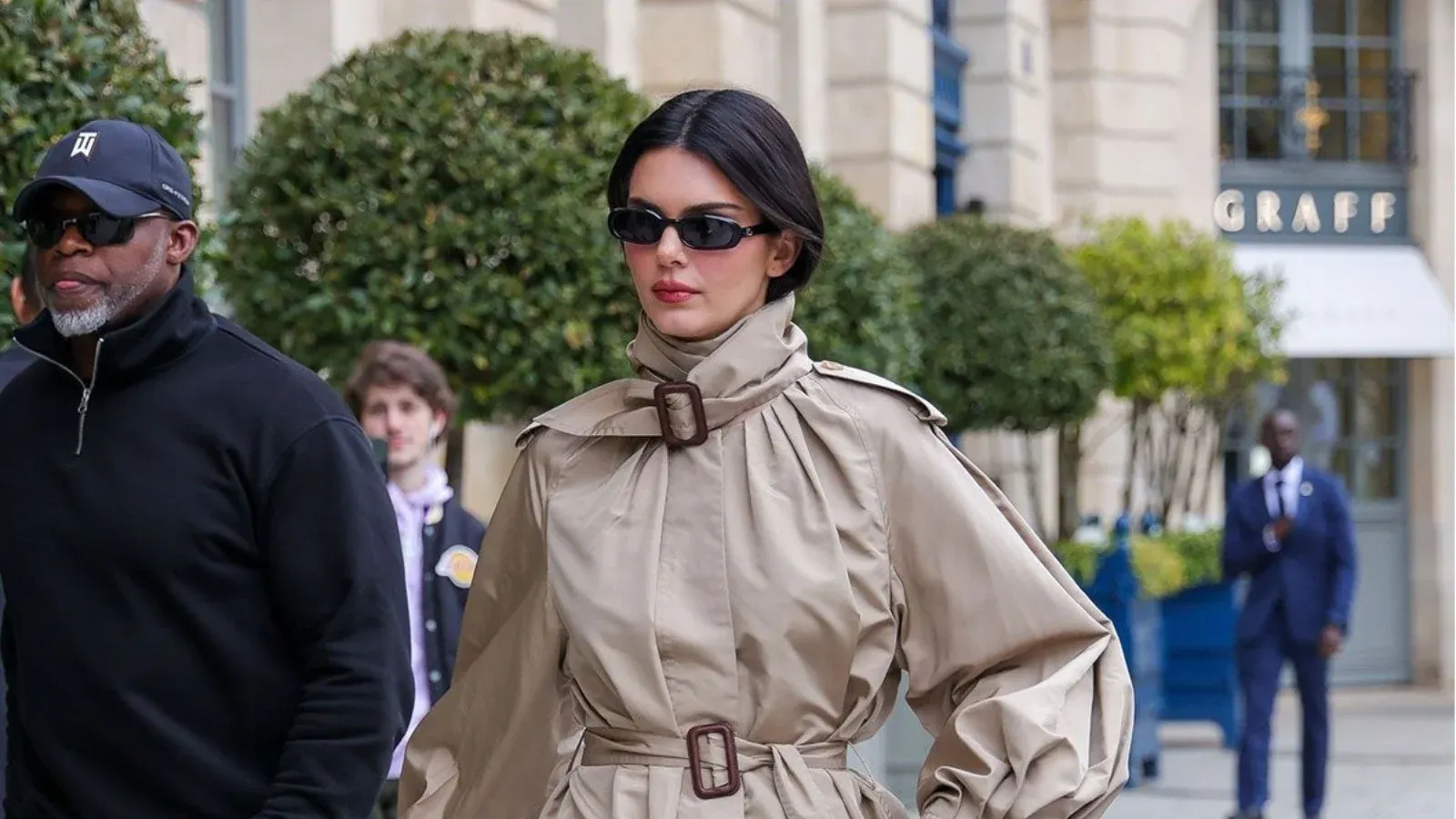
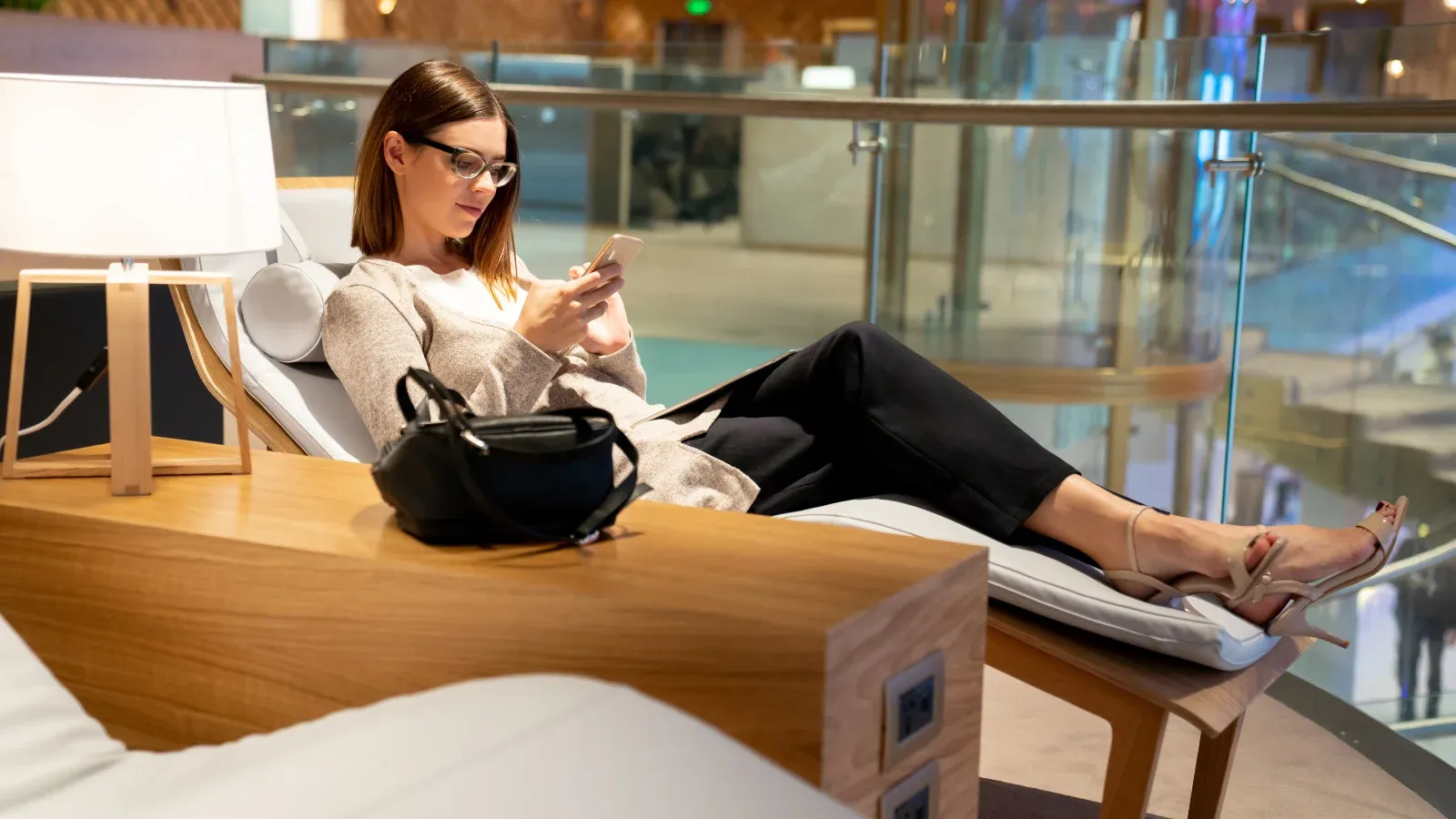
At nine in the morning after an overnight flight from London, a male executive can sit down at a conference table in a creased suit with dark shadows under his eyes, speak in a flat monotone over black coffee, and nobody blinks. His exhaustion immediately registers as proof that he carries serious weight in the building.
The woman beside him stepped off the exact same plane, worked the exact same hours, and slept the exact same forty minutes upright in business class. Yet if she walks into that boardroom without concealer, hair slicked back and expression unguarded, three different colleagues will pull her aside before lunch to ask if she is feeling alright, whether she is coming down with something, or if everything is okay at home.
Fatigue is not a neutral physical state in public life. It is a social signal, and society reads it through a rigid double standard. Men are permitted to look spent because depletion signals labor and authority. Women are expected to look perpetually restored, because visible wear suggests a breakdown in self-management.
The Aesthetics of Male Gravitas
Cultural history has long romanticized the visibly worn-out man. From the rumpled newspaper editor with loosened tie to the sleepless tech founder or the gaunt literary novelist, male fatigue carries a built-in aura of seriousness. Dark circles and a guarded, unsmiling face make a man look focused, burdened by heavy decisions, and indifferent to trivial vanity.
Nobody expects a senior partner or a film director to radiate freshness at seven in the evening. His physical depletion acts as a badge of honor, confirming that his mind is occupied with matters far larger than his own reflection.
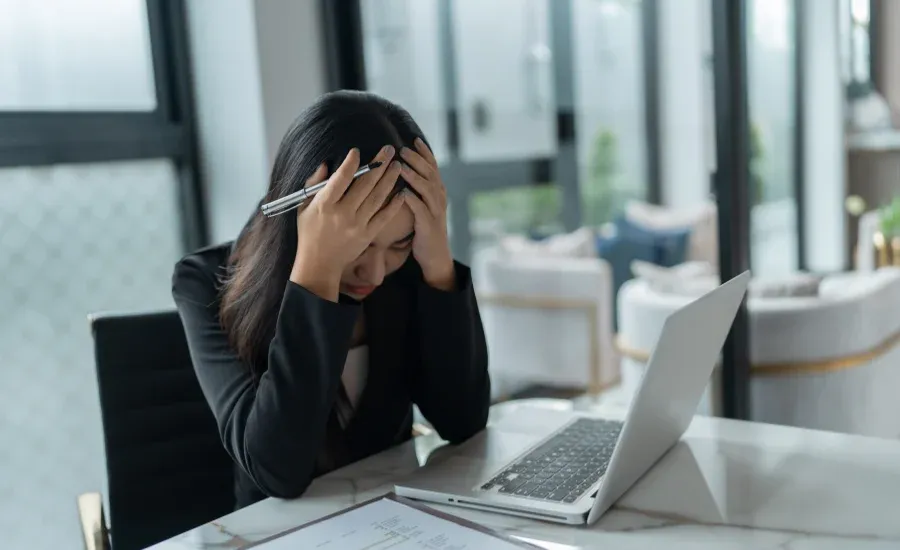
Women receive none of that interpretive generosity. When a woman lets her posture drop on a late commuter train, skips makeup after a sixty-hour week, or answers an email without softening the punctuation, people rarely assume she has simply been working hard. They read her tiredness as emotional fragility, poor coping skills, or personal crisis.
The Unpaid Labor of Looking Rested
Millions of women spend hours and thousands of dollars maintaining a facade of effortless vitality, just because women exhaustion double standard rules penalize visible fatigue.
Think about the sheer infrastructure dedicated to erasing the physical evidence of a normal adult workload. Color-correcting under-eye concealers, lymphatic drainage tools, peptide eye patches worn during morning commutes, blowout appointments booked at six in the morning, and carefully modulated vocal warmth on conference calls all serve a single purpose: disguising the fact that you are tired.
The expectation goes deeper than cosmetics. Women are also expected to perform emotional energy even when their reserves hit zero. A tired man can sit silently at a dinner party, nurse a drink, and offer two-word answers without anyone questioning his character. A tired woman who drops her conversational enthusiasm for twenty minutes gets labeled cold, disengaged, or difficult.
Maintaining a bright, alert exterior while running on five hours of sleep requires a second, invisible shift of labor. You are not just doing the job; you are constantly managing other people's comfort so they never have to witness the physical cost of your effort.
Why Rest Became a Status Symbol
Look closely at who actually gets away with looking unbothered and slightly undone in public, and the class divide snaps into focus.
A woman born into generational wealth can walk through Manhattan in an oversized cashmere sweater, bare skin, and messy hair, and her unpolished appearance reads as aristocratic ease. Because everyone knows she does not answer to a boss or scramble to cover rent, her lack of effort looks intentional.
For working women, especially women climbing institutional ladders or building businesses from scratch, the margin for error disappears. Looking tired risks signaling that you cannot handle the workload you asked for. So you buy the brightener, sit up straighter in the glass conference room, smile on cue, and save your collapse for behind a locked apartment door.
The Quiet Rebellion of Dropping the Mask
Notice how quickly the room shifts the moment a woman refuses to perform vitality she does not actually possess.
You do not need to announce your schedule or complain about how little you slept to stop apologizing for having a human nervous system. Let your face rest when you are listening in a meeting. Answer "How are you?" with a plain "Busy week, let's dive in" instead of a breathless monologue about how thrilled you are to be there. Leave the house on a Sunday morning looking exactly as tired as you feel without reaching for concealer just to buy coffee.
The world will not stop spinning if people see the real physical toll of an ambitious life. Until women claim the right to look just as drained, serious, and unbothered as the men sitting across the table, we will keep paying a steep tax just to pretend we never get tired.