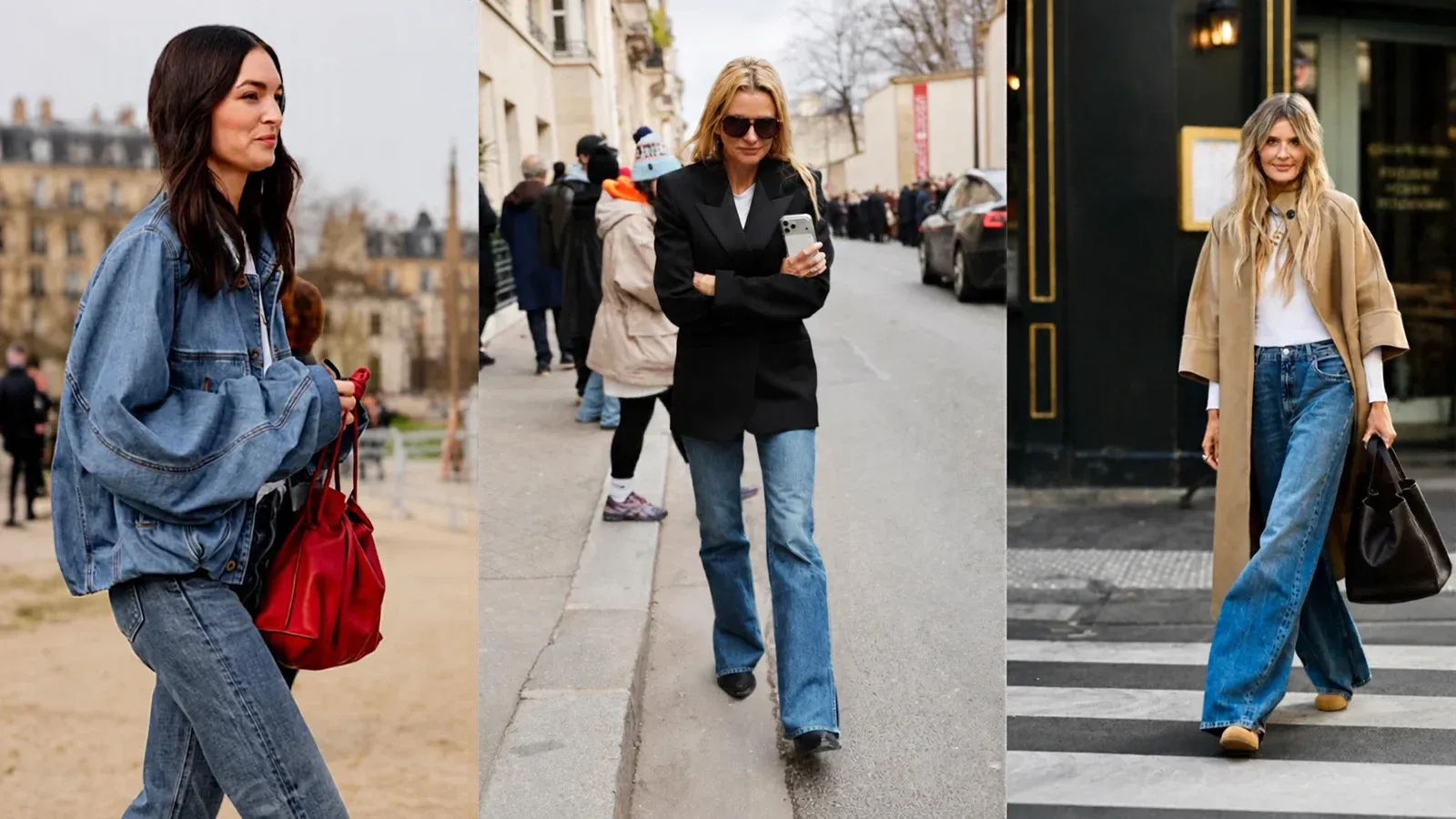
The tri-pillar social model of adult life collapsed quietly over the last decade.
The workplace went hybrid, atomizing coworkers behind camera-off conference calls and eliminating the casual hallway run-ins that used to produce real friendships. Pews emptied as religious affiliation declined across successive generations. And the bar—once the default default for romantic and platonic encounters—has priced itself out of utility, charging twenty-two dollars for a cocktail while blaring music so loud that having an audible sentence requires shouting into someone’s ear canal.
That leaves adults staring at the same uncomfortable blank space: where do you actually go to meet someone new without a screen acting as the middleman?
Sociologists call these environments "third places"—spaces outside the home (first) and the office (second). When the historical ones broke down, people didn’t stop wanting human connection; they just started constructing entirely new, interest-anchored infrastructure to replace them.
The Working Gal Salary & Sanity Survey 2026
Anonymous, 3 minutes, for an upcoming Working Gal report on women's work and money.
Take Survey (opens in a new tab)1. The Sweat-Based Third Place: Run Clubs and Fitness Collectives
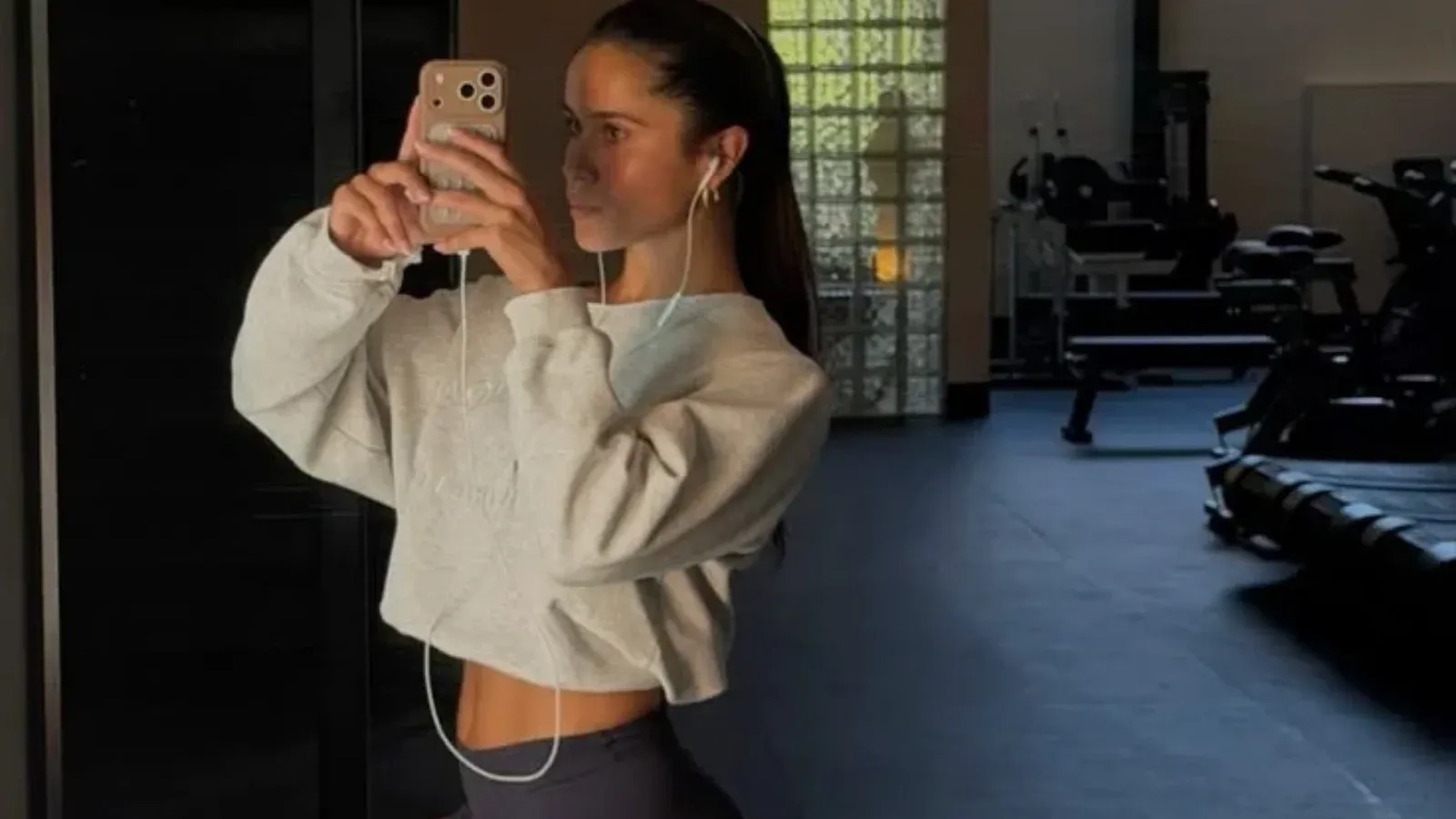
The explosion of urban run clubs, pickleball open-plays, and boutique movement communities isn't just about cardiovascular conditioning; it is about frictionless social scaffolding.
Traditional networking events and dive bars force direct eye contact and manufactured small talk, which induces social anxiety for most adults. Physical activity, by contrast, gives you side-by-side positioning. You are moving in the same direction, your attention is divided between the physical output and the environment, and conversations spark naturally during warmup stretches, pace adjustments, or the post-run coffee line.
The barrier to entry is delightfully low, the common interest is pre-established, and the recurring cadence does the heavy lifting that adult friendships need: regular, repeated exposure over time without having to ask someone out on an awkward "friend date."
2. Micro-Hobby Infrastructure: Analog Studios and Clubs
When socializing stops revolving around alcohol, it gravitates toward tangible creation.
Adults are increasingly filling ceramics studios, book clubs hosted in independent bookstores, woodworking co-ops, language exchange tables, and community gardens. These environments recreate the exact condition that made university friendships so easy: parallel play.
Working on a pottery wheel, pruning a communal raised bed, or discussing a chapter gives everyone in the room a shared third object to focus on. You don't have to sell yourself, pitch your résumé, or present an aesthetic personal brand. You are simply learning a skill alongside fifteen other people who are also struggling with the same clay vessel. The shared vulnerability of being an amateur creates immediate camaraderie.
3. The Recurring Neighborhood "Regular" Loop
For decades, urban planners noted that the strongest social ties weren't built through blockbuster social outings, but through "weak ties"—the low-stakes, frequent interactions you have with people you see every single week.
Adults who successfully build a local circle today rarely find it by chasing one-off events. They construct it through boring, intentional habit:
Sitting at the exact same café counter at 8:30 AM every Tuesday and Thursday.
Walking the same dog park loop at 5:15 PM daily.
Visiting the same neighborhood butcher, bakery, or wine shop consistently enough that staff and fellow regulars recognize your face.
The unlock isn't introducing yourself on day one. It is simply showing up often enough that your presence stops being a surprise. By the fourth or fifth encounter, a nod turns into a quick comment about the weather, which turns into a five-minute conversation, which eventually opens the door to genuine connection.
4. Hyper-Curated Shared Living and Co-Working Nodes
For remote and independent professionals, the isolation of working from a living room couch has driven a surge into purpose-built communal spaces.
This extends far beyond cold commercial shared-office spaces. Independent work hubs, neighborhood creative clubs, and salon-style discussion groups are designed specifically to reintroduce spontaneous watercooler interactions without corporate HR oversight. People take lunch at a communal farm table, share resources, and organize low-pressure weekend dinners.
Connection in these spaces works because there is no immediate transaction required. You aren't pitching business; you are just working near someone else who also wants a break from their own thoughts at 2:00 PM.
The Secret to the Modern Meeting Ground
The reason adults struggle to meet people isn't that places don't exist; it's that we treat socializing like shopping. We look for immediate, cinematic connection on the first try, and when it feels awkward, we retreat back into our phones.
Real adult community doesn't arrive pre-packaged. It accrues slowly through physical presence, shared friction, and showing up to the same geographic spot on a Tuesday when you'd rather be on your couch. The places are there—you just have to become a regular.