
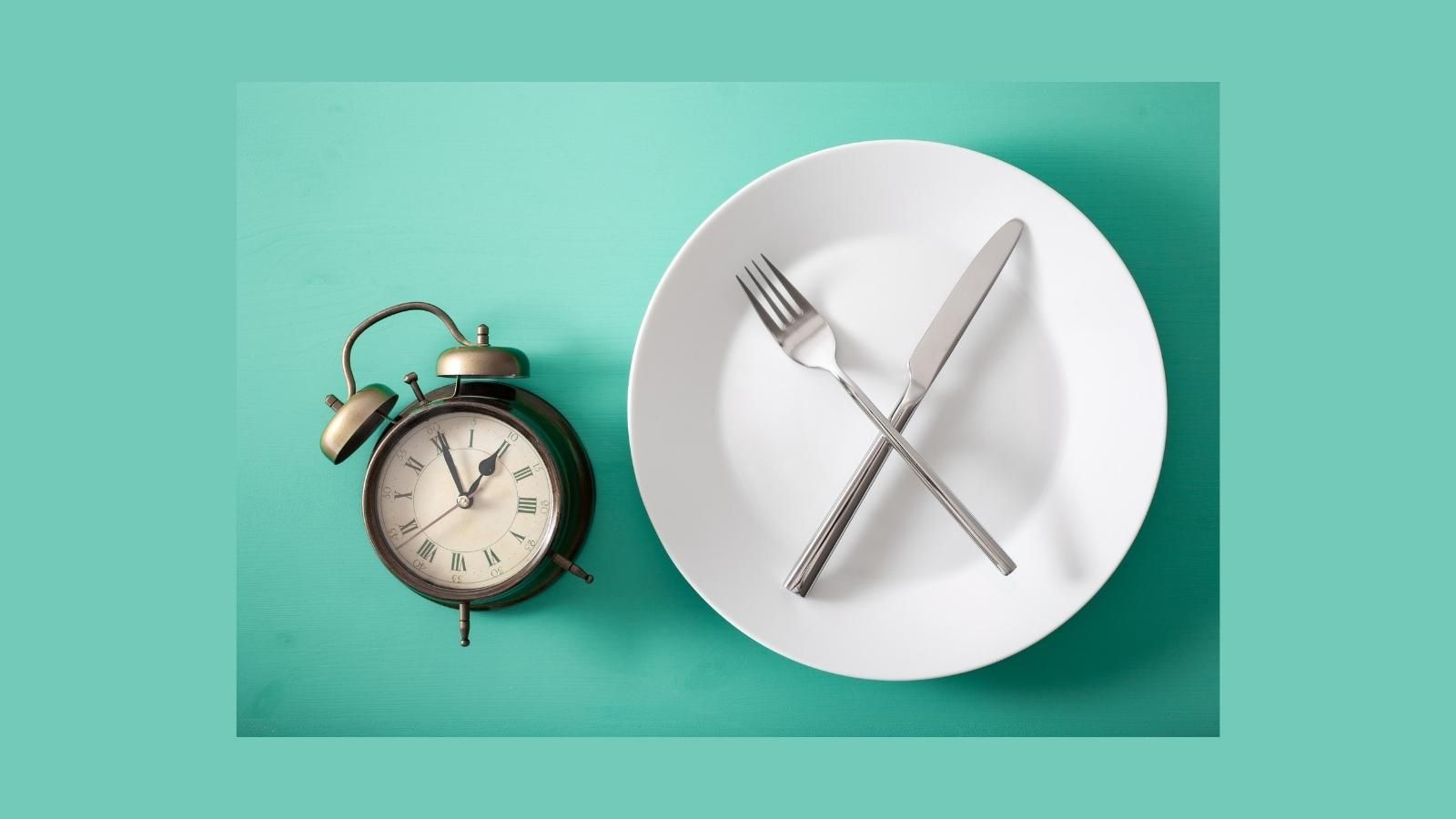
Intermittent fasting affects men and women differently
Every time has its own trends in terms of diets, and intermittent fasting is considered very relevant and “trendy” nowadays. As its name suggests, its main idea lies in limiting food intake to specific intervals during the day. Intermittent fasting is a dietary pattern that focuses on when you eat and not what you eat.
There are several types of intermittent fasting, but most approaches alternate between periods of eating and non-eating or fasting. Some methods suggest fasting for a set number of hours, while others extend fasting to a full day several times a week. However, women and men show different tolerance to intermittent fasting.
Why is intermittent fasting different for women and men?
Intermittent fasting affects men and women differently. There are potential risks that women should consider regarding reproductive health, bone health, and general well-being.

Although you can eat normally during periods when you are not fasting, some forms of intermittent fasting can reduce your calorie intake. Calories provide your body with energy; when there is a shortage of energy, the body will focus on survival over other functions.
Research with women as participants is currently limited, but some studies involving rodents suggest that intermittent fasting can cause changes in estrogen levels and negatively affect reproductive functions such as menstrual regularity, fertility, pregnancy, and lactation. Male rodent hormone levels are also affected, but the disorders do not seem to change their reproductive functions as they change in female rodents. A possible reason for this is that certain aspects of reproduction in women -including pregnancy and breastfeeding- require more energy than those in men. Thus, these functions can be negatively affected if the energy intake is too low. However, it is not clear at this time whether women are affected in the same way that female rodents are affected.
What are the risks for women?
An increasing volume of research suggests that limiting calorie intake can also reduce bone density. However, according to a recent review of studies, intermittent fasting does not appear to affect the density of the minerals in your bones in the same way as low-calorie diets. However, most of these studies are not extensive, so more research is required for safe results.
Other possible side effects of intermittent fasting include:
Headaches
Fatigue
Constipation
Overconsumption of food in non-fasting periods
When women should avoid intermittent fasting
Although intermittent fasting has potential benefits, some women should avoid it unless approved by their physician. If you are thinking of starting intermittent fasting as a diet plane, you should definitely consult your physician or nutritionist if you are included in the following categories:
Pregnancy or breastfeeding: Intermittent fasting is generally not recommended for pregnant women as it can affect the development of the baby and cause other adverse side effects
Diabetes: Fasting may increase the risk of low blood sugar (hypoglycemia).
Specific medication: Some medications should be taken with food, therefore, prolonged fasting could affect scheduled doses.
Also, if you suffer from an existing medical condition or a history of malnutrition, talk to your physician before starting any diet or diet plan.
Also, it’s worth pointing out that women may need to follow a different approach to intermittent fasting than men in order to manage potential health risks.
Small, gradual changes over several months, rather than drastic changes in a short period of time, could help reduce undesirable side effects.
There is no method of fasting that is better than any other. As with most diets, intermittent fasting has to do with what suits everyone and their nutritional goals. In general, however, women prefer a more flexible fasting approach than men. In particular:
Gradually increasing fasting time: We initially fast for 12 hours and gradually increase the interval to 16 hours. We fast 2 to 3 times a week but for non-consecutive days. Each day of fasting should be equally distant from the previous one (e.g., Monday, Wednesday, Friday)
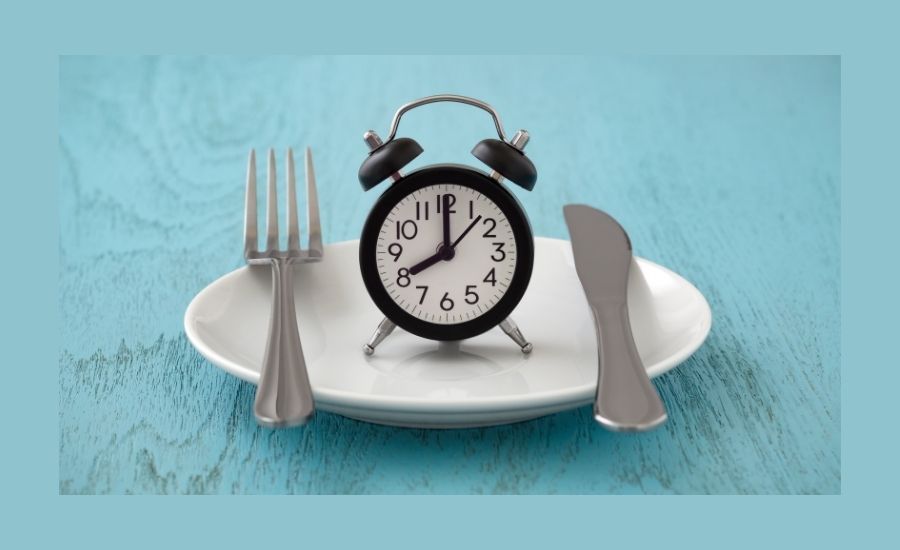
Eat-stop-eat (24-hour protocol): A complete 24-hour fast 1-2 times (maximum for women) per week. It would be advisable to start with 12 and gradually reach up to 16 hours of fasting for smoother and milder adjustments.
The 5:2 diet (also called the fasting diet): Instead of not eating at all for a while, we limit calories to 25% of what we usually consume (~500 calories per day). We follow it for 2 non-consecutive days a week. For the rest of the days, we eat as per usual.
Method of every 2nd day: Fasting every 2nd day, eating 20-25% of the total calories we typically consume (about 500 calories) on the day of fasting. In the 10 days of 5, we will have consumed about 500 calories.
The 16/8 method: We fast for 16 consecutive hours and then eat all our meals within 8 consecutive hours. Women can initially start fasting for 14 hours and gradually increase it to 16 hours.