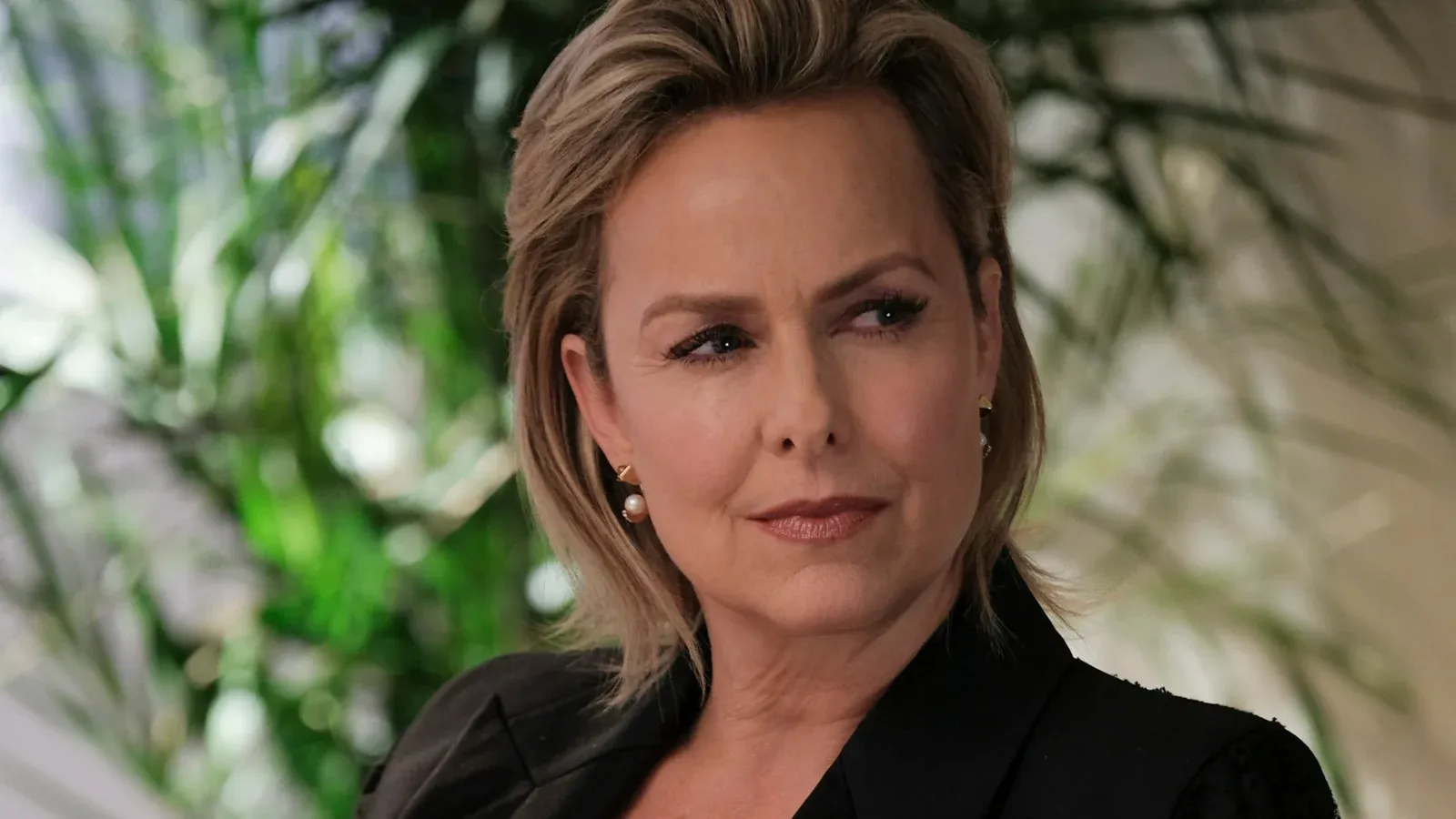
Susan Dell walked into the White House on October 7 to promote a program for which her family has pledged $6.25 billion. By the next morning, the internet was discussing her face.
Her appearance has gone viral, and a whole industry of speculation has followed. Before we add to it, here is what is actually known: nothing. Dell has not commented, and her representatives have not confirmed any procedure. This piece is about the argument the photos set off, and that argument deserves more than a shrug.
What Actually Happened
Dell appeared alongside President Trump at an event promoting Trump Accounts, an investment account for eligible children. According to IBTimes, online reaction focused on her looks rather than the money, with comparisons to dolls and computer-generated characters and open speculation about cosmetic work.
Fashion Times points out that none of it is verified and that lighting, makeup, and camera angles change how a person looks in photos. A face on a screen can tell you a lot about the lens and almost nothing about a medical history.
“My Body, My Choice” Meets Its Own Limit
The reflex answer to any of this is that it is her body and her choice. That sentence works for the right to decide. It does not settle every question that comes after it.
Medicine has always put limits on choice. A surgeon cannot fulfill any request just because the patient asks for it. Consent must be informed, and doctors have a duty not to cause harm. A cosmetic procedure is a medical procedure, and it follows the same rules.
One of those rules concerns who is asking. A 2017 meta-analysis of 33 publications found that about 15% of plastic surgery patients met the criteria for body dysmorphic disorder, a condition in which a person cannot see their appearance accurately. The authors urged surgeons to carefully assess patients to identify those at higher risk. For some patients, “I want this” is the symptom.
The Market Sets the Price of Choice

Choices are made inside a market, and the market is growing. The American Society of Plastic Surgeons reported that cosmetic procedures rose 7% in 2025, facelifts rose 13%, and neuromodulators and hyaluronic acid fillers accounted for 80% of minimally invasive treatments. Patients aged 66 and older grew 24%, the biggest jump of any group, and adults between 36 and 55 accounted for nearly half of all procedures.
An industry that earns per procedure gains when more people feel they are due a fix. That does not make surgeons villains. It does mean the person saying “it’s my choice” is often responding to a sales environment that built the desire in the first place.
The industry also seems to know it. Surgeons quoted in W Magazine in July say patients have moved on from the heavily contoured “Instagram face,” with one describing the new goal as looking “refreshed and healthy, not different.” A market that sold the overdone look for a decade is now selling the correction.
The Double Bind Women in Public Life Know Well
There is a second argument in the Dell reaction, and it is uglier. Women with money and visibility get told to stay young. When they appear to have tried, the same crowd mocks the attempt. Looking natural is demanded, and looking altered is punished, and the target is always the woman, almost never the industry or the standard.
Pointing that out is not the same as excusing the line of questioning. It is a reason to move the question away from one person’s face.
So Who Decides?
If personal choice cannot be the only answer, the realistic options sit with the people who offer the procedures and the rules around them:
Screening that is routine, not optional: a documented check for body dysmorphic disorder before elective work.
Waiting periods: a gap between consultation and procedure, especially for repeat treatments.
A professional norm of refusal: surgeons who say no when the request signals harm and are backed by their peers when they do.
Honest advertising: before-and-after images and marketing that do not imply a face can be fixed indefinitely.
None of that takes the decision from the patient. It makes sure the patient is the one making it.
The Dell photos will fade from the feed within a week. The question they raised will not, because the number of people having these procedures keeps rising. Who says when it has gone too far is still unanswered, and “she can do what she wants” is not an answer. It is a way of not having one.