

Between shorter days limiting our vitamin D production, back-to-school and work stress ramping up, and cold and flu season knocking on our door, our bodies need extra support to thrive during autumn's transition. The good news? With the right supplements, you can give your system the boost it needs to stay energized, healthy, and glowing all season long.
For this reason, we consulted with registered dietitians and nutritionists to identify the most crucial supplements for fall. Here's what the experts say you need to know about supporting your health as the leaves change color.
Why Fall Requires a Different Supplement Strategy
First of all, it's important to understand why fall is particularly challenging for our bodies. "Fall and winter pose nutritional challenges unique to the seasons," says Erin Palinski-Wade, a registered dietitian and consultant to Swisse Wellness.
The seasonal shift brings several factors that can impact our health:
Reduced Sun Exposure
"We get less sun exposure during the winter months," Palinski-Wade explains. A lack of sunshine can prevent our bodies from creating adequate levels of vitamin D, which helps keep our bones and teeth strong.
Increased Indoor Time
We spend more time in close quarters with others, increasing our exposure to cold and flu viruses. Research finds that dry, cold weather was the most favorable for transmission of the seasonal flu.
Seasonal Stress
The return to busier schedules, holiday planning, and year-end deadlines can tax our immune systems and energy levels.
Dietary Changes
Many people consume fewer fresh fruits and vegetables during colder months, potentially creating nutritional gaps.
The Top 5 Fall Supplements, According to Nutritionists
1. Vitamin D: The Sunshine Substitute
Why You Need It: "I like to focus on vitamin D even more during the colder months when we aren't as exposed to sunshine, and therefore our bodies aren't converting this nutrient from those rays," says registered dietitian nutritionist Lauren Manaker.
"Vitamin D has been shown to help regulate the immune system," explains registered dietitian Devon Peart, "and having a good level of vitamin D helps prevent infections." Studies show that having low vitamin D levels is associated with a higher risk of infections, especially those that affect the respiratory system.
Expert Recommendations:
- For healthy adults aged 19-50: 400-1000 IU daily
- For adults over 50: 800-2000 IU daily
- Look for vitamin D3 (cholecalciferol) rather than D2, as it's more effectively absorbed
Best Practices: Cooper Clinic registered dietitian nutritionist Cynthanne Duryea notes that "vitamin D deficiency is common as determined by blood testing. Because there are few natural sources of vitamin D in foods, and since sun exposure should be limited to prevent skin cancer, vitamin D3 supplements may be the most prevailing supplement I recommend."
2. Vitamin C: Your Immune System's Best Friend
Why You Need It: "Vitamin C is one of the biggest immune system boosters of all," says registered dietitian Julia Zumpano. The nutrient supports the function of various immune cells and enhances their ability to protect against infection.
"While vitamin C can't directly prevent you from catching a virus, it may decrease the length and severity of a cold," research shows. "Vitamin C can also boost the innate and adaptive immune responses and help with histamine breakdown if you suffer from allergies."
Expert Recommendations:
- Most adults need about 75-90mg daily from food sources
- Extra supplemental vitamin C has been shown to help reduce the frequency and severity of seasonal colds, so if your summer produce intake decreases in the fall while the seasonal illness burden is ramping up, it might make sense to add some extra vitamin C to your supplement regimen.
Food Sources to Emphasize: Red bell peppers, oranges, grapefruit, green bell peppers, cooked broccoli, strawberries, and Brussels sprouts are all excellent sources.
3. Zinc: The Immune System Gatekeeper
Why You Need It: Researchers call zinc the "gatekeeper" of your immune system because it's responsible for making all your immune cells function properly. Zinc is an anti-inflammatory and antioxidant.
The Problem: A 2021 United States Department of Agriculture survey shows that 17% of Americans do not meet daily intake recommendations for zinc from the foods they eat. According to the National Institutes of Health, up to 45 percent of adults 60 and older do not take in enough zinc through their diet.
Expert Recommendations:
- Adult women: 8mg daily
- Adult men: 11mg daily
- Food sources include oysters (the highest source), beef, pumpkin seeds, and broiled pork chops.
4. Probiotics: Your Gut Health Foundation
Why You Need It: "One of the best starter supplements for beginners actually focuses on gut health," says licensed nutritionist Britta Sather. "Probiotics help maintain microbial balance in our gut, which is directly tied to our overall health."
Fall is particularly important for gut health because:
- Stress from seasonal transitions can disrupt gut bacteria
- Dietary changes (more comfort foods, fewer fresh fruits) can impact digestive health
- Dr. Carolyn Dean recommends "a daily probiotic with at least 1 billion CFU of active ingredients (or live bacteria)" to boost immunity.
Expert Recommendations:
- Look for supplements with multiple strains of beneficial bacteria
- Choose products with at least 1 billion CFUs (colony-forming units)
- Consider refrigerated options for maximum potency
5. Quercetin: The Natural Antihistamine
Why You Need It: "This powerful antioxidant could pack a powerful punch against colds and flu. Quercetin is a plant flavonoid that helps support a rapid immune response to upper respiratory infections. It has been shown to prevent viruses from entering cells and interacting with cellular components that are critical for viral replication."
Fall allergies are a real concern for many people. "Dying leaves and plants release allergic substances and, when wet, can emit mold spores," explains Dr. Dell'Aquila.
Expert Recommendations:
- Clinical trials have found that 12 weeks of quercetin supplementation can reduce the severity of cold symptoms in adults and the number of sick days taken to recover.
- Quercetin absorption from food sources is known to be poor, which is why supplementing it may be a good idea for many people.
- Natural sources include onions, apples, berries, and green tea
Additional Supplements to Consider
Omega-3 Fatty Acids: For Mood and Skin Support
As the weather gets cooler and drier, many people experience seasonal mood changes and skin issues. "A fish oil supplement full of anti-inflammatory fats can help hydrate skin from within," nutritionists recommend.
Benefits for Fall:
- Support mood stability during shorter days
- Help maintain skin hydration as humidity drops
- Omega-3s "have been studied extensively and are well known for their potential to support triglyceride levels to promote heart health as well as improve cognition and mental performance."
Melatonin: For Sleep Support During Time Changes
"If you're affected by the time change when Daylight Savings ends and feel that your sleep is thrown off, you may want to try a supplement to help get you back on track. Taken 20 minutes before bedtime, melatonin can promote more restful sleep."
What About Multivitamins?
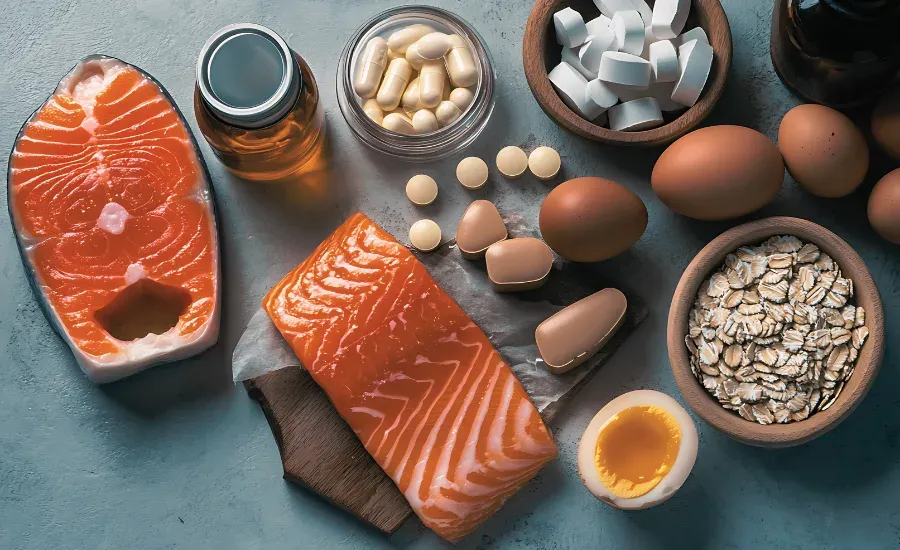
Many nutritionists recommend a high-quality multivitamin as a foundation, especially during fall. "No matter how well you eat each day, it can be hard to take in every nutrient you need in the right amount every day," Palinski-Wade says. "Taking a high-quality multivitamin each day might act as 'an insurance policy that your body is getting what it needs.'"
Research shows that 84% of registered dietitians had taken a multivitamin within the past year, and 97% of dietitians surveyed said they recommend dietary supplements to clients.
The top three reasons nutritionists use and recommend supplements:
- Bone health support
- Filling nutrition gaps
- Overall health and wellness benefits
Expert Tips for Safe Supplementation
Consult Your Healthcare Provider
"Consult with a physician to decide if taking a multivitamin or dietary supplement is right for you," advises Palinski-Wade. This is especially important if you:
- Take prescription medications
- Have chronic health conditions
- Are pregnant or breastfeeding
- Have food allergies or sensitivities
Focus on Quality
Not all supplements are created equal. Look for:
- Third-party tested products
- USP (United States Pharmacopeia) verified supplements
- Brands that follow Good Manufacturing Practices (GMP)
- Clear labeling with specific nutrient amounts
Timing Matters
With Food: Most vitamins and minerals are better absorbed when taken with food, which also reduces the risk of stomach upset.
Consistency: "Take them with food, unless otherwise advised by your pharmacist. Ask your pharmacist if you should take the supplements at a different time than your other medications, as they may reduce the absorption of certain of them."
Don't Overdo It
More isn't always better with supplements. At very high doses, even vitamin D may contribute to a range of side effects and complications, including serious ones like kidney failure and irregular heartbeat.
The Food-First Approach
While supplements can be valuable, registered dietitians consistently emphasize getting nutrients from food when possible. "Most vitamins and minerals can be adequately obtained through food, and that is the message I try to stress," says registered dietitian nutritionist Cynthanne Duryea.
Fall Foods to Emphasize
For Immune Support:
- Citrus fruits (vitamin C)
- Sweet potatoes (vitamin A)
- Pumpkin seeds (zinc)
- Leafy greens (folate, vitamin K)
For Mood and Energy:
- Fatty fish like salmon (omega-3s, vitamin D)
- Nuts and seeds (magnesium, healthy fats)
- Whole grains (B vitamins)
- Dark chocolate (magnesium, antioxidants)
For Seasonal Allergies:
- Onions and garlic (quercetin)
- Green tea (antioxidants)
- Local honey (may help with local pollen allergies)
Fall doesn't have to mean falling victim to seasonal sniffles, energy crashes, or mood dips. With the right combination of targeted supplements, a nutrient-rich diet, and healthy lifestyle habits, you can support your body through autumn's unique challenges.
Remember that supplements are meant to supplement, not replace, a healthy diet and lifestyle. "You build a strong immune system by maintaining healthy eating habits over time," explains registered dietitian Julia Zumpano. "The more you regularly choose a vitamin-rich diet, the more likely you are to strengthen your immune system for the long haul."
As the seasons change, give your body the extra support it needs to thrive. Your future self—the one who stays healthy and energized all autumn long—will thank you for taking these proactive steps now.
Always consult with your healthcare provider before starting any new supplement regimen, especially if you have existing health conditions or take medications.