
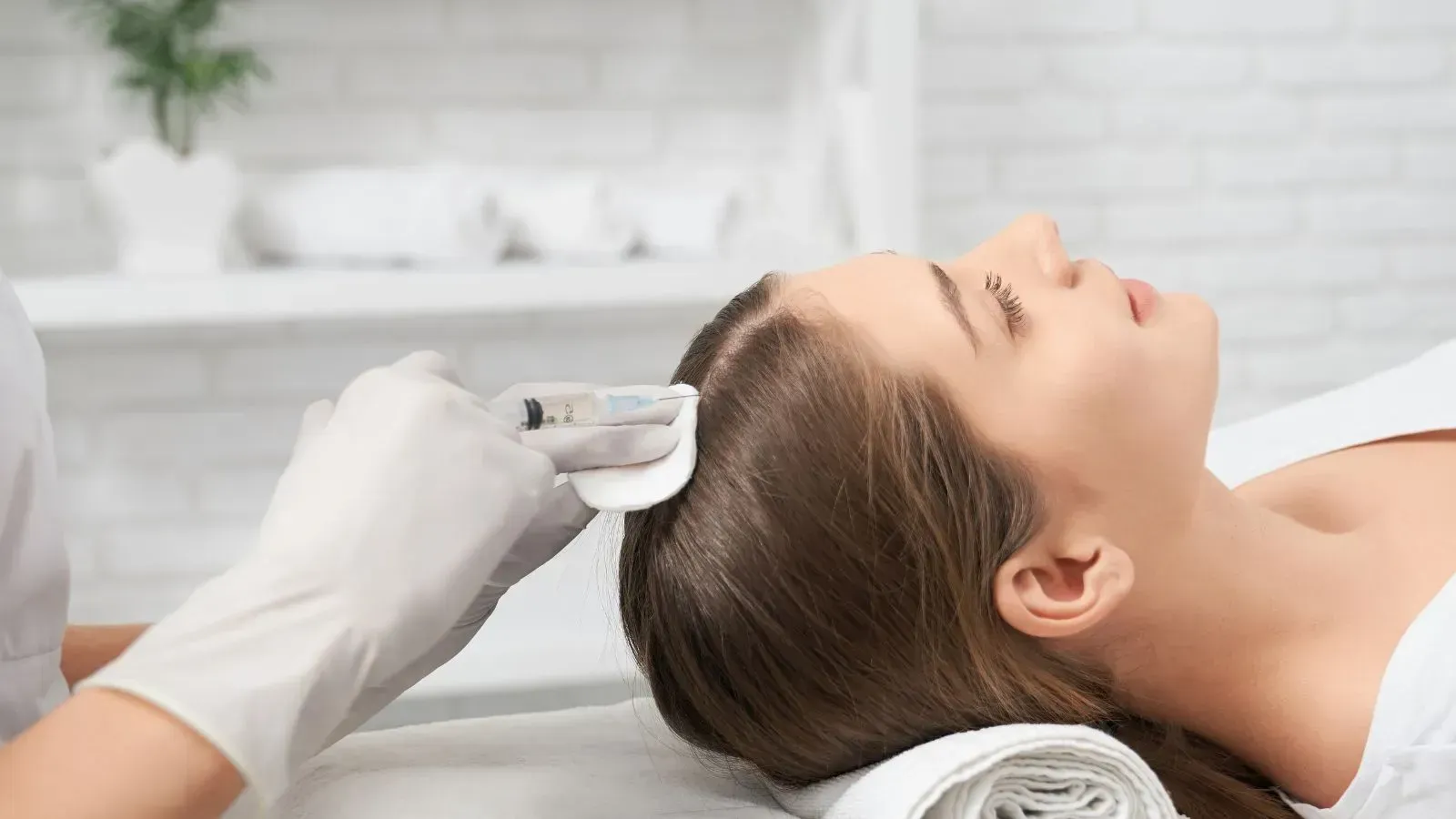
We've normalized ten-step skincare routines, weekly face masks, and monthly facials. We track which serums we apply in what order. We know our skin type, our concerns, our ingredients.
But your scalp? That skin gets neglected. We wash our hair, maybe use a hair mask, call it done.
Here's what most people don't realize: your scalp is skin. It has pores that can get clogged. It has a microbiome that can become imbalanced. It accumulates product buildup, dead skin cells, sebum, pollution, and mineral deposits from hard water—just like the skin on your face does.
The difference is that your scalp also has to support healthy hair growth. When your scalp environment is compromised by buildup and imbalance, your hair suffers. It becomes dull, breaks more easily, grows more slowly, and loses its natural shine and body.
This is where scalp detox comes in. Not as a trendy wellness treatment, but as a legitimate maintenance practice that addresses the root cause (literally) of many common hair concerns.
If you've been blaming your hair products for lackluster results, dealing with mysterious itchiness, or wondering why your hair feels limp despite using volumizing products, your scalp might be sending you signals. It might be time for a reset.
What Scalp Detox Actually Is (And Isn't)
Let's clear up the confusion. Scalp detox isn't about "pulling toxins" from your body through your head (that's not how detoxification works). It's not a magic treatment that will transform your hair overnight. And it's not something that requires expensive salon visits, though professional treatments certainly have their place.
Scalp detox is deep cleansing for your scalp—a thorough removal of everything that regular shampooing doesn't fully address.
Think of it this way: your daily shampoo is like washing your face with a gentle cleanser. It handles surface dirt and oil. Scalp detox is like using a clay mask or exfoliating treatment—it goes deeper to address buildup that accumulates over time.
A proper scalp detox accomplishes several things:
Removes product buildup. Dry shampoo, styling products, leave-in treatments, and even residue from shampoo and conditioner itself accumulate on your scalp over time. This buildup creates a barrier that prevents your scalp from breathing and your hair from absorbing beneficial treatments.
Exfoliates dead skin cells. Your scalp sheds skin cells constantly, just like the rest of your body. These cells can mix with sebum and product residue, clogging hair follicles and creating an environment where bacteria and fungus can thrive.
Balances sebum production. Paradoxically, over-cleansing can cause your scalp to produce more oil to compensate. Detoxing helps reset your scalp's natural oil production, creating better long-term balance.
Rebalances the scalp microbiome. Your scalp has its own ecosystem of bacteria and fungi. When this gets disrupted by harsh products, buildup, or environmental stressors, issues like dandruff, sensitivity, and inflammation emerge.
Improves circulation. The massage component of scalp detox increases blood flow to hair follicles, bringing nutrients and oxygen that support healthy hair growth.
Creates a clean slate for treatments. When your scalp is free from buildup, the products you use after—whether hair masks, serums, or growth treatments—can actually penetrate and work effectively.
The Signs Your Scalp Is Begging for a Detox
Your scalp communicates when something's wrong. Most people ignore these signals or attribute them to the wrong causes. Here's what to watch for:
1. Your Scalp Feels Oily Hours After Washing
If you wash your hair in the morning and it looks greasy by evening, your scalp's sebum production is likely out of balance. This often happens when product buildup or over-cleansing has disrupted your scalp's natural oil regulation.
What's happening: Your sebaceous glands are working overtime, possibly trying to compensate for harsh cleansing or reacting to clogged follicles. The excess oil then attracts more debris, creating a cycle of buildup.
2. You Have Persistent Itchiness (Not From Dandruff)
Occasional itchiness is normal. Constant itchiness that doesn't respond to anti-dandruff shampoos or moisturizing treatments suggests inflammation from buildup.
What's happening: Product residue, dead skin cells, and sebum are creating an inflammatory environment on your scalp. Your skin is irritated and trying to signal that something needs to be cleared away.
3. Your Hair Looks Dull and Feels Limp Despite Using Products
You're using shine serums, volumizing sprays, and nourishing masks, but your hair still looks flat and lifeless. The problem isn't your hair—it's what's happening at the roots.
What's happening: Buildup is weighing down your hair at the roots and creating a coating that prevents light reflection (which creates shine). Your hair can't achieve volume when it's being suffocated by residue at the scalp.
4. You Notice Flakes (But Switching Shampoos Doesn't Help)
White flakes on your shoulders that don't improve with medicated shampoos might not be dandruff—they could be product buildup or excessive dead skin cell accumulation.
What's happening: Dead skin cells aren't being properly removed during regular washing. They're mixing with product residue and forming visible flakes that fall onto your clothes.
5. Your Scalp Feels Tight or Uncomfortable
If your scalp feels taut, tender, or sensitive to touch, especially after washing, it's likely irritated and compromised.
What's happening: Your scalp's protective barrier is damaged. Buildup has created an environment where your skin can't regulate moisture properly, leading to tightness and sensitivity.
6. You Use Dry Shampoo More Than Twice Weekly
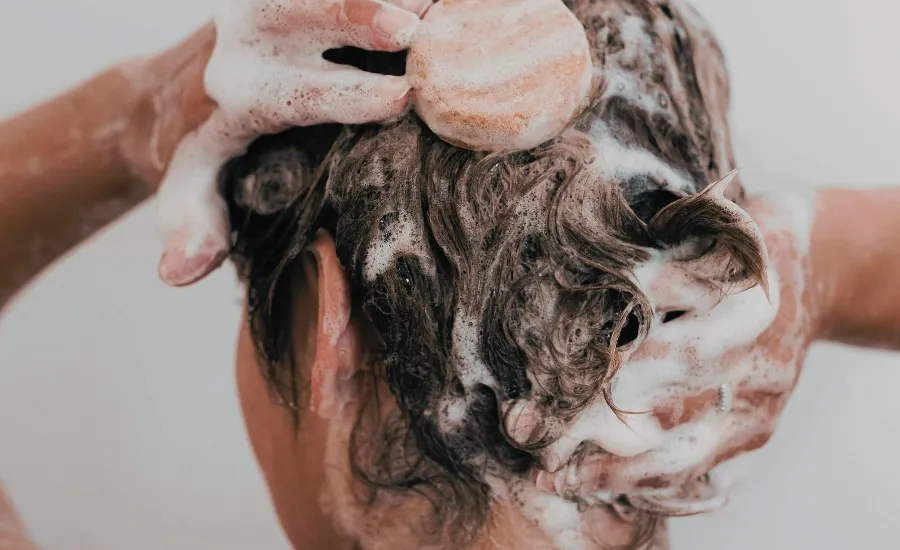
Dry shampoo is convenient, but it doesn't cleanse—it absorbs oil and adds texture. Using it frequently means you're layering product on product without properly cleansing between applications.
What's happening: Each application of dry shampoo adds another layer to existing buildup. Over time, this creates a thick coating on your scalp that can't be removed with regular shampooing alone.
7. Your Hair Products Don't Seem to Work Anymore
The conditioner that used to make your hair silky now seems to do nothing. Your hair mask doesn't penetrate. Your scalp treatment doesn't relieve symptoms.
What's happening: Buildup is creating a barrier between your hair and the products you're applying. Active ingredients can't penetrate through the coating of residue, so nothing works as it should.
8. You Notice More Hair Shedding Than Usual
If you're finding more hair in your brush, shower drain, or on your pillow, and you've ruled out medical causes, scalp buildup could be contributing.
What's happening: Clogged follicles can't support healthy hair growth. Poor circulation from scalp tension and inflammation weakens the hair shaft. Your hair becomes more prone to breaking and falling out.
9. Your Scalp Has a Noticeable Odor
If your scalp smells musty or unpleasant even shortly after washing, bacteria or fungus may be proliferating in the buildup.
What's happening: The accumulation of sebum, dead skin, and product creates an environment where microorganisms thrive and produce odor.
10. You Swim Regularly or Have Hard Water
Chlorine from pools and minerals from hard water (calcium, magnesium, iron) deposit on your scalp and hair, creating buildup that regular shampoo can't fully remove.
What's happening: These minerals and chemicals bond to your hair and scalp, creating a coating that makes hair feel rough and can interfere with color treatments or chemical processing.
How Often You Actually Need to Detox Your Scalp
There's no universal answer because everyone's scalp is different. But here are guidelines based on common scenarios:
If you have oily hair or live in a humid climate: Every 7-10 days. Your scalp produces more sebum and attracts more buildup in humid conditions.
If you have normal hair and moderate product use: Every 2-3 weeks. This maintains a clean baseline without over-stripping your scalp.
If you have dry hair or a sensitive scalp: Once a month. Too frequent detoxing can worsen dryness and sensitivity.
If you use a lot of styling products or dry shampoo: Weekly. Heavy product use requires more frequent deep cleansing.
If you swim regularly in chlorinated pools: After every 3-4 swims. Chlorine buildup needs to be addressed before it causes damage.
If you have dandruff or scalp conditions: Consult a dermatologist. Some conditions improve with regular detoxing; others require different treatment.
The key is consistency. Monthly detox as prevention is more effective than waiting until you have major buildup problems.
How to Actually Do a Scalp Detox (Step-by-Step)
A proper scalp detox isn't complicated, but the order and technique matter. Here's the process:
Step 1: Start With Dry Hair
Most scalp detox treatments work best on dry hair before shampooing. This allows the exfoliating ingredients to directly contact your scalp without being diluted by water.
Step 2: Section Your Hair
Part your hair into 4-6 sections to ensure you can access your entire scalp. Use clips to keep sections separated.
Step 3: Apply Your Detox Treatment
Whether you're using a commercial scalp scrub, a clay mask, or a DIY treatment, apply it directly to your scalp (not your hair) using your fingertips or an applicator bottle. Work section by section.
Step 4: Massage Thoroughly
This is the most important step. Using your fingertips (not nails), massage your scalp in circular motions for 5-10 minutes. The massage serves multiple purposes: it works the product into your scalp, stimulates circulation, helps break up buildup, and promotes lymphatic drainage.
Pay extra attention to areas where buildup tends to accumulate: the crown, hairline, and behind the ears.
Step 5: Let It Sit
Allow the treatment to sit on your scalp for the recommended time (usually 5-15 minutes). This gives active ingredients time to work and allows any clay or absorbent ingredients to draw out impurities.
Step 6: Rinse Thoroughly
This takes longer than you think. Rinse with lukewarm water (not hot, which can stimulate more oil production) until the water runs completely clear. Insufficient rinsing defeats the purpose of detoxing.
Step 7: Shampoo (Yes, Again)
Use a gentle, sulfate-free shampoo to remove any remaining treatment and cleanse your scalp. You might need to shampoo twice if you used a clay-based or oil-based treatment.
Step 8: Condition Mid-Shaft to Ends Only
Skip conditioner on your scalp—you've just cleaned it. Apply conditioner from your ears down to avoid immediately re-coating your scalp with product.
Step 9: Optional: Follow With a Scalp Toner or Treatment
Now that your scalp is clean, this is the optimal time to apply any treatments you want to actually penetrate—whether that's a growth serum, a soothing toner, or a rebalancing spray.
Step 10: Air Dry When Possible
Give your scalp a break from heat styling after a detox. If you must blow dry, use a cool setting.
DIY Scalp Detox Treatments You Can Make at Home
If you prefer natural, budget-friendly options, these DIY treatments are effective:
Apple Cider Vinegar Rinse (For All Hair Types)
- Mix 2 tablespoons raw apple cider vinegar with 1 cup water
- Apply to scalp, massage for 3-5 minutes
- Let sit for 5 minutes, rinse thoroughly
- Benefits: Balances pH, removes buildup, antimicrobial properties
Baking Soda Scalp Scrub (For Oily Scalp)
- Mix 2 tablespoons baking soda with enough water to form a paste
- Apply to wet scalp, massage gently for 2-3 minutes
- Rinse thoroughly, follow with gentle shampoo
- Benefits: Exfoliates, absorbs excess oil, removes product buildup
- Caution: Don't use more than once every 2 weeks—baking soda is alkaline and can be drying
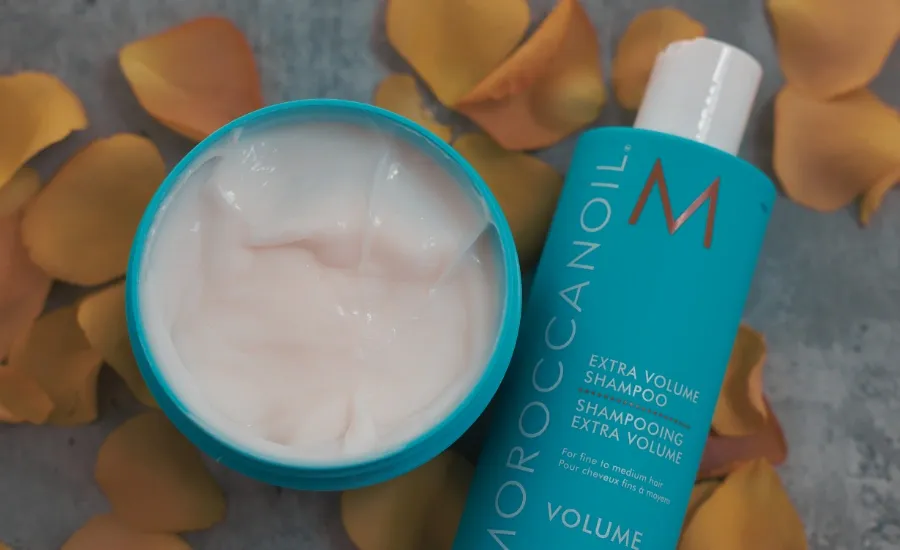
Bentonite Clay Mask (For Deep Detox)
- Mix 3 tablespoons bentonite clay with enough water or apple cider vinegar to form a smooth paste
- Apply to scalp, let sit for 10-15 minutes
- Rinse thoroughly (this takes time)
- Benefits: Draws out impurities, removes toxins, clarifies deeply
Sugar and Coconut Oil Scrub (For Dry, Flaky Scalp)
- Mix 2 tablespoons brown sugar with 2 tablespoons melted coconut oil
- Add 3 drops tea tree oil (optional)
- Massage into scalp for 5 minutes
- Rinse, shampoo twice to remove oil
- Benefits: Gentle exfoliation, moisturizing, antimicrobial
Activated Charcoal Treatment (For Heavy Buildup)
- Mix 1 tablespoon activated charcoal powder with your regular shampoo
- Apply to scalp, massage for 3-5 minutes
- Let sit for 5 minutes, rinse thoroughly
- Benefits: Absorbs toxins, removes chlorine and hard water minerals, deep cleanse
The Best Scalp Detox Products
If you prefer ready-made solutions, these products deliver professional-level results:
Clarifying & Detox Shampoos
Neutrogena Anti-Residue Clarifying Shampoo
The cult-favorite budget option. Removes up to 90% of heavy residue caused by shampoos, conditioners, and styling products. Use once a week for maintenance.
Moroccanoil Clarifying Shampoo
A gentle but effective clarifying shampoo with argan and avocado oils to prevent over-drying. Color-safe and suitable for all hair types.
Olaplex No. 4C Bond Maintenance Clarifying Shampoo
Removes buildup while maintaining bonds in color-treated or chemically processed hair. The only clarifying shampoo that doesn't compromise your hair's integrity.
Paul Mitchell Shampoo Two
Deep-cleaning formula that removes chlorine, iron, and mineral buildup. Particularly good for swimmers or those with hard water.
Scalp Scrubs & Exfoliators
Briogeo Scalp Revival Charcoal + Coconut Oil Micro-Exfoliating Shampoo
Physical exfoliation with charcoal detoxification. Contains binchotan charcoal, coconut oil, and tea tree oil. Soothes while it cleanses.
Christophe Robin Cleansing Purifying Scrub with Sea Salt
The luxury option beloved by professionals. Sea salt physically exfoliates while drawing out impurities. Leaves scalp feeling incredibly clean.
dpHUE Apple Cider Vinegar Scalp Scrub
Combines physical exfoliation with ACV's pH-balancing benefits. Pink Himalayan sea salt and avocado oil prevent over-drying.
Scalp Treatments & Masks
Aztec Secret Indian Healing Clay
The most affordable deep-detox option. Mix with water or ACV for a powerful clay mask. A little goes a long way.
The Inkey List Glycolic Acid Exfoliating Scalp Scrub
Chemical exfoliation instead of physical scrubbing. Glycolic acid dissolves buildup without harsh scrubbing.
Detox Rinses & Tonics
Tea Tree Special Detox Kombucha Rinse
Kombucha-based rinse that rebalances scalp pH and microbiome. Use weekly for maintenance.
OGX Extra Strength Refreshing + Invigorating Teatree Mint Dry Scalp Treatment Affordable but effective treatment for between washes. Tea tree and peppermint soothe while removing light buildup.
Act+Acre Cold Processed Scalp Detox
Pre-wash treatment that uses cold-processed technology to preserve active ingredients. Professional results at home.
Kreyòl Essence Haitian Black Castor Oil Scalp Detox
Combines detoxifying rosemary and peppermint with nourishing Haitian black castor oil. Particularly good for protective styles or braided hair.
What to Expect After Your First Scalp Detox
Managing expectations is important. Here's what typically happens:
Immediately after: Your scalp will feel lighter, cleaner, and possibly tingly if you used products with peppermint or tea tree. Your hair may feel slightly different—possibly drier than usual if you're accustomed to product coating.
Days 1-3: Your hair might look a bit flat or lack volume as your scalp adjusts to not being over-stimulated. This is normal. Your scalp is recalibrating its oil production.
Days 4-7: Your hair should start looking healthier—more shine, better body, improved texture. Your scalp feels more balanced.
Week 2+: With regular detoxing (every 2-4 weeks depending on your needs), you'll notice your hair products work better, your scalp feels healthier, and hair growth may improve.
Some people experience a "purge" period where their scalp seems to produce more oil or flakes temporarily. This is your scalp adjusting to having buildup removed and often resolves within a week.
When to See a Professional Instead of DIY
Scalp detox is generally safe to do at home, but certain situations warrant professional help:
You have an active scalp condition. Psoriasis, seborrheic dermatitis, or other diagnosed conditions need dermatological treatment, not just detoxing.
Your scalp is extremely sensitive or reactive. If your scalp burns, develops rashes, or reacts badly to most products, work with a trichologist or dermatologist.
You have severe buildup from years of product use. Sometimes professional chelating treatments are more effective for extreme cases.
You're experiencing unexplained hair loss. This could indicate an underlying health issue that detoxing won't address.
You've recently had chemical treatments. Immediately after coloring, perming, or relaxing, your scalp may be too sensitive for aggressive detoxing.
Professional scalp facials and deep-cleansing treatments can be worthwhile investments, especially if you're dealing with chronic issues or want to establish a good baseline before maintaining at home.
Your scalp is the foundation for healthy hair. You can use the most expensive hair products, get the best cuts, and follow every hair hack on social media, but if your scalp is compromised by buildup and imbalance, your hair will never look its best.
Scalp detox isn't a luxury treatment or a wellness trend. It's fundamental maintenance for the skin on your head—skin that happens to grow hair you care about.
Start noticing what your scalp is telling you. Give it the same attention you give your face. Treat the foundation so everything growing from it can thrive.