
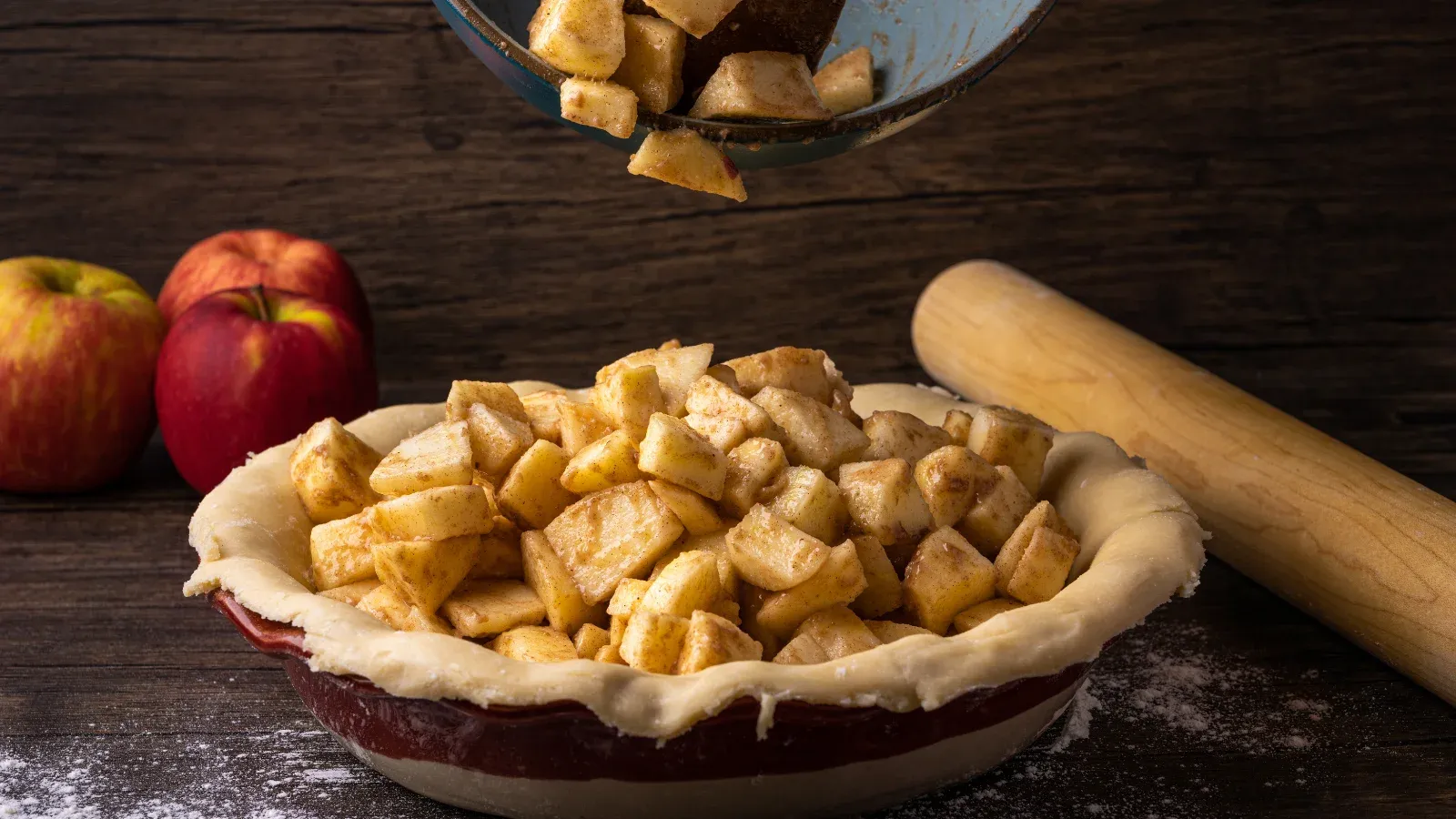
Every October, food culture treats the apple like an excuse for dessert. Orchards fill with visitors picking bushels of fruit only to drown them in brown sugar, cinnamon, rolled oats, and salted caramel. By the second week of the month, kitchens smell exclusively like spiced pie filling, and the actual character of the fruit disappears beneath a wall of cloying sweetness.
Apples are far more interesting when stripped of nostalgia.
From a nutritional and culinary standpoint, an apple is not merely a vehicle for sugar; it is an exceptional source of structural acid, crisp cell walls, and soluble pectin. When paired with fat, salt, smoke, and heat, that sharp acidity cuts through the heaviness of autumn cooking with surgical precision.
Treating apples with unsentimental culinary logic means moving them out of the pie dish and into the cast-iron skillet, alongside pork fat, bitter greens, sharp cheeses, and pungent aromatics.
The Chemistry of Cooking with Pome Fruit
Not all apples belong in a hot pan. The difference between an apple that holds its shape and one that collapses into baby food comes down to cell wall structure and pectin content.
Sweet, tender snacking apples like Honeycrisp or Gala disintegrate under sustained heat because their cellular bonds break down rapidly as water releases. For savory cooking, you require varieties with high malic acid levels and dense, fibrous flesh that can withstand direct heat without losing their bite.
Granny Smith: The baseline standard. Its intense, unyielding acidity balances cured pork, heavy cream sauces, and bitter chicories, while its firm structure survives long braises.
Bramley or Cox’s Orange Pippin: Dense, sharp heirloom varieties that deliver complex tartness with subtle mineral notes rather than pure sugar.
Pink Lady (Cripps Pink): A firm-fleshed modern variety that provides clean, high-acid sharpness with enough residual sugar to caramelize hard against a hot skillet without weeping excess moisture.
1. Skillet-Seared Apples with Berkshire Pork Chops and Sage
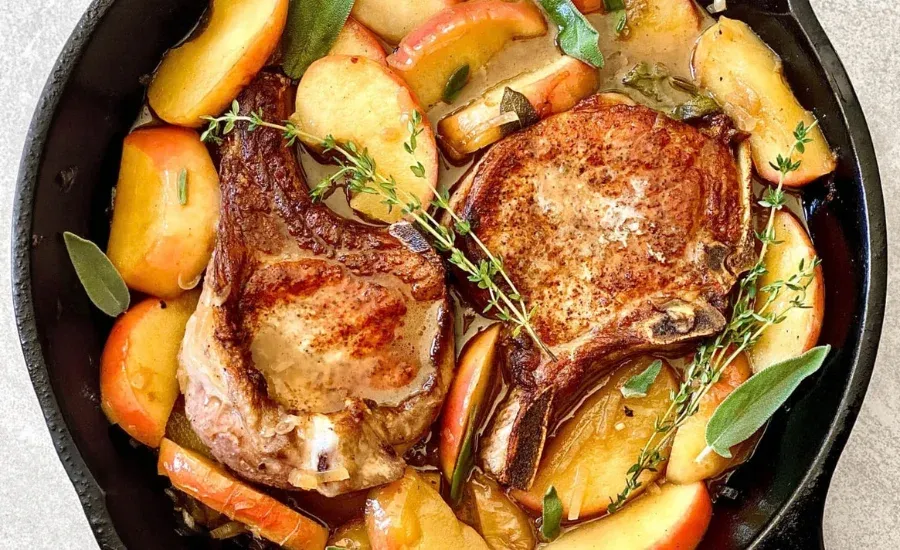
Pork and apples are an ancient pairing, but modern home cooking tends to ruin it by turning the fruit into a sugary applesauce.
The correct technique keeps the fruit savory and distinct. Sear thick, bone-in pork chops in a ripping-hot cast-iron skillet with olive oil until a deep golden crust forms. Pull the chops out to rest, leaving the rendered fat in the pan. Toss in thick wedges of Granny Smith or Pink Lady apples alongside sliced shallots and fresh whole sage leaves.
Do not stir immediately; let the fruit take on a deep brown color from the pan drippings. Deglaze the skillet with a splash of dry apple cider vinegar and a spoonful of sharp Dijon mustard, scraping up the browned bits from the bottom. Nestle the pork chops back into the pan for sixty seconds to coat them in the acidic, savory glaze before serving immediately with cracked black pepper.
2. Shaved Raw Apple and Bitter Chicory Slaw with Aged Manchego
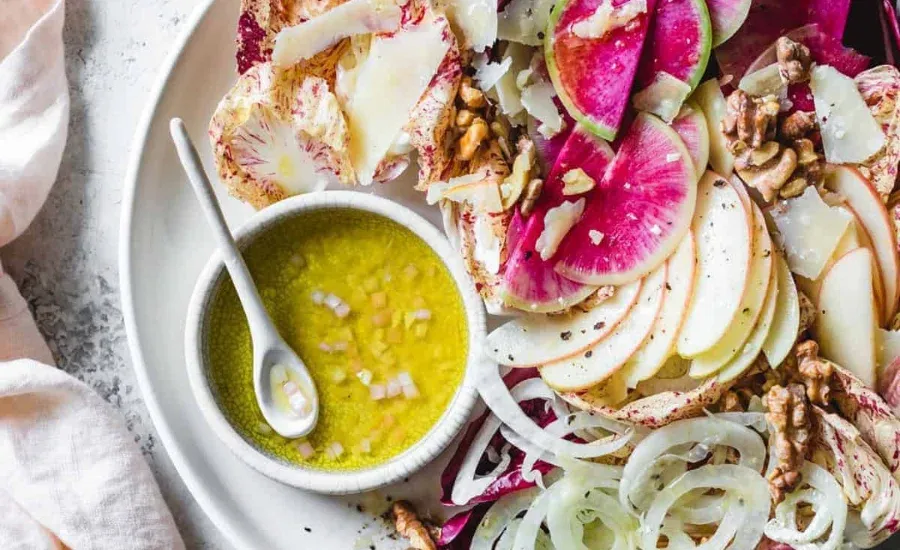
Autumn produce often leans heavily toward starch and slow braises, leaving meals desperate for raw texture and brightness.
Thinly shave Granny Smith apples on a mandoline into matchsticks, tossing them immediately with fresh lemon juice to prevent oxidation and heighten the crunch. Toss the apples with torn leaves of bitter radicchio, Belgian endive, and thinly sliced fennel bulbs.
The dressing should be bone-dry: cold-pressed extra virgin olive oil, whole-grain mustard, a drop of raw cider vinegar, and flaky sea salt. Finish with paper-thin shavings of a sharp, salty cheese like twelve-month Manchego or Pecorino Romano, and toasted, crushed walnuts. The bitterness of the greens and the salty richness of the cheese tame the fruit, producing a clean, electric salad that cuts through rich roasted meats.
3. Slow-Braised Red Cabbage with Apples and Caraway
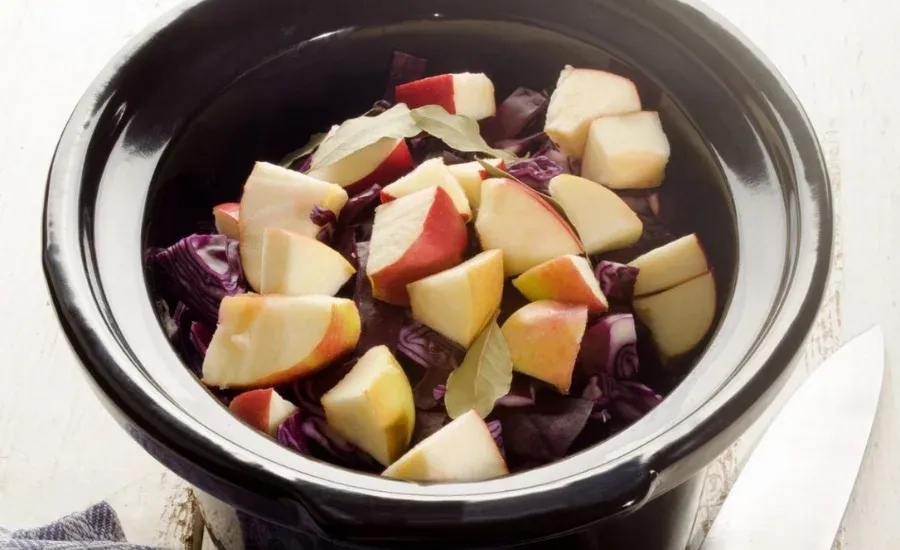
A foundational dish of Central European cold-weather cooking that relies on the natural pectin in apples to create a glossy, velvet texture.
In a heavy enameled Dutch oven, cook thinly sliced red onions in olive oil until soft. Add a finely shredded head of red cabbage, two grated tart cooking apples, toasted caraway seeds, whole juniper berries, and a couple of cloves. Pour in half a cup of dry red wine and a third of a cup of red wine vinegar.
Cover tightly and simmer on low heat for an hour. As the cabbage softens, the grated apple dissolves completely into the cooking liquid, its pectin binding the vinegar and cabbage juices into a luscious, glossy sauce. The finished cabbage is savory, deeply aromatic, and vividly purple, carrying a balance of earthiness and sharp acidity that elevates roasted duck, sausages, or braised lentils.
4. Pan-Roasted Golden Beets and Apples with Crumbled Goat Curd
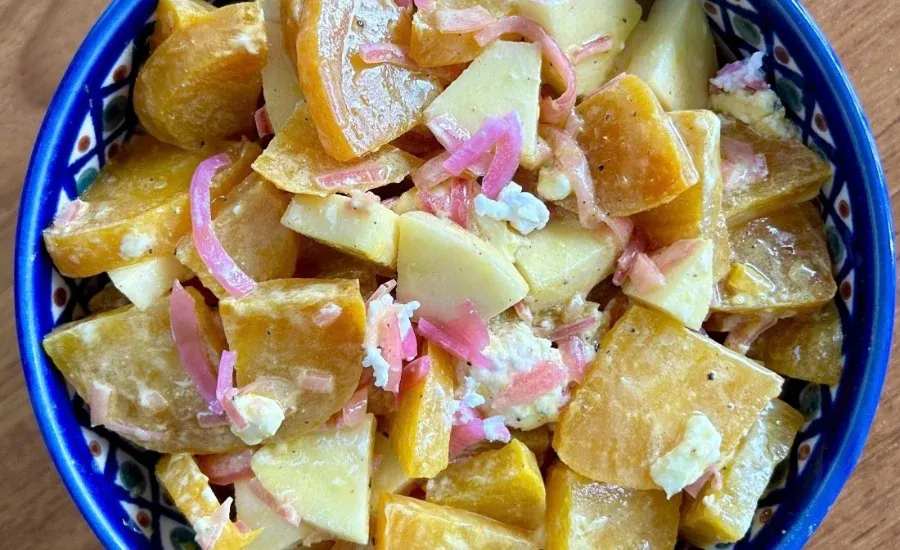
Beets bring earthy, deep sweetness to the plate, which can easily feel muddy without an acidic counterpoint.
Toss cubes of golden beets and firm, unpeeled tart apples with olive oil, salt, and fresh thyme sprigs. Spread them across a rimmed baking sheet in a single layer, ensuring the pieces do not crowd each other so they roast rather than steam. Roast at four hundred degrees until the edges blister and caramelize.
Transfer the warm vegetables to a wide platter, drizzling with a quick vinaigrette made from sherry vinegar and minced shallots. Scatter crumbled, tangy goat curd or fresh feta over the top, letting the cheese melt slightly against the heat of the roasted fruit and roots. It is a hearty, deeply grounding autumn plate that feels substantial without relying on refined carbohydrates.
The Rule for the Autumn Pantry
When working with fruit in savory contexts, avoid treating sweetness as the primary destination. Sweetness in an apple is simply the background note; its real culinary value is its clean, crisp acidity and its ability to absorb savory pan fats.
Put away the brown sugar jar. Grab a bottle of good vinegar, a sharp knife, a heavy skillet, and let the fruit do what it does best: bring life, structure, and bite to the heaviest table.