Forget relaxed corporate-casual. Structural tailoring and fluid silks remain the ultimate armor for corporate ambition.
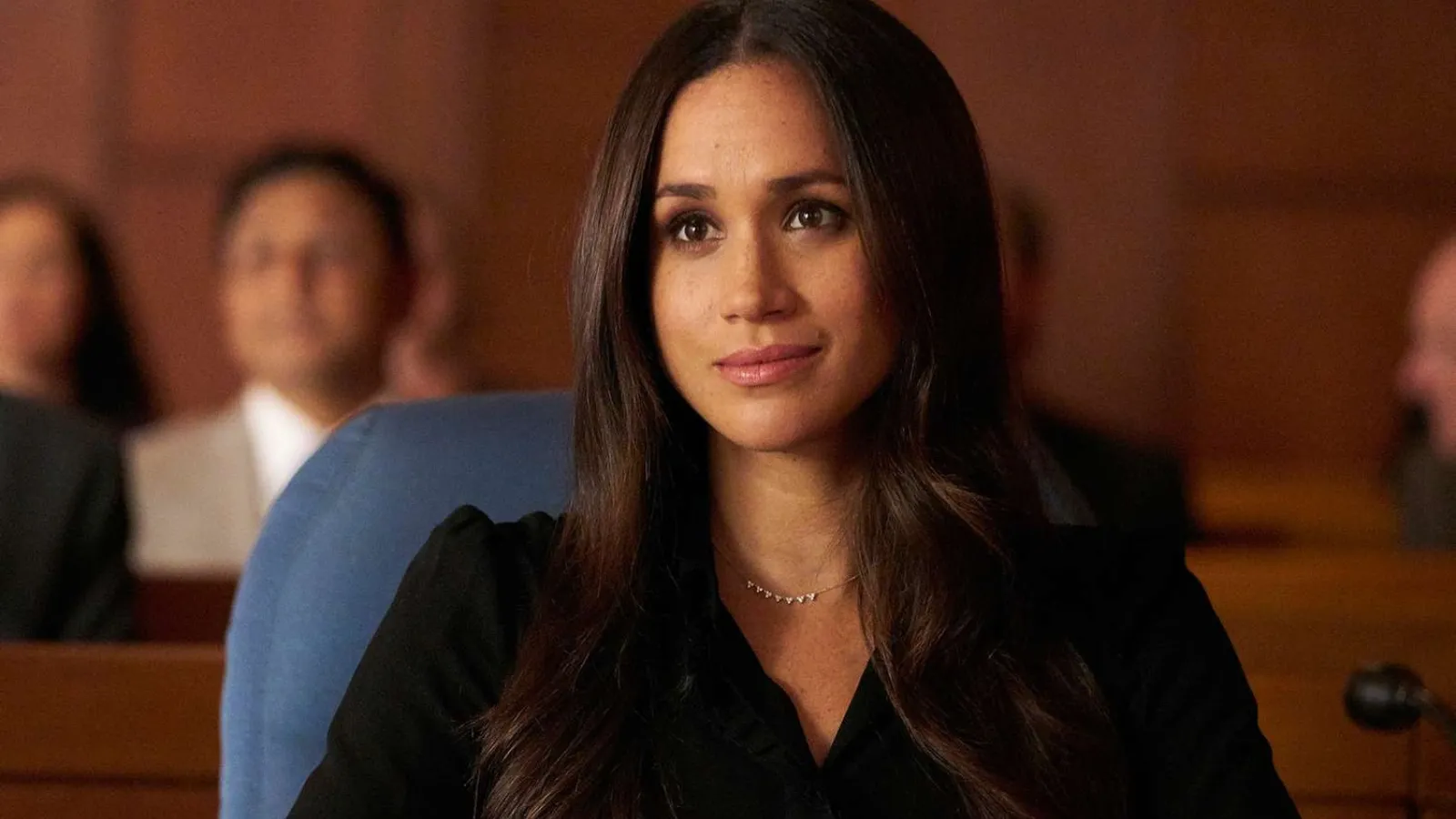
No one commands a boardroom in a crumpled oversized blazer and street sneakers. Rachel Zane didn't become television's sharpest corporate benchmark by chasing trends; she understood that an immaculate high-waisted pencil skirt is structural armor.
Long before the internet made a contact sport out of celebrity discourse and tabloid debates, there was a legal drama set in Manhattan that quietly defined how an ambitious woman dresses for the room she intends to command. Whatever your take on the current media noise, one fact remains untouchable: Rachel Zane possessed the sharpest corporate wardrobe in modern television history
1. The High-Waisted Pencil Skirt as Structural Armor
The core anchor of Zane’s wardrobe was the high-waisted, knee-grazing pencil skirt. Crucially, it was never tight in a nightclub sense. It was structured in heavy double-crepe, stretch virgin wool, or textured tweed that held its shape through twelve-hour days of research and high-stakes negotiations. By sitting cleanly at the natural waist and extending just below the knee, the cut established an architectural silhouette that balanced authority with refined elegance. It proved that professional skirt suiting doesn’t have to look archival or boxy to command respect.
2. Fluid Silks Against Rigid Tailoring
The genius of costume designer Jolie Andreatta was the deliberate play on contrast. You almost never saw Rachel Zane pairing a rigid wool skirt with a stiff, starchy button-down. Instead, the balance came from soft, sand-washed silk blouses, cowl-neck shells, and fluid chiffon in shades of ivory, soft dove grey, and pale blush. The softness of the fabric draped over the structured waistband took the clinical, sterile edge off corporate dress codes, introducing movement and effortless polish into an otherwise high-pressure environment.
3. The Discipline of an Edited Neutral Palette
You rarely saw loud neon, loud florals, or distracting prints walking the polished glass corridors of Pearson Hardman. Her palette remained strictly and ruthlessly edited: camel, slate grey, rich navy, crisp cream, and black, occasionally punctuated by soft blush or rich plum. By keeping the color story cohesive, the focus stayed where it belonged: on the texture of the garments and the quality of the cut. This restraint allowed pieces to be mixed, matched, and repeated seamlessly without feeling tired—a true working capsule wardrobe.
4. The Tailoring Rule: Cut to the Exact Millimeter
The secret wasn't simply designer labels; it was the alterations. Every hem hit precisely where it should, shoulders sat flush with her natural frame, and waistlines were defined without pulling or bunching. It serves as a permanent reminder that off-the-rack luxury means very little without a trusted tailor to calibrate the proportions to your frame. A mid-tier pencil skirt fitted to perfection will always look infinitely more expensive than an un-tailored designer piece.
5. Understated Accessories and Razor-Sharp Leather
Her finishing touches were minimalist, sharp, and functional: classic pointed-toe pumps in rich nude leather or patent black, delicate gold jewelry that never clinked during a boardroom presentation, and structured leather totes devoid of loud logos. The styling never fought for attention; it simply completed the picture with quiet confidence.
The Modern Rachel Zane Capsule Formula
Recreating this aesthetic today isn't about copying each look item-for-item; it’s about adhering to the formula:
The Anchor: A high-waisted pencil skirt in heavy stretch crepe or fine wool (navy, slate, or black).
The Layer: A fluid silk or satin button-down shirt with hidden plackets and softened French cuffs.
The Knit: A fine-gauge ribbed cashmere turtleneck tucked cleanly into high-rise trousers or skirts.