American food culture managed to take one of the most versatile fish in the sea and reduce it to a gray, watery punishment.
For decades, the domestic introduction to tinned tuna has been almost universally grim. It involves shredded, pulverized albacore squeezed dry from a cheap tin, mashed into submission with commercial mayonnaise, and scooped onto soft sliced bread out of grim necessity. At best, it is treated as dormitory sustenance or utilitarian gym fuel: thirty grams of lean protein ingested purely for macronutrient accounting, stripped of any possible sensory pleasure.
Across Southern Europe, the relationship to that exact same pantry tin is unrecognizable. In Greece, Spain, and Italy, canned fish is neither an emergency backup nor a dietary compromise. It is a revered culinary institution.
The divide begins with the liquid inside the tin. Supermarket shelves in the United States remain stubbornly dominated by tuna packed in spring water, a processing choice that leaches the natural fats from the fish, leaving behind a fibrous, metallic mash that demands heavy dairy fats to be remotely palatable.
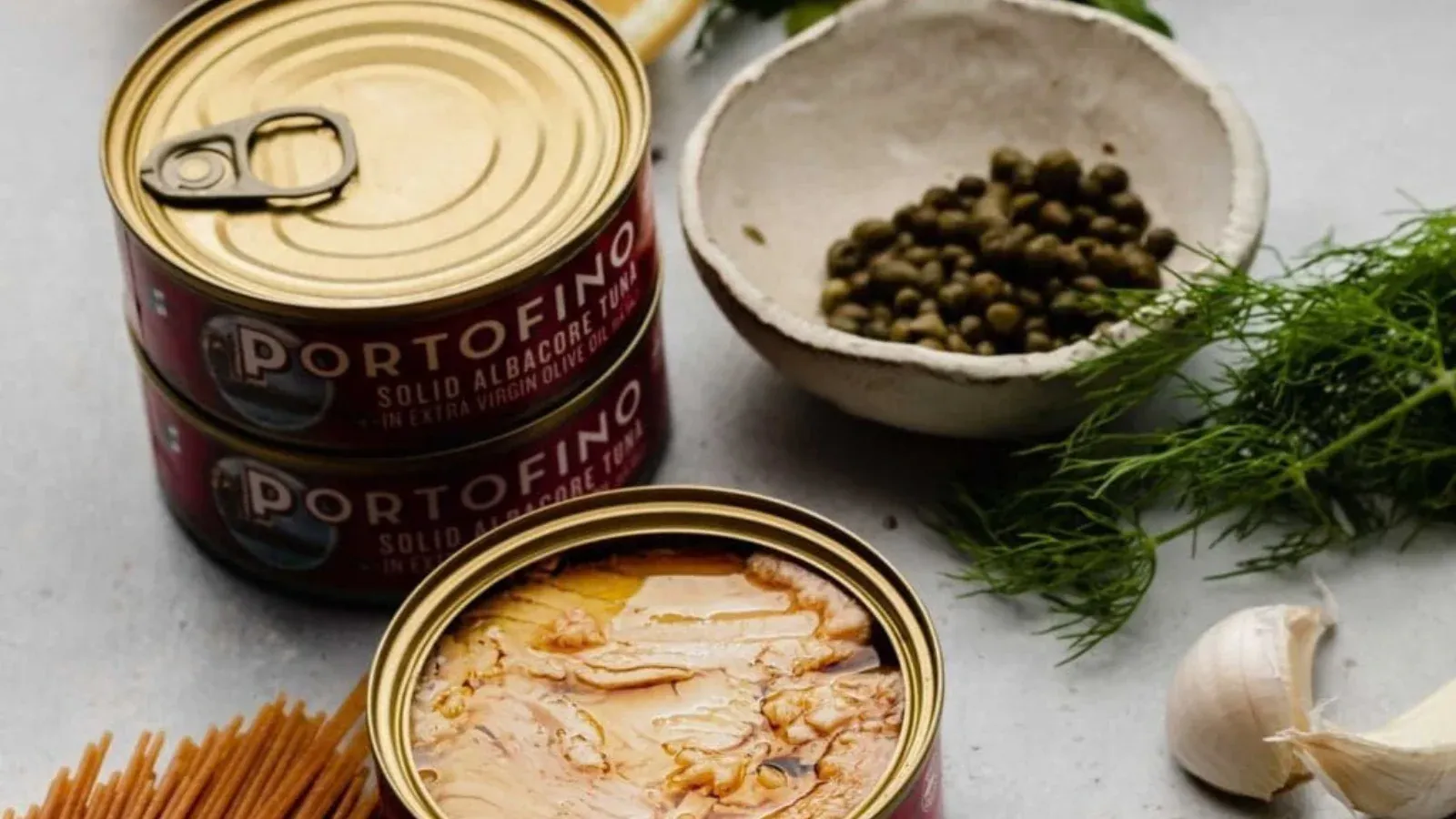
The Mediterranean standard has always rejected water-packing entirely. The fish—whether meaty yellowfin, albacore, or prized ventresca cut from the belly—is preserved whole in golden extra virgin olive oil. That oil is not industrial waste to be drained into the sink and rinsed away. It is seasoned, rich, infused with the essence of the fish, and designed to serve as the emulsifying base of the entire dish.
Once you stop treating tuna like cat food and retire the mayonnaise jar, pantry cooking transforms overnight. You do not need an hour of prep, complicated reductions, or an expensive grocery run to eat with profound elegance on a weeknight. You simply need three quality tins, cold-pressed olive oil, a basket of lemons, and the culinary confidence to let five sharp ingredients do the heavy lifting.
The Golden Rules of Mediterranean Conservas
Before lighting a flame or opening a jar of pulses, the handling of the ingredient must change. High-grade tinned fish requires gentle, unsentimental precision.
First, never drain the olive oil into the drain. The packing oil is an expensive ingredient carrying fat-soluble flavors and delicate salinity. If a preparation requires a lighter touch, reserve the excess oil in a small glass jar to fry eggs the following morning, dress bitter greens, or finish a warm bowl of lentils.
Second, respect the flake. American tuna salad treats the fish like mortar, smashing it into a paste. Mediterranean cooking values structural integrity. Turn the tin upside down gently, letting the whole loin or delicate belly flakes slide out intact. Break the fish with a fork only at the very end of plating, preserving the distinction between the tender fish, crisp vegetables, and tender pulses.
Third, embrace unyielding acid. Tuna is naturally rich, and olive oil amplifies that richness. To bring the dish into vivid equilibrium, you must balance that fat with high-voltage acid: sharp freshly squeezed lemon juice, unpasteurized red wine vinegar, brine-heavy capers, or quick-pickled shallots.
Five-Minute Weeknight Blueprints
These dishes require minimal cookware and almost zero active cooking, yet they deliver the depth and sophistication of a long lunch along the Aegean.
The Aegean White Bean and Herb Toss
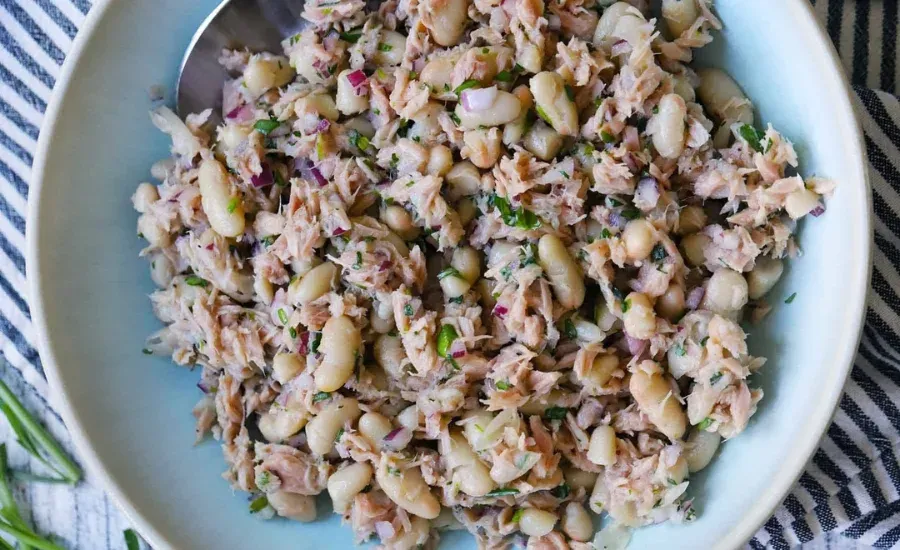
This is the quintessential Greek pantry lunch, relying on the contrast between creamy starches, sharp alliums, and briny seafood.
Rinse and drain a jar of large butter beans, Gigantes, or tender cannellini beans. Slide them into a wide, shallow ceramic bowl. Add half a small red onion shaved paper-thin on a mandoline, two tablespoons of drained nonpareil capers, and a generous handful of flat-leaf parsley chopped coarsely with its tender stems.
Unmold a tin of yellowfin tuna fillets directly over the beans, allowing the fragrant olive oil from the tin to coat the legumes. Squeeze the juice of an entire ripe lemon across the bowl, sprinkle with coarse sea salt and cracked black pepper, and add a heavy pinch of wild dried oregano rubbed between your palms. Toss everything with a light hand, keeping the beans and tuna flakes largely whole. Eat it immediately with crusty sourdough, or let it sit at room temperature for twenty minutes while the starch drinks in the lemon and oil.
Warm Rigatoni with Tuna, Capers, and Wilted Arugula
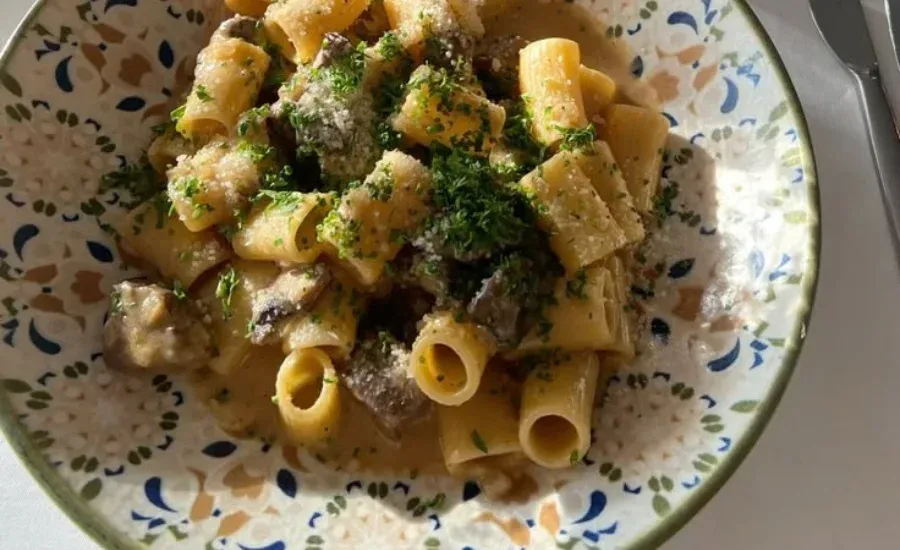
A Roman pantry classic that proves pasta sauce does not need twenty minutes of simmering to develop profound complexity.
Drop bronze-die rigatoni or paccheri into a pot of heavily salted boiling water. While the pasta cooks, build the base directly in a wide, warm serving bowl: a whole tin of olive-oil-packed tuna broken into large chunks, two minced garlic cloves, the finely grated zest of one lemon, a quarter cup of pitted, crushed Kalamata olives, a tablespoon of brined capers, and a generous pinch of red pepper flakes.
When the pasta is two minutes shy of tender, lift it directly from the water into the bowl with a slotted spoon, bringing a splash of starchy pasta water along with it. Add two large handfuls of baby arugula. Toss vigorously for sixty seconds. The residual heat of the pasta warms the tuna, blooms the garlic, melts the olive oil into a glossy emulsion, and gently wilts the peppery greens without turning them to mush. Finish with a final swirl of raw olive oil and black pepper.
Blistered Tomato and Ventresca Toast
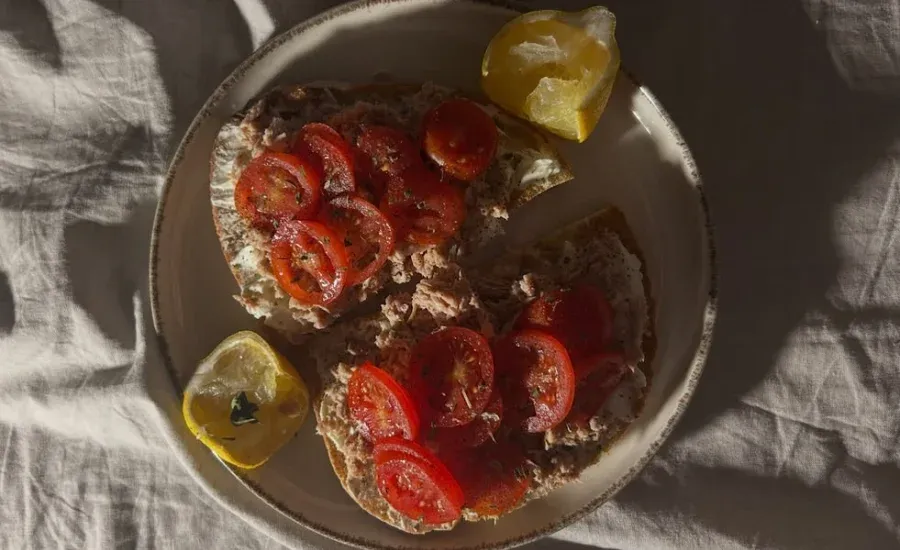
A Catalan-inspired breakfast or late-night supper that honors raw, unmanipulated textures.
Slice a thick slab of country sourdough or rustic levain and toast it until the exterior is deeply browned and crisp. Immediately rub the rough surface of the warm bread with the cut side of a raw garlic clove; the bread will act like a grater, taking on a subtle, sweet perfume without burning your palate.
In a dry, smoking-hot cast-iron skillet, toss a handful of whole cherry tomatoes until their skins blister, burst, and char in spots. Spoon the blistered tomatoes directly over the garlic-rubbed toast, crushing them slightly with the back of a fork so their warm juices saturate the crumb. Lay delicate, buttery sheets of tuna belly across the tomatoes. Finish with a splash of aged sherry vinegar, flaky sea salt, and a scattering of fresh basil or thyme leaves. The interplay between hot bread, sweet blistered fruit, and cold, rich fish is unmatched.
The Sharp Radicchio and Shaved Fennel Bowl
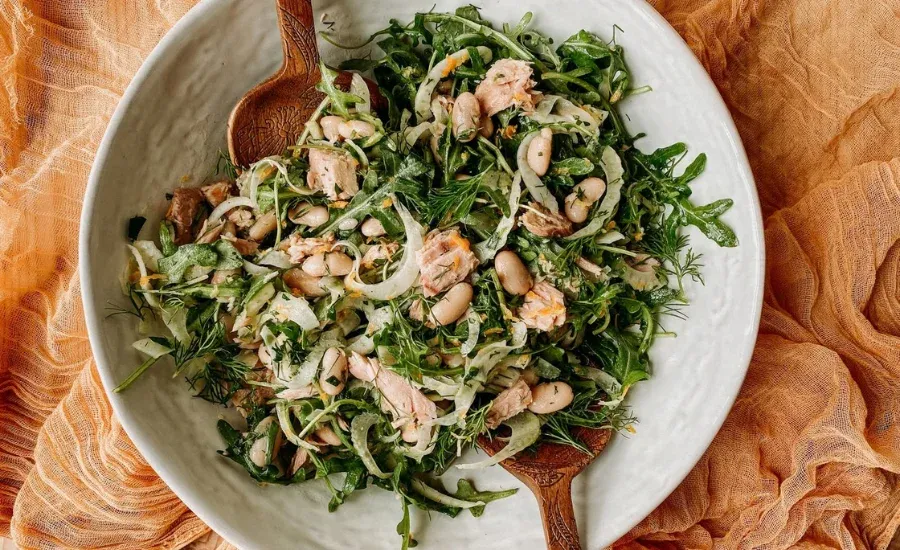
When you need an antidote to rich restaurant dining or a long week at your desk, this intensely crisp, bitter composition resets your palate.
Thinly slice a head of Treviso radicchio or Castelfranco and half a bulb of raw fennel, placing them in ice water for five minutes to maximize their crispness before spinning them bone-dry. Toss the bitter leaves in a wide bowl with paper-thin slices of a tart Granny Smith apple or firm celery ribs.
Whisk together one tablespoon of Dijon mustard, two tablespoons of fresh lemon juice, three tablespoons of cold-pressed olive oil, and a minced shallot. Toss the greens in the dressing until every leaf glints. Gently nestle thick flakes of olive-oil tuna over the center. Scatter toasted pine nuts and shaved aged Manchego or dry mizithra over the top. The bold bitterness of the greens slices through the rich oil, yielding a clean, electric salad that feels restorative down to the cellular level.
The Dignity of the Larder
Living well is not measured by the hours spent laboring over a hot stove or the prestige of your grocery receipts. It is measured by the intelligence of your pantry and the standard of your everyday ingredients.
Canned tuna was never meant to be hidden beneath mayonnaise or eaten out of defeat. When sourced with care, preserved in unadulterated oil, and handled with Mediterranean economy, it is one of the greatest culinary shortcuts in existence. Stock your shelves with metal tins of real quality, leave the stove off, and reclaim the effortless luxury of a four-minute dinner that tastes like the sea.