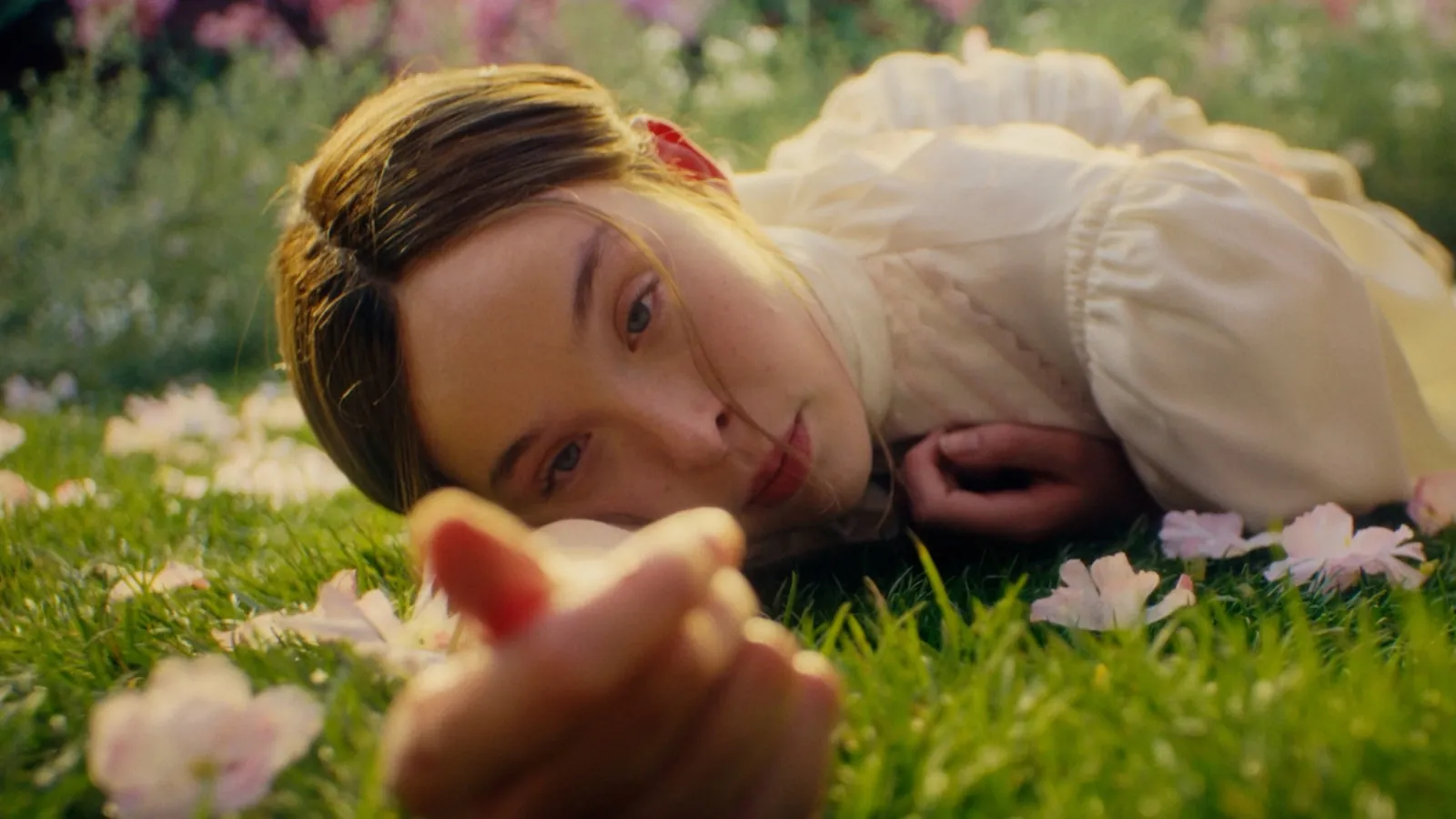
Leave it to Ryan Murphy to turn historical fact into a fever dream of psychological mirrors.
With the latest installment of Netflix’s Monster anthology turning its lens on Lizzie Borden, viewers were treated to an abrupt, disorienting narrative pivot: the unexpected appearance and thematic tethering of Aileen Wuornos. Within minutes of the release, search bars were flooded with the same frantic question: Did Lizzie Borden and Aileen Wuornos actually have a connection?
The short, historical answer is an absolute, chronological no.
Lizzie Borden stood trial for the brutal 1892 axe murders of her father and stepmother in Fall River, Massachusetts, dying an ostracized socialite in 1927. Aileen Wuornos was not born until 1956, embarking on her highway killing spree along Florida’s interstate corridors nearly a century after the Borden murders took place.
So why did the series force these two figures into the same frame? The answer lies in television’s eternal obsession with the archetype of the female killer—and the refusal of pop culture to let complex, violent women exist without fitting into a curated aesthetic.
The Myth of the Monstrous Feminine
In true Murphy fashion, the narrative link between Borden and Wuornos is not meant to be biographical; it is an ideological hallucination.
When society looks at male serial killers, the cultural instinct is clinical: we catalog their signatures, analyze their pathology, and document their trial transcripts with grim fascination. But when a woman commits extreme, lethal violence, the cultural reaction splinters into two distinct, polarized camps: she is either an innocent, fragile victim driven to madness by circumstance, or an inhuman, camp villain worthy of gothic horror.
By bridging Borden and Wuornos, the series attempts to draw a straight line through the psychological evolution of female violence in America:
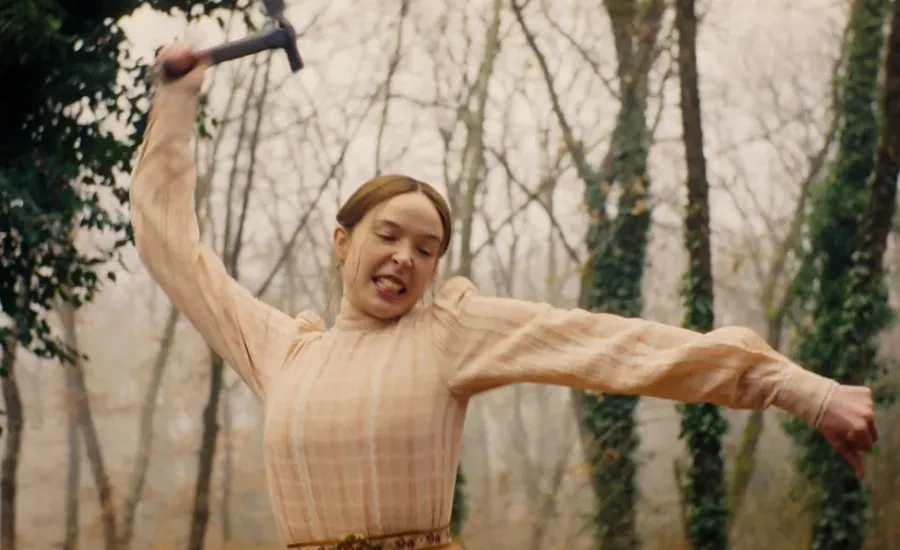
The Domestic Enigma (Borden):
Borden represents the Victorian horror of domestic revolt. A church-going spinster trapped within the suffocating, patriarchal cage of late-19th-century domesticity, she wielded a wood-chopping hatchet in broad daylight—and was ultimately acquitted because an all-male jury simply could not comprehend that a "lady" was capable of slaughter.
The Outcast Survivor (Wuornos):
Wuornos represents the late-20th-century systemic failure. Marginalized, abused, and surviving on the absolute fringes of society as a highway sex worker, her violence was visceral, desperate, and retaliatory. Unlike Borden, there was no Victorian decorum or family wealth to shield her; the state executed her in 2002.
Linking the two serves as a meta-commentary on how media consumes female rage: Borden was romanticized in skipping-rope rhymes, while Wuornos was demonized, sensationalized, and turned into tabloid fodder long before Hollywood picked up her story.
Fiction vs. Forensic Truth
While weaving Wuornos into the Borden timeline provides an undeniable shock-value hook for streaming audiences, conflating their stories erases the actual sociopathy and circumstances of both women.
Borden lived out her days in quiet wealth, purchasing a luxurious home named Maplecroft and attending the theater, shrouded in lifelong suspicion. Wuornos died by lethal injection after years on Florida’s death row, completely abandoned by every institution meant to protect vulnerable women.
Television loves to package female violence into an overarching, cinematic mythology. But treating these crimes as shared spiritual ancestry misses the grimmest truth of all: Lizzie Borden and Aileen Wuornos had nothing in common except a culture that could never look away from the spectacle of a woman holding a weapon.