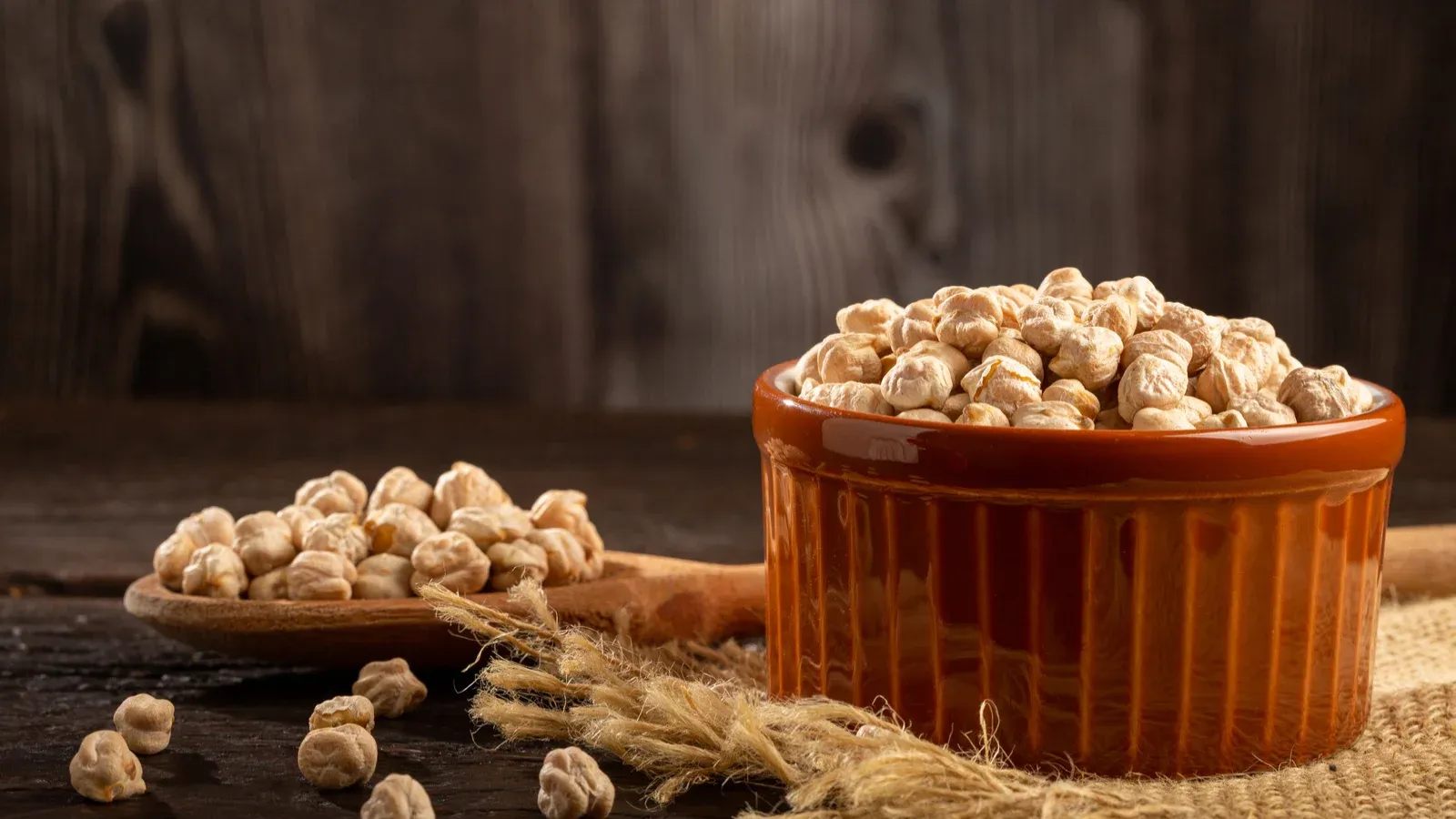
For decades, the chickpea was trapped in culinary purgatory: either mashed into grainy grocery store hummus or tossed cold into sad desk salads as an apologetic source of vegetarian protein. It was viewed as a utilitarian pantry filler—cheap, dense, and distinctly unglamorous.
High-end dining has officially ended that era.
From Michelin-starred dining rooms in Paris to minimalist wine bars in Manhattan, the humble legume has been aggressively reclaimed. Chefs aren't interested in the predictable vegan health-halo; they are capitalizing on the chickpea’s starch architecture, high fat-binding capacity, and deep savory depth when pushed through classical technique.
Here is how top-tier kitchens are elevating the grain into a luxury centerpiece—and how to steal the method for home cooking.
1. The Death of Canned Brine: Classical Slow-Simmering
The fastest way to ruin a chickpea dish is to open a tin of pre-cooked legumes suspended in metallic, cloudy water. Upscale kitchens treat dried chickpeas with the same exacting ritual as a heritage poultry stock.
The technique relies on small-batch dried varieties—like Italian ceci neri (black chickpeas) or tiny Spanish pedrosillano garbanzos—soaked overnight with a precise ratio of salt to soften the pectin in the seed skins without dissolving them into mush.
Instead of a rolling boil, they are gently poached in an aromatic court-bouillon: halved heads of garlic, dried bay leaves, charred onion skins, and parmesan rinds submerged in mineral water. The legumes emerge silky, completely intact, and saturated with savory lipids from within, rather than merely dressed in seasoning after the fact.
2. Panisse: The Savory Provençal Polenta Cut
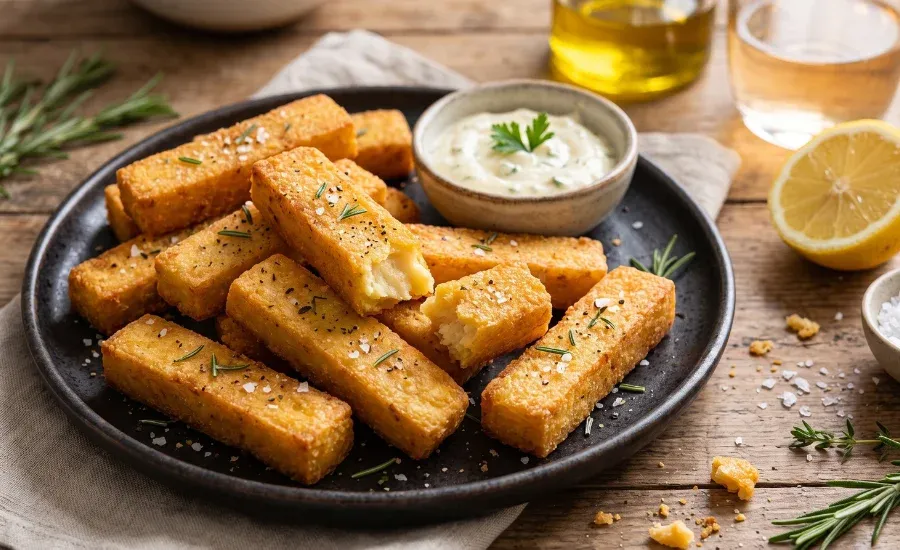
One of the sharpest appetizer trends migrating across tasting menus is panisse, the traditional chickpea flour fritter of Nice and Marseille.
High-end kitchens cook chickpea flour (besan) with rich poultry stock, olive oil, and rosemary until it forms a dense, glossy polenta-style base. The mixture is poured into shallow sheet pans to chill, set firm, and cut into sharp batons or geometric cubes.
Flash-fried at 375°F (190°C) in clarified fat, panisse delivers an incredible textural contrast: a glass-shattering crisp exterior that gives way to a molten, custard-like center. Paired with preserved lemon aioli, shaved bottarga, or white truffle emulsion, it has replaced the predictable potato frites as the ultimate aperitivo companion.
3. Ultra-Emulsified Silk Purées
Forget coarse, garlic-heavy dips. Fine dining has turned chickpea purée into an exercise in high-sheen geometry.
To achieve this, kitchens cook dried chickpeas until the skins practically slip off, pass the hot legumes through a fine tamis (drum sieve) to eliminate cellulose, and emulsify them in a Vitamix with hot cooking reduction, ice-cold rendered butter, and single-estate finishing olive oil.
The resulting purée is closer to a Joël Robuchon potato purée than a mezze dip: completely pale, impossibly light, and devoid of graininess. Chefs use it as a rich, velvety foundation for seared diver scallops, slow-braised short ribs, or roasted chanterelles.
4. Charred and Crisped as a Savory Crunch Layer
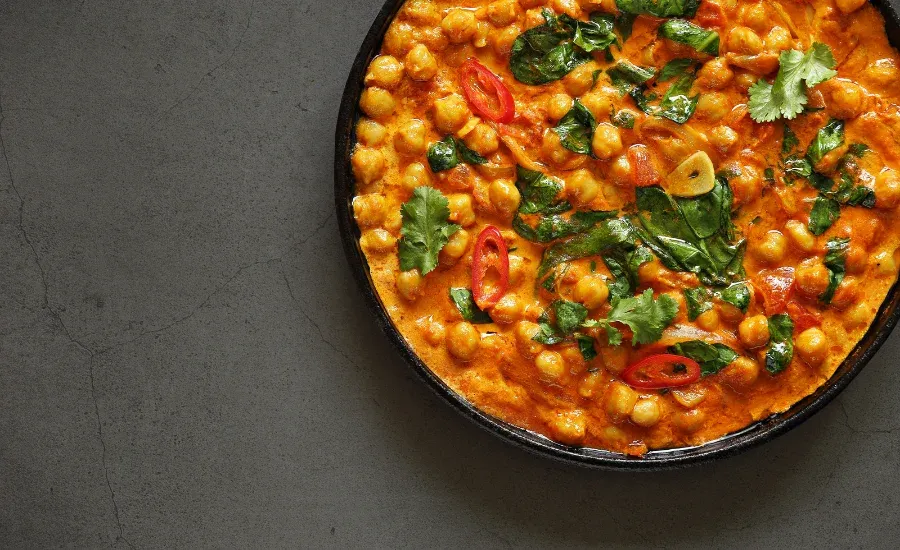
Chefs are ditching heavy bread croutons and toasted nuts in favor of flash-crisped chickpeas as a textural garnish.
Tossed in duck fat or tallow with smoked sea salt and sumac, slowly dehydrated, and blasted under high convection, they shatter between the teeth without the hard, jaw-breaking bite common to commercial snacks. They bring earthy crunch and nuttiness across everything from charred radicchio salads to roasted marrow bones.