
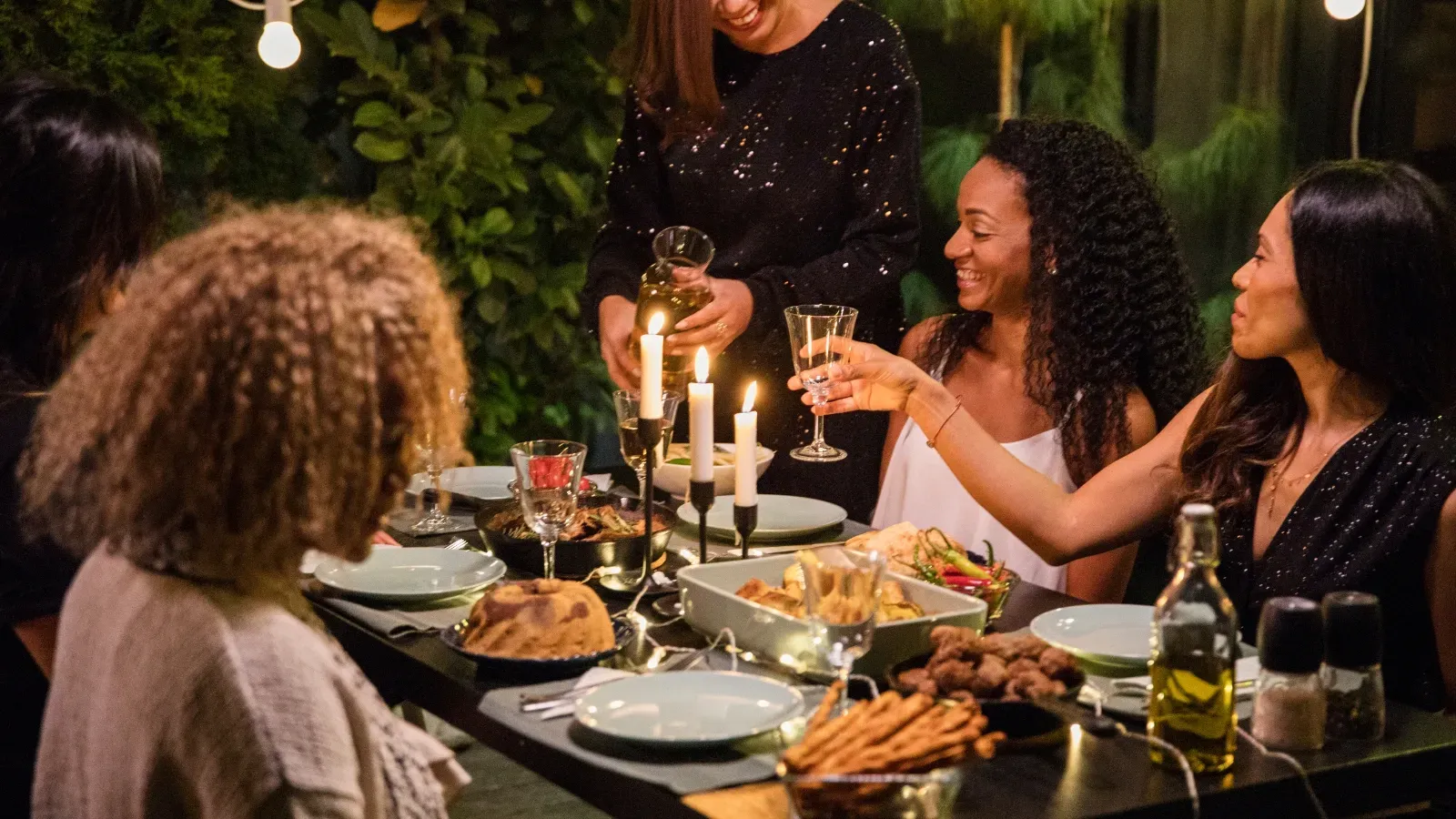
If you genuinely enjoy having people over, creating a warm atmosphere, and bringing friends together, but the moment someone suggests a dinner party, your brain immediately spirals: multiple courses, complicated recipes, timing everything perfectly, that one dish from Pinterest you pinned three years ago… then this is the article for you!
Because the truth that nobody talks about enough is that you don't have to love cooking to be a great host. The point of a dinner party isn't to audition for Top Chef—it's to create an environment where people feel welcomed, comfortable, and connected. And you can absolutely do that with minimal time in the kitchen.
Reframe What Hosting Means
The pressure to cook everything from scratch is a myth perpetuated by cooking shows and Instagram. Your guests are coming for the experience, the conversation, and the company—not to critique your culinary skills.
Think about your favorite dinner parties you've attended. What made them memorable? Probably the laughter, the stories, the atmosphere. Rarely do people walk away saying, "that was amazing because the risotto was perfectly al dente." They remember feeling seen, heard, and welcomed.
So give yourself permission to prioritize hospitality over homemade. Your role is that of curator and host, not a professional chef.
Strategic Menu Planning: Work Smarter, Not Harder
The Three-Tier System
Plan your menu using this simple framework:
- One thing you buy (charcuterie, bakery bread, dessert from a good local spot)
- One thing you assemble (salad, cheese board, simple pasta)
- One thing your guests bring (assign wine, appetizer, or dessert)
This takes pressure off you while making guests feel involved. People genuinely like contributing—it gives them a role in the evening.
Embrace the Build-Your-Own Format
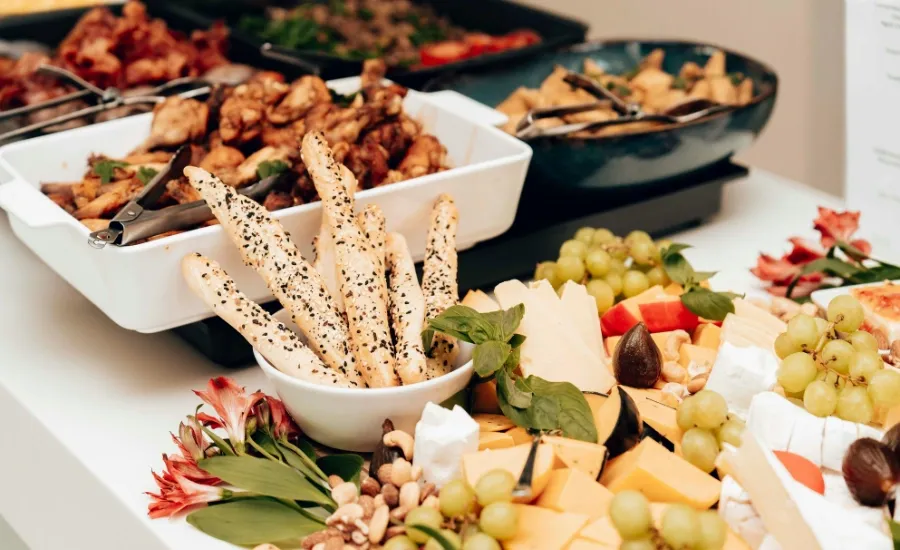
Build-your-own stations are a non-cook's best friend. They're interactive, fun, and require minimal actual cooking:
- Taco bar: Store-bought rotisserie chicken, pre-made guacamole, jarred salsa, tortillas, toppings
- Pasta station: Cook pasta (literally boil water), offer 2-3 jarred sauces, add grilled vegetables from the deli, fresh parmesan
- Flatbread pizzas: Pre-made naan or flatbread, store-bought sauce, variety of toppings, bake for 10 minutes
- Mediterranean mezze: Hummus, pita, olives, feta, roasted red peppers (all store-bought)
- Burger bar: Quality frozen patties or pre-formed from butcher, fancy buns, interesting toppings
The beauty of this approach? Minimal cooking, maximum participation, and if something isn't perfect, it's not entirely your responsibility.
The One-Pot Wonder
If you're doing any actual cooking, choose dishes that require one pot and minimal technique. Slow cooker meals are gold: throw everything in hours before guests arrive, walk away, come back to something that smells amazing.
Other low-effort mains:
- Sheet pan dinners (toss protein and vegetables with oil and seasoning, roast)
- Rotisserie chicken elevated with nice sides
- Pre-marinated meats from the grocery store grilled or baked
- High-quality frozen lasagna doctored up with fresh herbs and extra cheese
- Chili or soup made earlier in the week, reheated
Bonus: All of these can be prepped in advance, which means you're not stuck in the kitchen when guests arrive.
Store-Bought Is Fine (Actually, It's Great)
Remove the packaging, arrange it nicely on real dishes, and suddenly that grocery-store dip becomes "this delicious spread I put together." Here's your permission slip to outsource:
Appetizers That Look Impressive But Aren't
- Cheese board: Buy 3 cheeses (soft, hard, something interesting), add crackers, fruit, nuts, jam
- Charcuterie: Deli meats, olives, pickles, mustards, bread—arrange on a wooden board
- Crudité platter: Pre-cut vegetables (or whole Foods salad bar), high-quality dip
- Bruschetta: Toasted baguette slices, jarred bruschetta topping, fresh basil on top
- Fancy nuts: Buy flavored or spiced nuts, put in a nice bowl
- Store-bought spanakopita, samosas, or spring rolls heated in oven
The key is presentation. Use actual dishes, not the plastic containers things came in. Add fresh herbs as garnish. Suddenly everything looks intentional.
Sides Made Easy
- Pre-washed salad mix + good dressing + toppings (nuts, cheese, dried fruit)
- Bakery bread warmed in the oven with butter
- Frozen vegetables roasted with olive oil and garlic
- Pre-made deli salads (pasta salad, potato salad) transferred to nice bowl
- Rice pilaf from a box (seriously, no one will judge)
Pro tip: Having three different colors on the plate makes everything look more impressive. Green salad, orange roasted carrots, white rice—instant visual appeal.
Dessert Is the Easiest Course
Never, ever feel obligated to bake (unless you love baking!). Buy from a local bakery, a nice grocery store, or even a good chain. Serve with coffee or tea. Done.
Easy dessert wins:
- Quality ice cream with toppings bar (sauces, nuts, whipped cream)
- Fruit and cheese as a "dessert course"
- Store-bought pie or cake, warmed, with vanilla ice cream
- Chocolate fondue with store-bought pound cake and fruit for dipping
- Cookies from a good bakery with coffee
If you want to make one thing, make it dessert—people are impressed by homemade sweets, and most desserts can be made the day before.
Drinks: The Secret Weapon
Good drinks distract from simple food. Invest your effort here instead of complicated cooking.
The Signature Cocktail Strategy
Choose one cocktail, make a big batch before guests arrive, and you're done playing bartender. Simple options:
- Sangria (wine + juice + fruit + let it sit)
- Moscow Mules (ginger beer + vodka + lime)
- Aperol Spritz (Aperol + prosecco + soda water)
- Margaritas (tequila + lime + triple sec, blend or shake)
- Mulled wine in winter (wine + spices + simmer)
Always have wine, beer, and non-alcoholic options available too. Not everyone wants cocktails.
The Self-Serve Bar
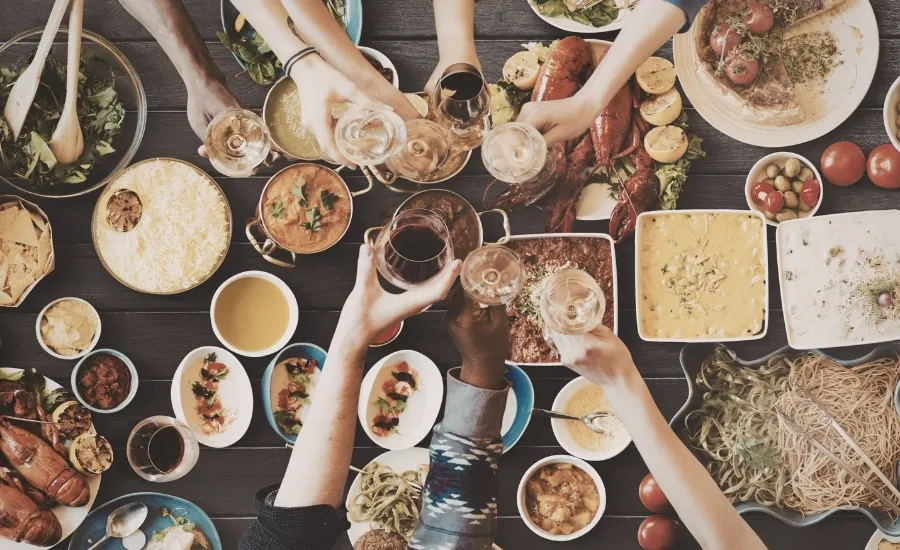
Set up a drink station with ice, glasses, wine, beer, mixers, and garnishes. Let guests help themselves. This keeps you out of the kitchen and creates a casual, relaxed vibe.
Atmosphere Is Everything
This is where you can really shine as a host, regardless of your cooking skills.
Set the Scene
- Lighting: Dim overhead lights, use candles and lamps for a warm ambiance
- Music: Create a playlist beforehand, keep volume low enough for conversation
- Table setting: Use real plates and napkins (cloth if you have them), add flowers or greenery
- Temperature: Make sure your space is comfortable
- Seating: Arrange furniture to encourage conversation
You don't need expensive decor. Clean space, good lighting, and thoughtful touches make people feel cared for.
The Clean Kitchen Rule
Before guests arrive, clean your kitchen and put away anything you're not actively using. A cluttered, messy kitchen broadcasts stress and chaos. A clean kitchen, even if you used shortcuts, looks intentional and welcoming.
The Day-Of Game Plan
Timeline for stress-free hosting:
Two days before:
- Finalize menu and make grocery list
- Confirm who's bringing what
- Deep clean common areas
Day before:
- Shop for everything
- Make any dishes that can be refrigerated
- Set the table if you have space
- Create your playlist
Day of (morning):
- Prep appetizers and arrange on platters, cover with plastic wrap
- Prep any vegetables or sides that need cooking
- Make signature cocktail if doing batched drinks
Two hours before:
- Start any cooking that needs to happen
- Set up drink station
- Do final apartment tidy
One hour before:
- Shower and get dressed
- Light candles
- Start music
- Take three deep breaths
The goal is to be dressed, calm, and ready to greet guests—not frantically cooking when they arrive.
Managing Hosting Anxiety
If you're anxious about hosting, you're not alone. Here's what helps:
- Start small: Host 2-3 people before attempting a crowd
- Be honest: "I'm not a big cook, so we're keeping it simple tonight" sets expectations
- Have backup: Keep frozen pizza or takeout menus handy just in case
- Remember: People want to spend time with you, not judge your cooking
- Let go of perfection: Something will probably go wrong, and that's okay
The best hosts are present and engaged, not stressed and hiding in the kitchen. If outsourcing food means you can actually enjoy your own party, that's the right choice.
You're Already Enough
Hosting isn't about performing domestic perfection. It's about creating space for connection, laughter, and shared experience. Your willingness to open your home and bring people together is what matters—not whether you made the hummus from scratch.
So yes, buy the premade appetizers. Use the good grocery store's prepared foods. Ask guests to bring wine. Set up a taco bar with mostly store-bought components. Put dessert on nice plates and call it a day.
Your friends want to see you, not judge your cooking skills. And honestly? They'll probably be relieved you're not serving some complicated seven-course meal that keeps you trapped in the kitchen all evening.
Host the party. Buy the shortcuts. Enjoy your people. That's what entertaining is really about.