
I started four separate books in July. I finished one, and I am reasonably certain that only happened because I was on a plane with no wifi and a phone at three percent.
The other three are stacked on my nightstand in the formation they have held since roughly the fourteenth, serving as a side table for a water glass and, once, a bowl of olives. One of them has a receipt wedged in it as a bookmark, at page 61, which appears to be the precise coordinate at which I abandon literature.
If your July stack looks similar, I have something better than reassurance. August is the slowest month in publishing, and it is slow on purpose.
The industry front-loads June and July with beach reads, then saves September for the prestige titles angling for award season. August is the gap in the middle. Fewer releases, less noise, and an actual window to catch up before fall arrives and buries all of us in hardcovers.
So this list is divided into two halves. What is genuinely worth interrupting your backlog for, and how to finish the books already glaring at you.
Worth Interrupting Everything For
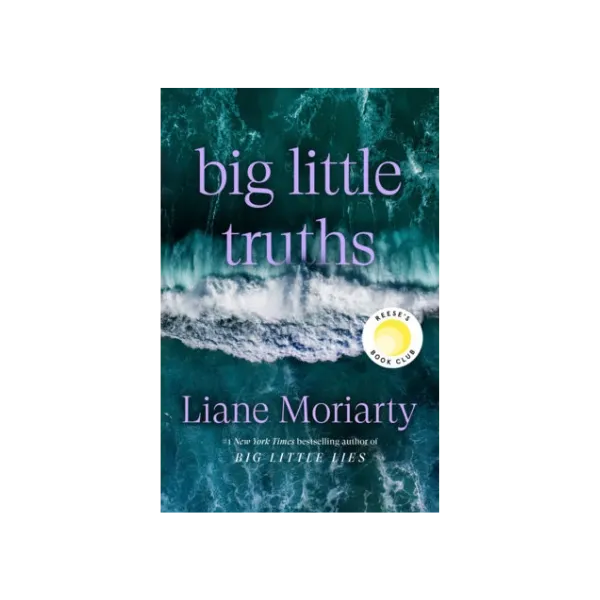
Big Little Truths by Liane Moriarty, out August 11. Moriarty is returning to the world of Big Little Lies, which almost nobody expected, and the new novel revisits the same five mothers. Given that the original became a cultural event with an HBO adaptation and a cast that could open a small country, this is going to be the book everyone at work has an opinion about by the second week of August. Read it early or spend a month conducting careful conversational detours at every dinner party you attend.
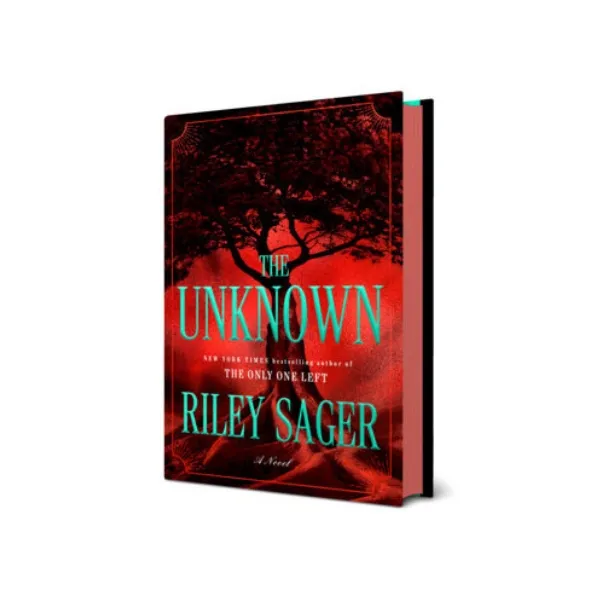
The Unknown by Riley Sager. The setup is almost annoyingly good. In 1926, five women vanished from a remote island in Vermont. A century later it is happening again. Sager writes the kind of thriller that respects your intelligence and still keeps you up until one in the morning, which is a narrow skill and an underrated one.
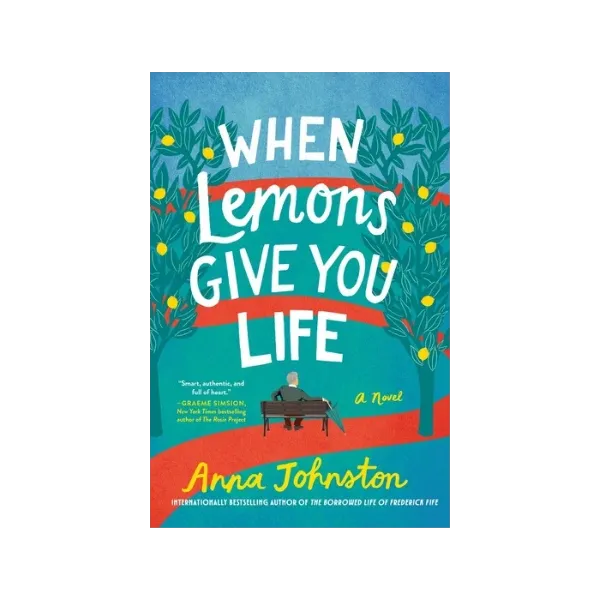
When Lemons Give You Life by Anna Johnston. A retired chef, family secrets, second chances. Johnston wrote The Borrowed Life of Frederick Fife, which turned an enormous number of people into evangelists last year, and this one appears to work the same emotional territory. If your July reading was heavy and what you actually need is something with genuine warmth in it, start here and skip the rest of this section.
Also arriving this month: a new Karin Slaughter, a Linwood Barclay family thriller, and another Janice Hallett puzzle for anyone who has fallen down that particular hole. All perfectly good.
None of them urgent enough to jump the queue ahead of what you already own and have already paid for.
Now, the Pile
Here is what I have learned about abandoned books, mostly through extensive personal research.
The book is usually fine. The format has stopped working. If you are a hundred pages into something you genuinely like and have not opened it in two weeks, buy the audiobook and carry on from where you stopped. Your commute, your kitchen, your walk to the train. I have finished at least six books this way that would otherwise still be at page 61 with a receipt in them.
Page fifty is your exit. If you are not in by then, you may stop. Nobody is grading this, and no one has ever asked me to justify a DNF. The idea that finishing every book you start is a moral position was invented by people who had fewer options and no phones, and it has caused an extraordinary amount of unnecessary guilt.
Run two at a time. One demanding, one easy. The demanding one for a Sunday morning when your brain is working, the easy one for eleven at night when it is not. Trying to read a difficult novel exclusively at bedtime is how difficult novels end up unfinished, and it says nothing whatsoever about your attention span.
Check the paperback dates. Almost everything that came out in hardcover last summer is landing in paperback right now, at roughly half the price and a third of the weight, which matters more than anyone admits. If your resistance to a title is partly that it costs thirty dollars and does not fit in your bag, that problem has quietly solved itself.
The One Piece of Actual Strategy
If you are going to buy anything new this month, buy the Moriarty in hardcover and everything else in paperback or audio.
Big Little Truths will be discussed constantly, aggressively spoiled on social media, and probably optioned before Labor Day. There is genuine value in being current on that one. The rest will wait, and will be cheaper in six months when the conversation has moved elsewhere.
That is the entire system, and it takes about four minutes to set up. Buy one thing at full price because you want to be in the conversation. Move the stalled books to audio. Abandon anything that has not convinced you by page fifty, without a word of apology to anyone, including yourself.
I am going to finish the receipt book this week. It is a good book. I have simply been treating it as furniture since the fourteenth, and, as established, August is the month we fix that.