
An unwritten guarantee circulates quietly among ambitious women in their twenties: master the script, check every designated box, and the romantic ledger will eventually balance itself out.
Years go into building a serious career, securing financial autonomy, buying beautiful furniture, keeping the body strong, and refining the mind. Adult life gets treated like a demanding syllabus where competence naturally yields a dignified reward. The assumption is clean, elegant, and almost mathematical: high standards are magnetic, self-sufficiency commands respect, and modern men are searching for an equal partner to build an enviable life alongside.
Then thirty-five arrives, and reality delivers a grown man who breaks into a sweat when asked to book a table for dinner seventy-two hours in advance.
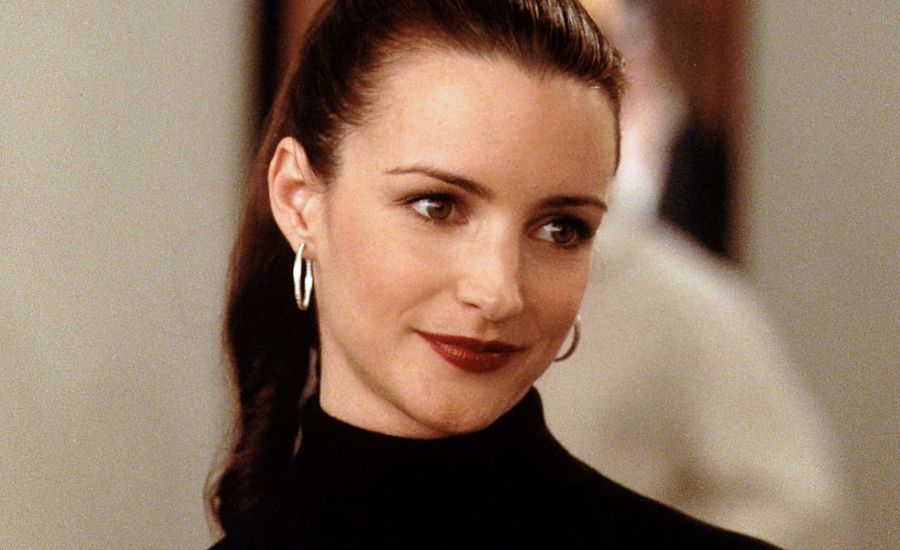
Charlotte York spent six seasons of Sex and the City being mocked for her Park Avenue romantic calculus, but her fundamental approach had clarity and nerve. She approached courtship with the clear-eyed discipline of an acquisitions board, treating marriage as an open joint venture with clear, reciprocal terms. The trouble today has nothing to do with women demanding the moon. The trouble is an open market saturated with chronic emotional cowardice masquerading as low-key spontaneity.
In an era of infinite algorithmic supply, having one's life meticulously assembled rarely inspires matching effort. Far more often, it draws in spectators.
A certain class of men finds sharp composure irresistible on a Tuesday evening, only to recoil by the weekend when that same composure comes with an unmovable calendar. A woman who owns her home, handles her money, and asks for no salvation strips away the ancient illusion of male utility. If a man cannot offer tangible security, and he lacks the spine to offer genuine presence, he stands empty-handed, confronted by his own lack of weight.
Attempts to soften those edges are an exercise in quiet humiliation. There were seasons spent wondering if being decisive looked cold, or if high expectations seemed unforgiving. Women sip cocktails across from men who ramble about existential confusion over expensive bourbon, smiling through the boredom just to avoid looking severe. Vagueness gets excused as modern casual charm, and last-minute check-ins are treated as spontaneous romance.
The deep exhaustion of that era has nothing to do with coming home to an empty foyer. It comes from tolerating interactions that violate basic adult standards. Diminishing an established life simply to become palatable to someone who never learned how to show up on time is a terrible trade.
The shift happens the moment a woman realizes that being single in her late thirties is an indicator of taste, not a defect in her personality.
A life built on financial solvency, intellectual curiosity, and aesthetic peace is a fortress. Letting someone across that threshold requires more than a charming smile and an ambiguous promise of weekend plans. A partner is neither a trophy earned for surviving personal development nor a missing puzzle piece required to validate adulthood. A real relationship is a rare, deliberate addition to an already calm, beautiful room. If an encounter brings zero wit, no shared drive, and hesitation around basic consideration, it is simply friction taking up space.
Standing thirty-five and single is not a personal failure. It is the natural cost of keeping standards intact in a culture built on shortcuts. Taking up the entire middle of a large bed, sleeping in a quiet house, and waking up without a trace of manufactured chaos will always beat negotiating basic manners with someone who thinks picking a restaurant is an extreme sport.