The first time a dermatologist held a handheld mirror in front of my face and asked me to scowl, I was thirty-two years old and sitting under buzzing fluorescent bulbs that stripped away whatever flattering warmth my bathroom vanity usually offered. She examined my forehead with the neutral curiosity of an architect surveying settling foundations, tracing the faint shadow between my eyebrows where the skin had begun to crease into two distinct vertical lines.
Those marks had formed through years of squinting at poorly lit screens, worrying over rent increases, and grimacing through long shifts that demanded constant, polite composure. She explained that relaxing those muscles early would keep the creases from carving themselves permanently into the dermal layer over the next five years, speaking with an even, sensible tone that made the entire proposition sound as routine as replacing the worn brake pads on an aging car.
Walking out of that clinic into the afternoon glare, the decision felt entirely matter-of-fact. Over the past decade, however, the commercial landscape around female grooming has wrapped standard medical procedures in the suffocating language of emotional healing and personal virtue. Billboards and curated social media accounts insist that booking an appointment with a syringe represents an act of radical self-love, a tender ritual of self-reclamation, or an inspiring celebration of modern autonomy. The entire industry insists on treating a vial of diluted neurotoxin like lavender bath salts, eager to grant moral permission to women who simply want their skin to look smoother than it currently does.

The reality of the exchange remains stubbornly plain. Paying someone several hundred dollars to temporarily freeze facial nerves so the forehead appears calm and untroubled is basic physical maintenance. It functions as an aesthetic choice negotiated within a society that rewards female symmetry and treats visible exhaustion with subtle condescension, regardless of whether a woman manages a household, works behind a retail counter, or teaches a classroom full of children. Acknowledging that commercial reality allows a person to sit in the treatment chair with total clarity, shedding the obligation to invent emotional poetry around a standard retail purchase.
That initial booking came from an accumulation of very ordinary frustrations. Working long hours on tight deadlines had begun to leave a permanent cast of fatigue across my features, creating a perpetual expression of worry that lingered even after a full night of sleep. Catching my reflection in the dark glass of a subway window or the harsh overhead lighting of a grocery store aisle produced a quiet wave of annoyance at how deeply the daily grind was etching itself across my forehead. Women across every tax bracket recognize that moment, scraping together savings or sacrificing dinners out because looking weathered carries a social penalty that nobody admits out loud, yet everyone quietly enforces.
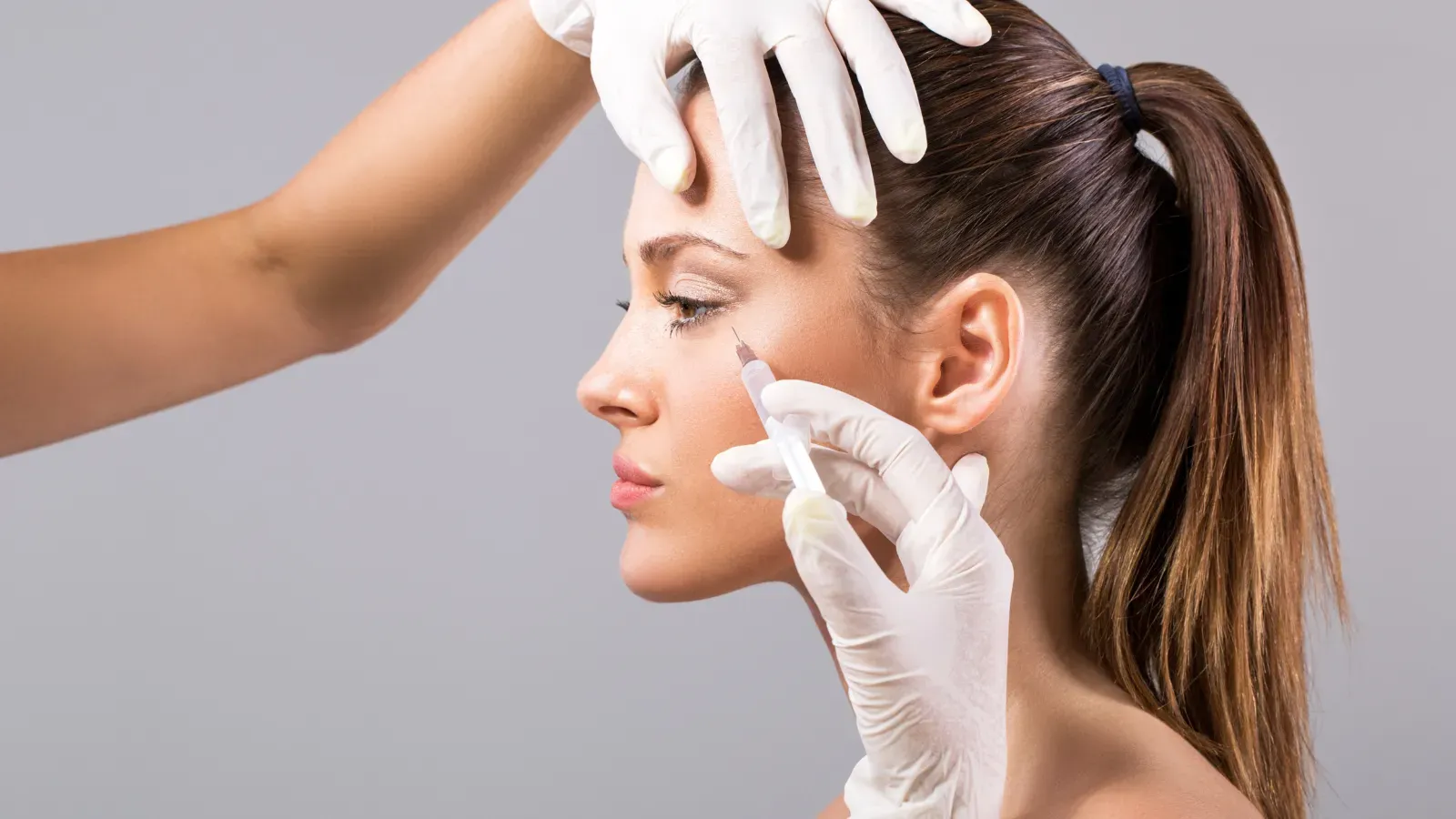
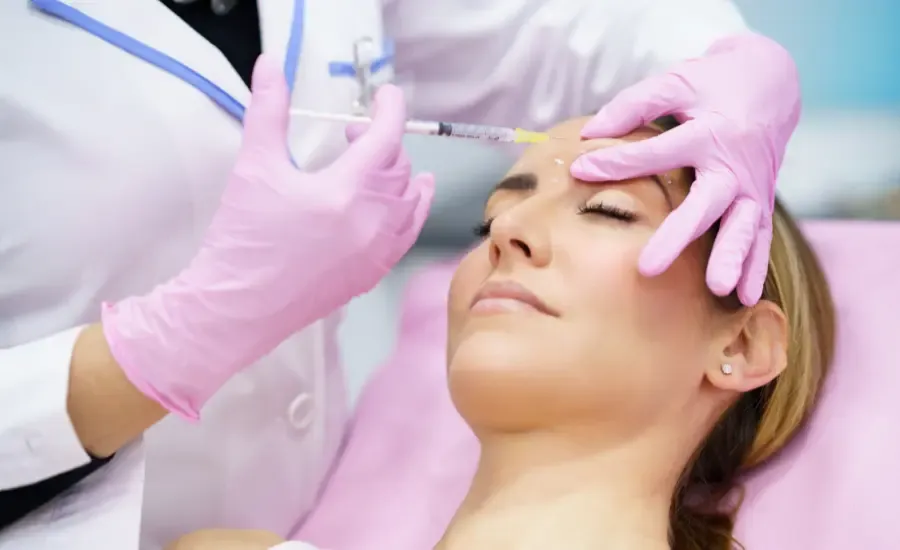
The appointment lasted less than ten minutes from the moment the alcohol swab touched my brow. The practitioner moved with practiced speed, administering six sharp pinches across the forehead and between the eyes that felt like quick bee stings, accompanied by the faint crunching sound of fluid entering the upper tissue. She issued the usual sensible instructions to stay upright for the rest of the afternoon and avoid hot showers until morning, handing over a payment slip that equaled the cost of groceries for an entire month.
Two weeks later, the physical transformation was complete. The brow had settled into complete, unbroken stillness, remaining placid even when irritation or surprise would normally draw the eyebrows together into a tight knot. The weary, strained expression that had begun to define my thirties simply vanished, replaced by an expansive smoothness that caught the morning light with clean uniformity. Friends and acquaintances remarked that I seemed exceptionally well-rested, speculating that a new moisturizer or an extra hour of rest was responsible for the change. Everyone appreciated the finished look, yet the polite fiction of the interaction required attributing the result to generic wellness rather than medical precision.
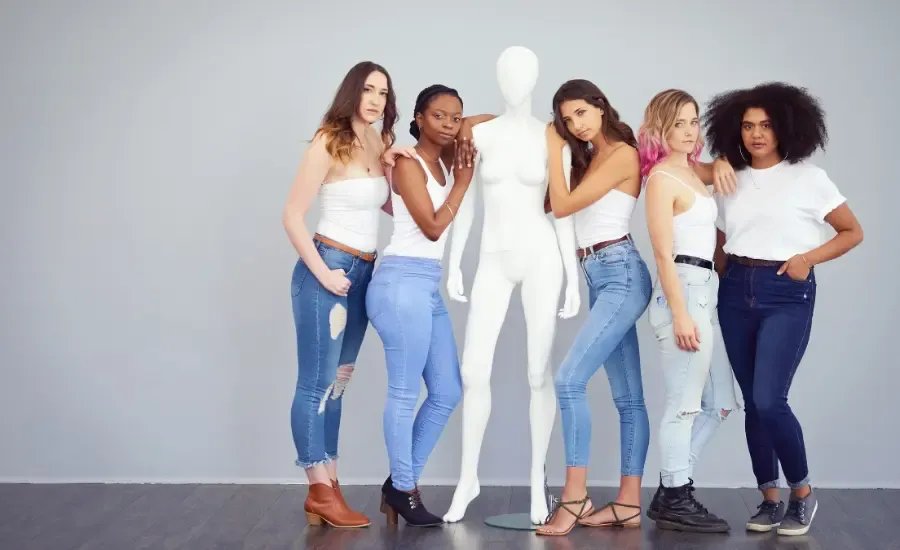
That unwritten expectation defines the current double standard surrounding female appearance. Society expects women to present smooth, line-free skin that defies the natural accumulation of years, while simultaneously demanding that the result appear effortlessly organic, achieved through drinking water and eating clean. Admitting to using needles invites immediate accusations of vanity or surrender to patriarchal pressure, forcing many to conceal simple grooming habits beneath the fashionable umbrella of emotional self-care just to avoid judgment.
The appointments continue on a steady schedule every five or six months, functioning as a regular line item in the personal budget alongside dental cleanings, haircuts, and car insurance. Watching tailored makeup glide over a flat brow without settling into crevices provides genuine satisfaction, and looking in the mirror without seeing the physical tally of daily stress brings a quiet, practical pleasure. Refusing to dress that transaction up in therapeutic jargon keeps the choice honest and grounded. Choosing to alter one’s appearance remains a personal, self-funded decision that requires no higher philosophical justification, leaving the syringe as exactly what it has always been: a clever tool of modern chemistry that trades cold cash for smooth skin.