The lifecycle of a fashion trend used to be measured in decades, then years, and eventually seasons. Today, under the steady churn of social media algorithms, it is measured in weeks.
We have cycled through "quiet luxury," "mob wife," "tomato girl," and "office siren" at a pace that feels less like cultural evolution and more like consumer fatigue. Every few days, algorithmic feeds invent a new aesthetic label designed to convince you that the clothes in your closet are suddenly obsolete.
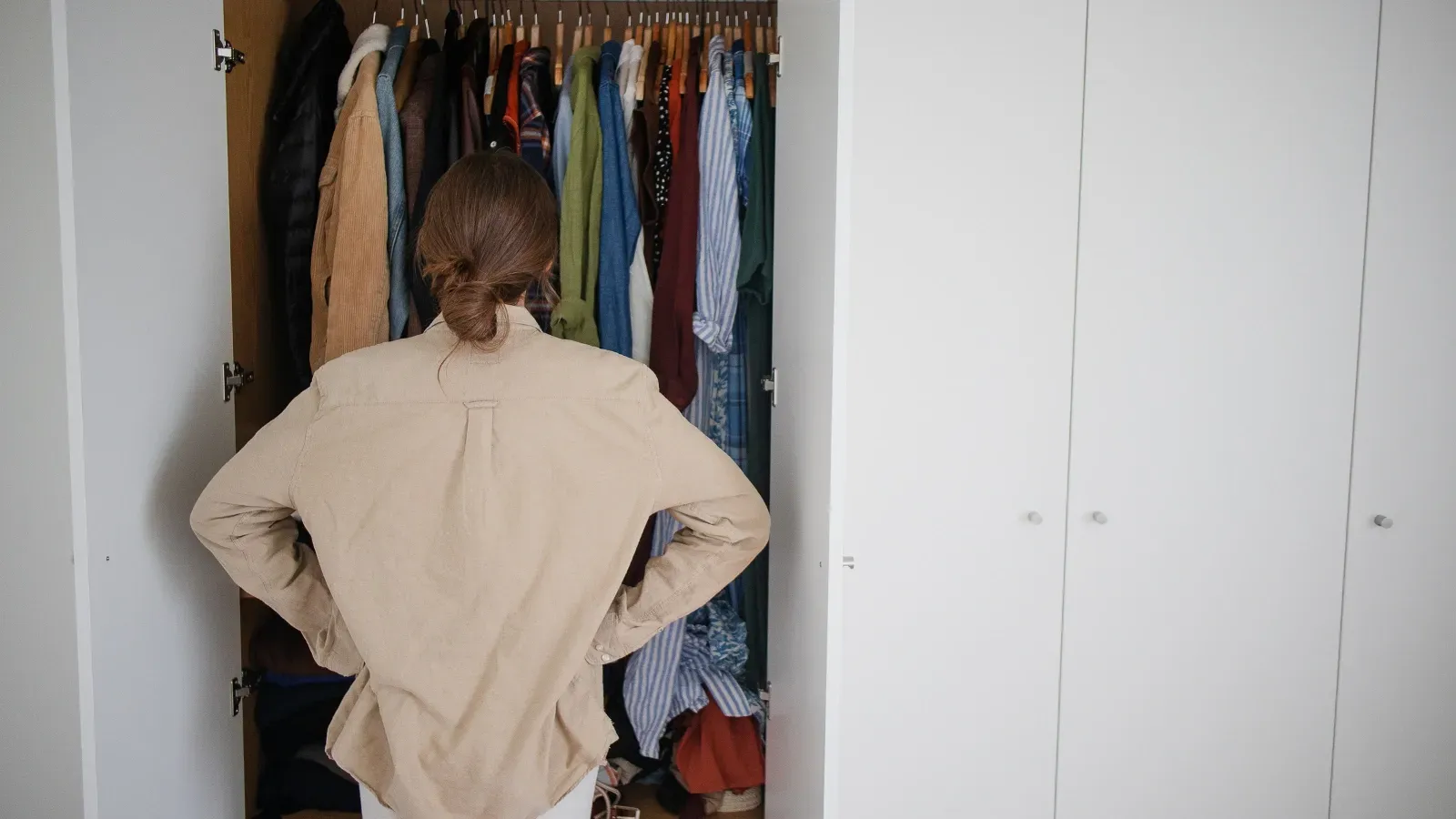
The result isn't better personal style; it's wardrobe paralysis. When everything is viral, nothing is timeless.
Building a style that survives this constant cycle requires stepping out of the algorithm entirely. It means moving away from impulse curation and toward intentional, architectural dressing. Here is how to build an anti-trend wardrobe that actually lasts.
The Illusion of the "Micro-Trend"
The proliferation of micro-trends isn't about self-expression; it's a supply chain strategy. Fast-fashion platforms thrive on rapid aesthetic turnover because it creates an artificial sense of urgency.
When you buy into a micro-trend, it’s not the style you’re purchasing; basically, you are purchasing a temporary membership to a digital subculture. Within two months, when the algorithm shifts focus, those items lose their cultural currency and end up at the back of your closet (or in a landfill).
True personal style operates on a completely different metric. It relies on consistency, proportion, and the quiet confidence of a personal uniform.
1. The Uniform Principle: Eliminating Decision Fatigue
The most stylish women in history rarely reinvented their look every season. They developed a signature silhouette and refined it over decades.
Developing a personal uniform isn't about being boring; it's about eliminating decision fatigue. Whether it's a tailored wide-leg trouser paired with a crisp poplin shirt, or a structured blazer over high-quality knitwear, having 2–3 reliable core formulas ensures you always look composed without spending twenty minutes staring at a full closet.
Identify your anchor pieces: What silhouettes make you feel most capable and comfortable? Focus on those, not what’s currently trending on your feed.
Repeat endlessly: A great outfit doesn't lose value because you wore it twice in the same week. Consistency is the hallmark of real style.
2. Prioritize Texture and Structure Over Brand Names
When a garment looks expensive, it’s rarely because of a visible logo. It’s almost always due to two factors: fabric composition and structural integrity.
Synthetics like polyester and acrylic tend to lose their shape, pill quickly, and trap heat. Natural fibers—such as heavy linen, organic cotton, silk, and traceable wool—age gracefully and hold their drape over time.
Inspect the weight: High-quality fabrics have weight and body. A structured blazer should hold its shoulders without collapsing; a linen shirt should feel crisp, not paper-thin.
Focus on tailoring: A $100 trouser tailored precisely to your proportions will always look better than a $1,000 pair that bunches at the ankles.
3. The 72-Hour Rule for Impulse Purchases
Algorithm-driven shopping relies on instant gratification. You see an item styled seamlessly in a 15-second video, click the tagged link, and purchase it before your brain evaluates its actual utility in your daily life.
To break this loop, implement a mandatory 72-hour pause on all non-essential clothing purchases.
Ask yourself three specific questions before checking out:
Can I style this item with at least four things already in my closet?
Would I wear this if I couldn't post a picture of it?
Will this piece make sense for my lifestyle three years from today?
If the answer to any of these is no, close the tab.
4. Invest in the "Invisible" Upgrades
The difference between looking thrown-together and looking impeccably polished often comes down to the details that aren't immediately obvious:
Footwear with clean lines: Ditch overly embellished, seasonal shoes for sleek, leather loafers, minimal pointed flats, or classic leather boots.
Quality outerwear: A well-cut trench coat or a tailored wool coat immediately elevates whatever you're wearing underneath.
Minimalist leather goods: Smooth, unbranded leather bags with clean hardware outlast heavily logod trend bags every single time.
Style is not something you buy every season; it’s something you curate over a lifetime. Disconnecting from algorithm-driven aesthetics isn't just better for your wallet, it's the only way to figure out what you actually like.