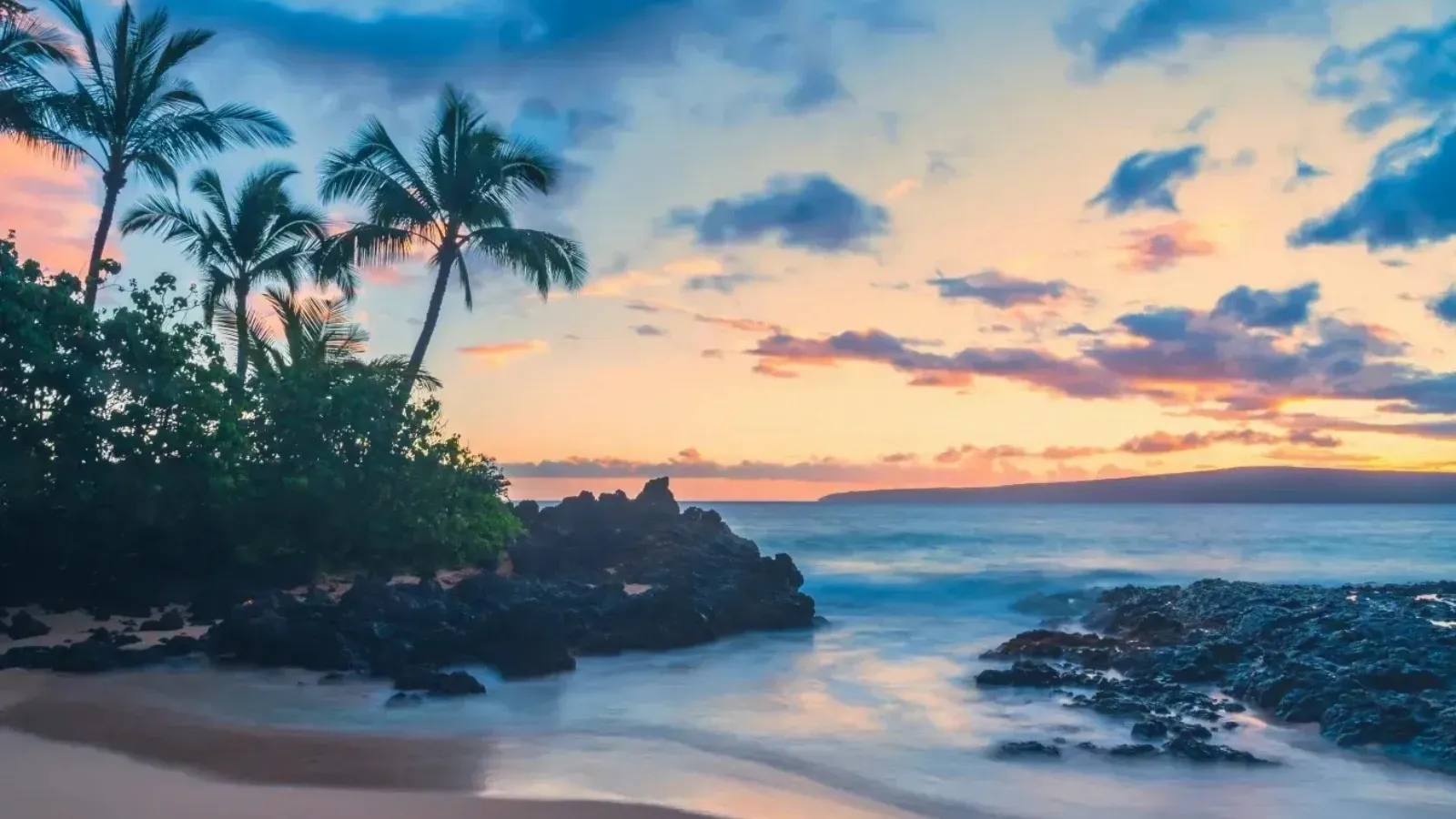
There is a distinct physical shift that occurs the moment you step onto the tarmac in Honolulu, where the air hangs thick with salt, red dirt, and crushed plumeria. It is an immediate sensory confrontation with geography that forces your nervous system to downshift before you have even cleared baggage claim.
For decades, mainland travelers and leisure purists have tended to dismiss O’ahu as the overbuilt, commercial casualty of the Hawaiian archipelago, pointing to the glittering high-rises and luxury storefronts lining Kalakaua Avenue as evidence of an island that traded its soul for convenience. Yet that critique almost always stems from visitors who never ventured beyond the manicured perimeter of Waikiki. To treat O’ahu merely as a resort strip is to misunderstand its rare position in the Pacific: a singular tension between a dense, historically layered metropolis and some of the most untamed volcanic landscapes in the world.
The Geography of Two Coasts
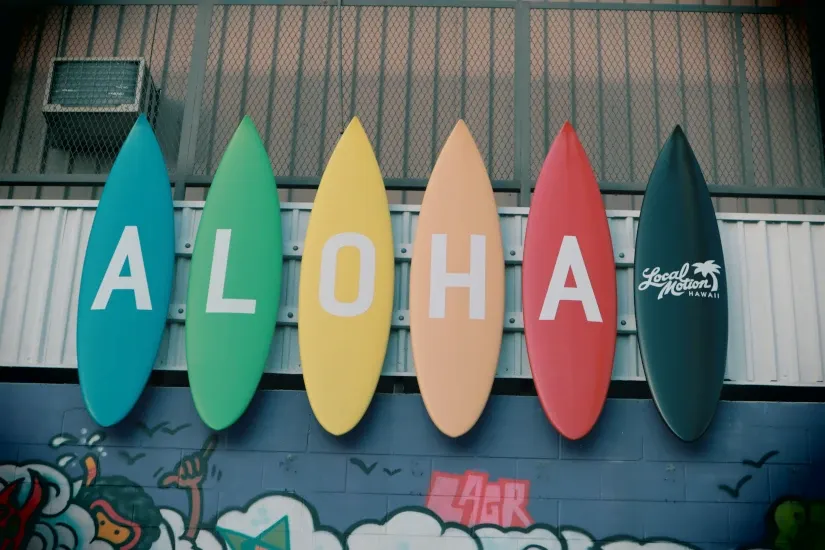
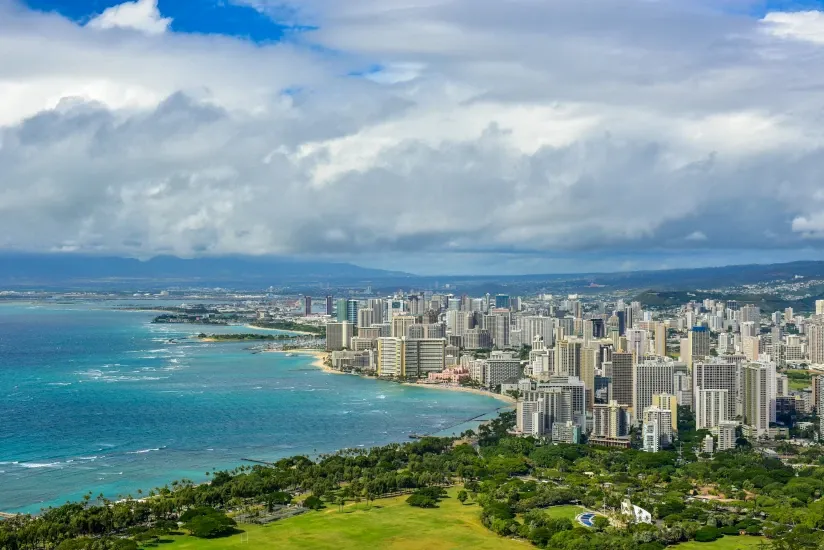
Navigating O’ahu with any degree of nuance requires an understanding of its competing topographies and microclimates. The south coast is anchored by Honolulu, an energetic capital where mid-century concrete architecture sits within arm’s reach of peeling reef breaks. While Waikiki is undeniably congested with sunbathers and catamaran tours, its historic surf culture remains genuine. Longboarders still glide across the rolling swells at Queens and Canoes just as Duke Kahanamoku and the original beach boys did a century ago, creating a visual rhythm where the modern skyline blurs into turquoise water.
Cross the island through the Pali tunnels, and the scenery drops away into the sheer, emerald fluting of the Koʻolau mountain range, marking your arrival on the windward coast. Here, the trade winds blow steadily across Lanikai, a quiet crescent of sand tucked behind a residential enclave in Kailua. Arriving just after daybreak is essential not only to secure a space along the narrow neighborhood roads but also to catch the water before the afternoon chop disrupts its clarity. Looking out across the pale turquoise shallows toward the twin islets of the Mokuluas, the scene feels completely detached from the city's urban pace, left thirty minutes behind.
Preserved History and Marine Sanctuaries
Farther south along the curved crater rim lies Hanauma Bay, an ancient volcanic caldera now flooded by the ocean. Decades of unmitigated foot traffic nearly compromised the bay, but strict conservation policies, required reservations, and mandatory educational orientations have begun to nurse the marine reserve back to health. Gliding above the inner coral shelves early in the morning reveals schools of convict tangs, parrotfish, and green sea turtles feeding along the contours of the reef in relative quiet.
Yet the island’s intellectual and historical core does not reside in the surf; it rests in downtown Honolulu at ʻIolani Palace. Completed in 1882 under King Kalākaua, it stands as the only royal residence on American soil, executed in an ornate American-Florentine style featuring native koa-wood staircases and European crystal chandeliers. Walking through the quiet corridors offers an unvarnished lesson in political history that standard resort itineraries tend to erase, confronting visitors with the systematic overthrow of Queen Liliʻuokalani and the Hawaiian Kingdom in 1893.
A short drive west brings you to Pearl Harbor, where the memorial hovering above the sunken hull of the USS Arizona commands an equally sober presence. Looking down into the harbor water, one can still observe the dark drops of oil—often referred to as black tears—that seep to the surface more than eight decades after the attack, leaving an iridescent, shifting film upon the water.
The Seasonal Rhythm of the North Shore
To reset the senses, take the central highway north through the plateau, watching the urban grid yield to rolling red clay fields and stands of wild grass before descending upon the North Shore. Centered around the preserved wooden plantation town of Haleʻiwa, this coastline operates under its own seasonal laws.
During the winter months, colossal north Pacific swells turn the reefs at Waimea Bay and the Banzai Pipeline into thunderous coliseums that draw the world's most elite watermen. In the late-summer months, however, the massive waves subside into glass-flat sheets of water, leaving behind roadside fruit stands, low-slung galleries, and empty sandy coves where the salt mist settles quietly over the asphalt.
The Culinary Heritage of the Plantations
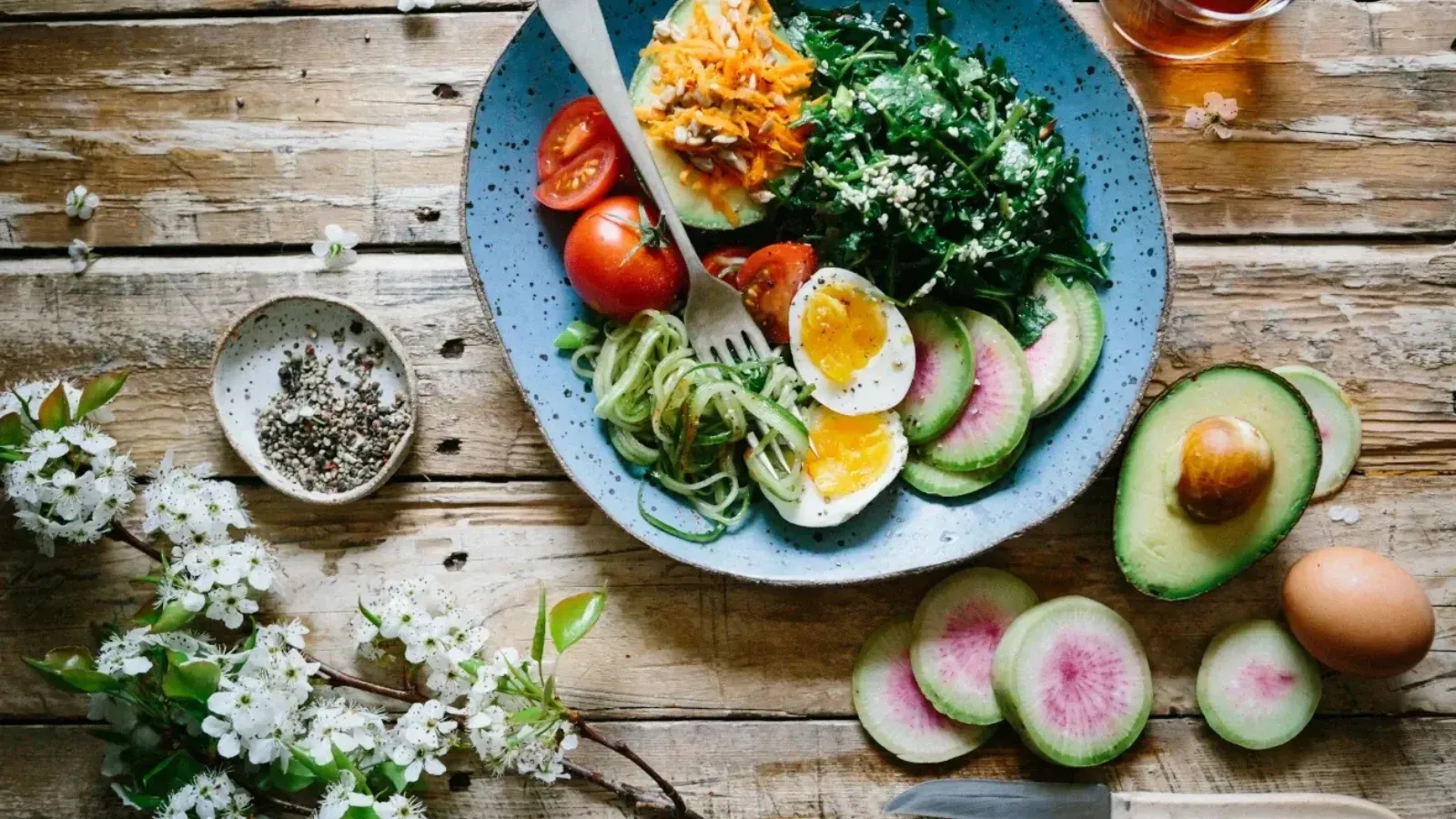
Eating well on O’ahu is an exercise in tracing the island’s layered migration history, where native Polynesian traditions meet the culinary habits of Chinese, Japanese, Filipino, and Portuguese laborers who staffed the sugarcane fields. Avoid the generic hotel buffets and seek out neighborhood counters for genuine poke, where pristine cuts of yellowfin ahi are tossed simply with shoyu, sesame oil, and crunchy ogo seaweed.
An authentic plate of kalua pork, slow-steamed in an earthen imu until smoky and tender, pairs well with lomi salmon and poi, balancing richness with starch and acidity. Finish an afternoon on the coast with a bowl of fine shave ice topped with sweet condensed milk, or hot malasadas rolled in cinnamon sugar straight from the fryer, eaten while the afternoon trade winds begin to cool the sand.
O’ahu ultimately rewards those who resist the impulse to treat it like a passive resort stay. When approached with curiosity and respect for its living culture, it reveals itself as an island of remarkable substance, where the wild pace of the Pacific still dictates how life unfolds.