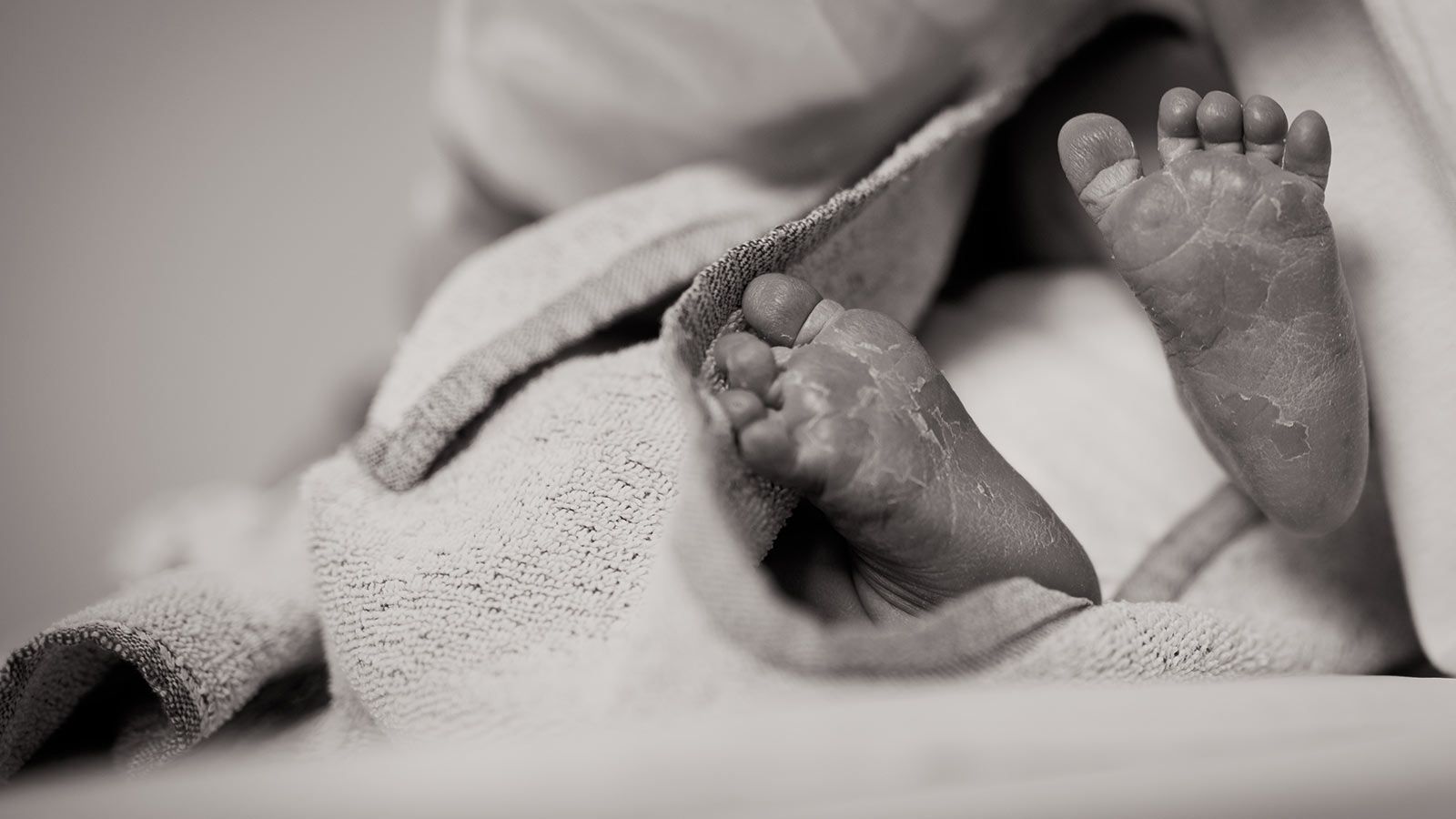
Across contemporary media feeds, the unassisted birth movement is curated through a lens of soft-focus domestic defiance. Short-form video platforms circulate candlelit living rooms, inflatable birth pools, and low, rhythmic breathing, framing the total refusal of medical and midwifery care as an act of primal sovereignty. The underlying narrative suggests that by severing ties with the hospital, a woman reclaims bodily authority from an assembly-line medical apparatus that treats birth as a pathology.
Dismissing this phenomenon as fringe internet narcissism overlooks the institutional failure that produced it. Freebirthing, the deliberate decision to deliver entirely alone without doctors, licensed midwives, or emergency monitoring, is at its root an ideological revolt against obstetric alienation. Over the past century, birth was moved out of the domestic sphere and into hospital wards. In exchange for genuine surgical safety and dramatic declines in perinatal mortality, the process was frequently stripped of dignity. Labor became something to manage on an institutional schedule, governed by liability protocols, routine interventions, and procedures performed with minimal regard for informed consent.
When a clinical system routinely dismisses maternal pain, ignores physical boundaries, and approaches a laboring patient primarily as a legal risk, systemic trust breaks down. Modern obstetrics created the precise estrangement it now laments. When hospital corridors feel coercive and cold, seeking an exit is an entirely rational human instinct.
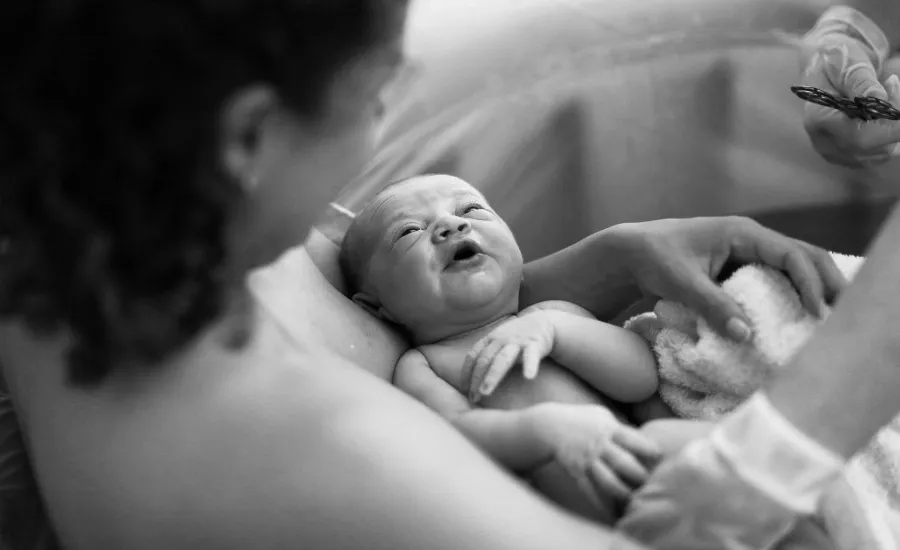
The freebirth movement, however, answers institutional overreach by constructing an equally perilous fiction: the dogma of biological infallibility.
Online forums strip birth of its complex, unpredictable anatomical reality, reframing it as an existential passage governed purely by mindset. Serious mechanical complications, such as shoulder dystocia, postpartum hemorrhage, cord prolapse, and cephalopelvic disproportion, are dismissed as clinical fabrications or blamed on emotional failure. Complications are treated as products of fear, lack of faith in the process, or negative outside energy.
This fatalistic romanticism confuses the absence of technology with organic safety. Nature remains evolutionary biology, entirely indifferent to individual survival. Perinatal outcomes did not improve over the last century because female pelvic anatomy evolved; they improved because medicine developed clean operating theaters, blood banks, antibiotics, and neonatal resuscitation protocols.
The central irony of modern unassisted birth is its profound isolation. Historically, giving birth outside of hospitals was never a solitary endeavor. It was an intensely communal effort supported by experienced attendants, family networks, and generational wisdom capable of recognizing acute distress. The digital movement isolates women within the four walls of their homes, reliant on social media threads and ideological validation while dealing with real-time biological crises. When a genuine emergency arises, the lack of trained hands turns manageable complications into devastating outcomes within minutes.
The answer to an impersonal medical establishment cannot be a retreat into hazardous denial. Women should never be forced to choose between clinical violation under fluorescent lights and unassisted vulnerability on a living room floor. True autonomy requires an obstetric landscape where normal physiology is respected, consent is absolute, and skilled medical intervention remains an unobtrusive safety net rather than an aggressive default. Demanding clinical excellence alongside basic human dignity is where real authority lies. Walking away from the safety net entirely is an ideological gamble with catastrophic costs.