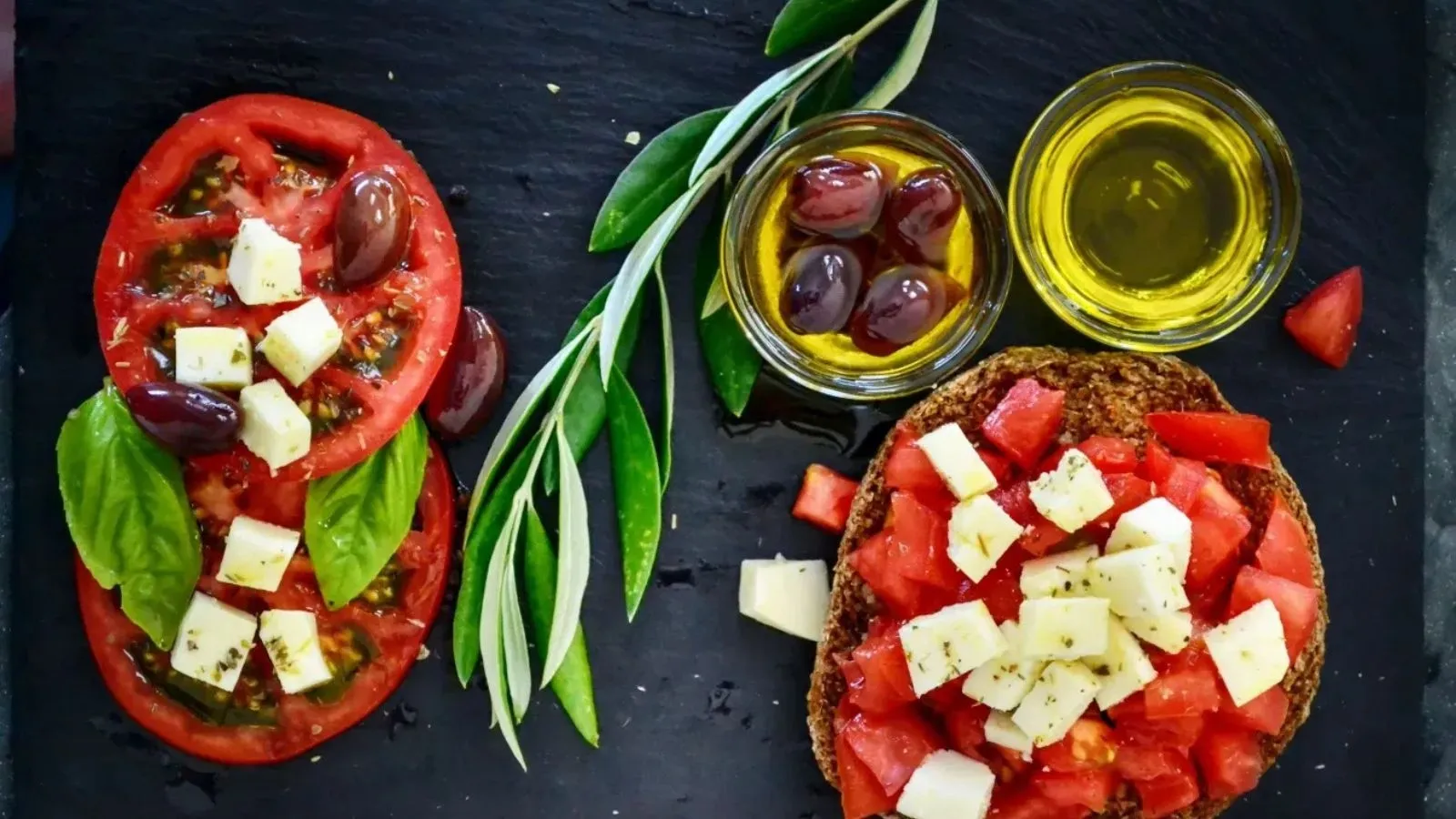

The beauty of Greek cooking isn't just in its flavor profile—it’s in its sheer architectural efficiency. The Mediterranean Diet is often reduced to a wellness buzzword, but at its core, it is a highly functional approach to food. It relies on a simple, unapologetic equation: high-quality ingredients, plenty of extra virgin olive oil, and the kind of robust structural integrity that makes a dish taste better on day three than it did on day one.
For a demanding schedule, this is the ultimate meal prep strategy. You do not need to compromise on flavor to save time. These six traditional Greek dishes are low in active prep time, yield substantial portions, and reheat flawlessly.
The Horiatiki (Traditional Greek Salad)
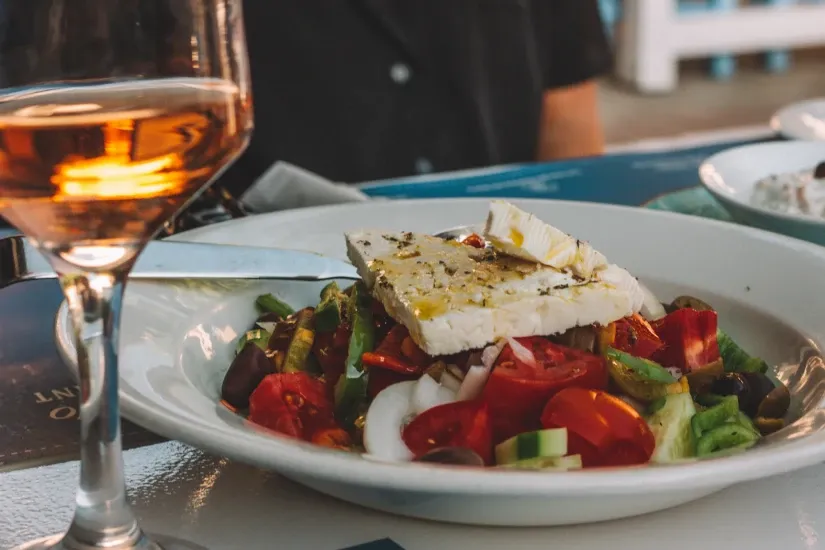
A proper Greek salad is a masterclass in acid, fat, and crunch—and notably, it contains absolutely no lettuce. It is a heavy, structural mix of crisp cucumbers, sharp onions, and tomatoes, anchored by a block of feta and heavily dressed in olive oil. Because there are no leafy greens to wilt, it survives beautifully in the fridge.
The Edit: Toss in a handful of cold penne pasta to transform it from a side dish into a substantial, standalone lunch.
Gemista (Stuffed Vegetables)
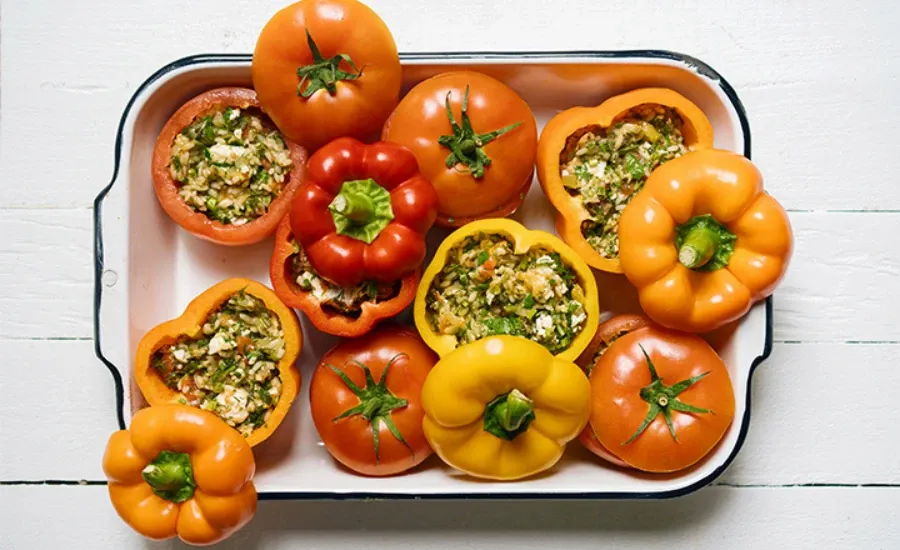
Gemista translates to "stuffed," taking hollowed-out summer produce—tomatoes, bell peppers, and zucchini—and using them as vessels for a rich, herbaceous mix of rice and ground beef. This is the definition of high-yield cooking. The vegetables braise in their own juices and olive oil, resulting in a dish where the flavors meld and deepen overnight. It is arguably better eaten cold or at room temperature the next day.
Pastitsio (Greek Baked Pasta)
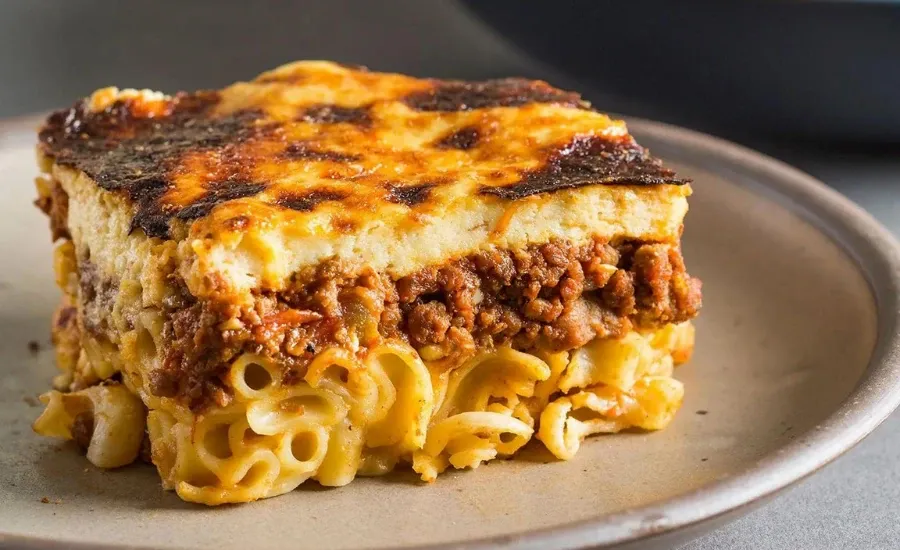
If you appreciate the comfort of a lasagna, Pastitsio is the elevated, tightly structured alternative. It is built in three distinct layers: a base of thick, tubular pasta, a middle of warmly spiced meat sauce (heavy on the clove and cinnamon), and a thick, bronzed béchamel crown. Because it is baked into a solid casserole, it cuts into perfect, sharply defined squares that are incredibly easy to pack for the office.
Spanakopita (Spinach and Feta Pie)
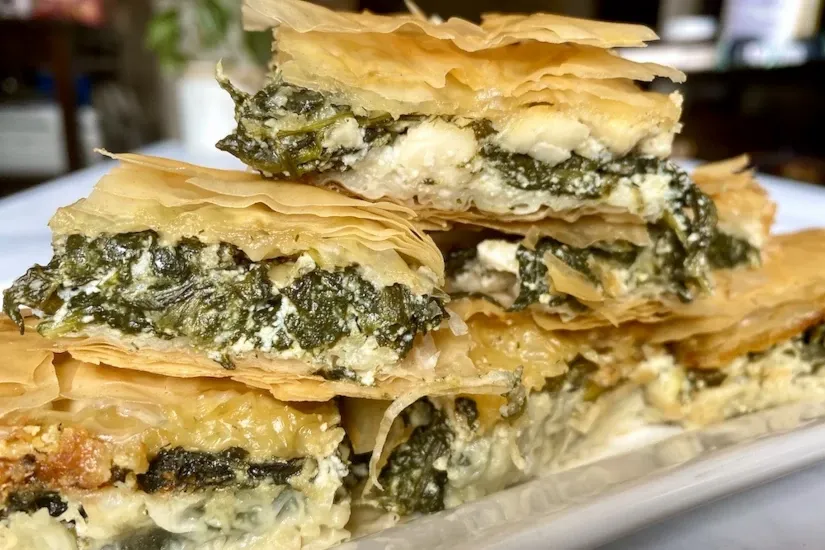
Spanakopita is an exercise in texture. The contrast between the shatteringly crisp layers of phyllo dough and the dense, earthy filling of spinach, dill, and sharp feta is unparalleled. It functions perfectly as a savory breakfast, a light lunch alongside a salad, or a mid-afternoon holdover. Bake a large pan on Sunday, cut it into squares, and you have a transportable meal for the entire week.
Kotopoulo Lemonato (Lemon Garlic Chicken and Potatoes)
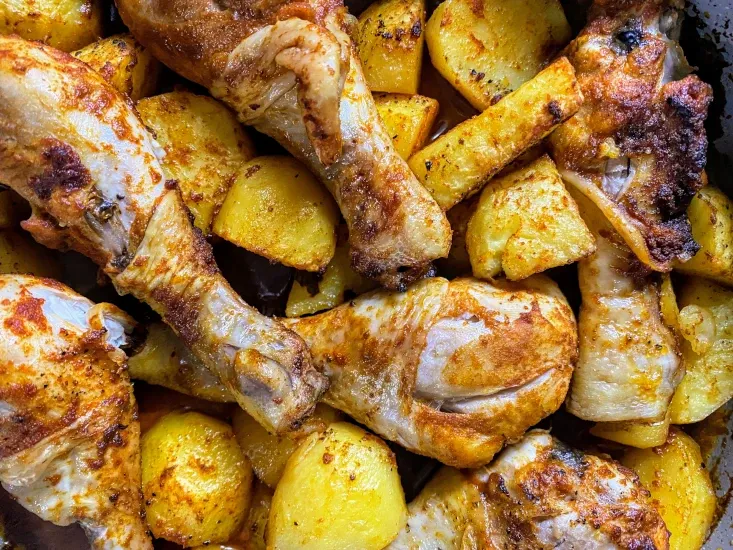
This is the workhorse of the Greek kitchen. The active prep time is under ten minutes, letting the oven do the heavy lifting. The brilliance of this dish lies in the potatoes, which roast slowly in a pool of chicken juices, sharp lemon, garlic, and olive oil until they are deeply savory and meltingly soft. It is an effortless, high-protein staple that reheats without drying out.
6. Tzatziki
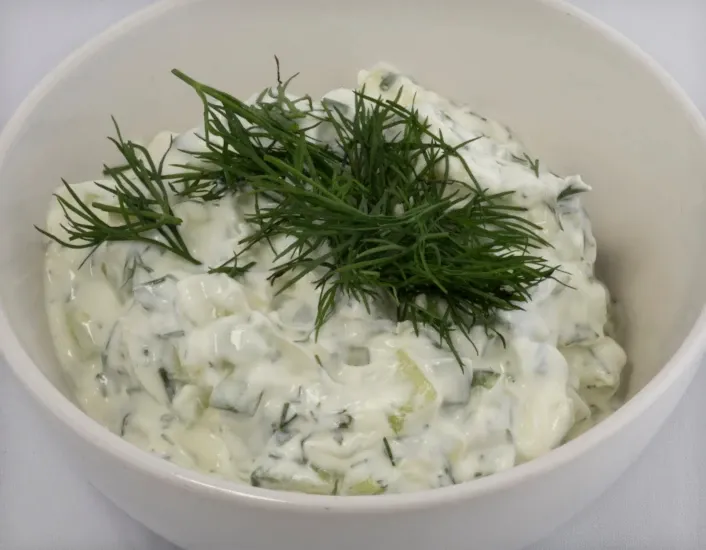
Tzatziki is not just a dip; it is a functional, high-protein utility condiment. A sharp, heavily garlicky mix of strained Greek yogurt, cucumber, and vinegar, it cuts through the richness of roasted meats and elevates plain vegetables. It takes exactly five minutes to assemble and keeps in the fridge for days, serving as the perfect acid to balance your week's meal prep.
Rethinking the Tupperware
Ultimately, successful meal prep should never feel like an exercise in deprivation. The standard routine of sad, steamed chicken breasts and plain brown rice is a failure of culinary imagination.
The Greek approach to cooking proves that convenience and high-quality food are not mutually exclusive. These recipes were designed for longevity, built to sit in a fridge and taste better the next day. By rotating these six classics into your weekly schedule, you are not just saving hours of weekday cooking—you are completely upgrading your standard of living. Eat well, reclaim your time, and leave the sad desk lunches behind.